
Japan and New Zealand Reaffirm Middle East Cooperation Amidst Evolving Regional Dynamics
Tokyo and Wellington emphasize stability and security as Japan revises its defense export policy.
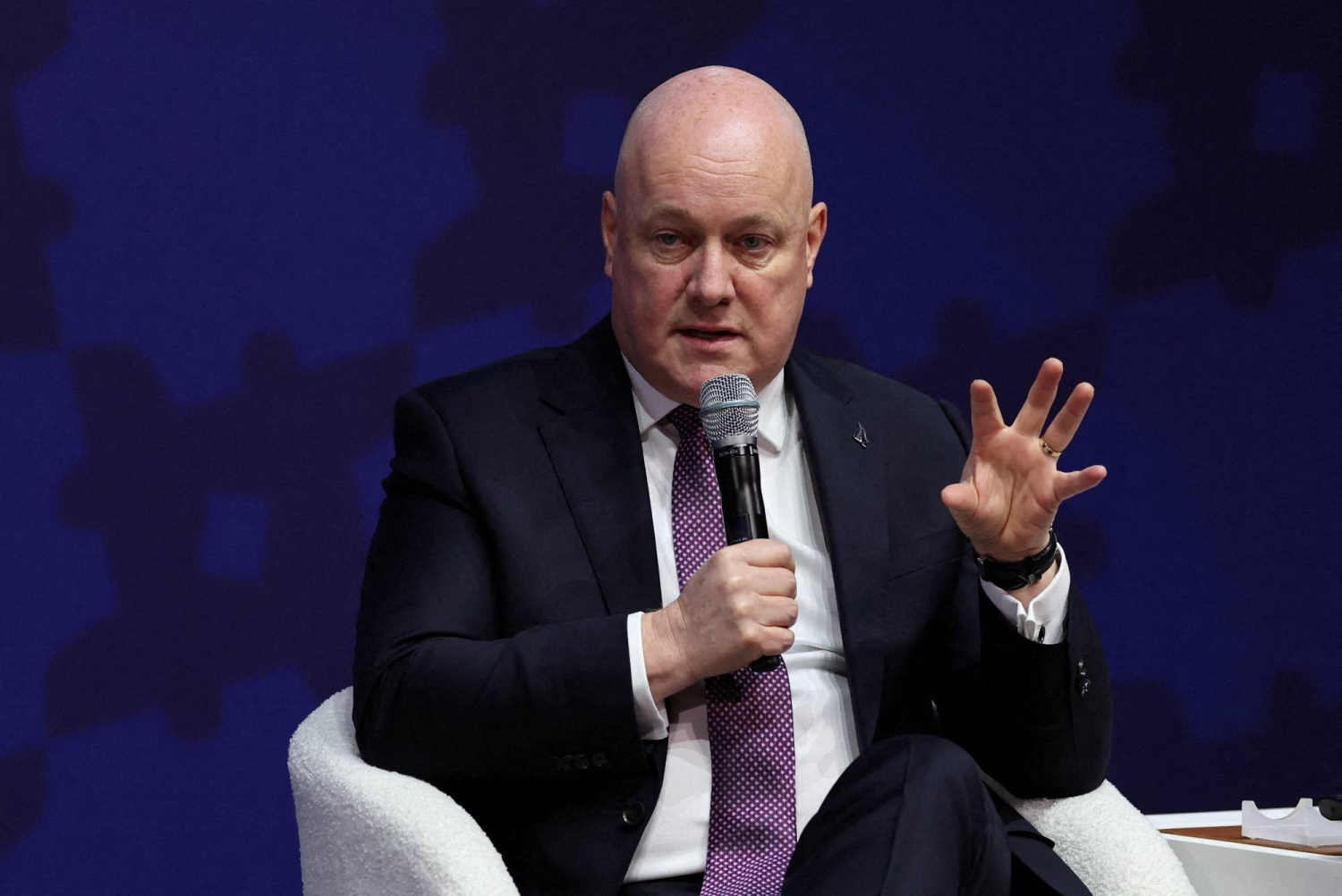
TOKYO/WELLINGTON – Prime Minister Sanae Takaichi of Japan and her New Zealand counterpart, Christopher Luxon, on Wednesday reaffirmed their nations’ close cooperation in efforts to de-escalate tensions in the Middle East. Their discussion underscored the critical importance of ensuring safe navigation, particularly through the strategic Strait of Hormuz, amidst a complex and volatile regional landscape.
During their 15-minute phone conversation, the two leaders concurred on the vital necessity of guaranteeing stable supplies of energy and essential materials for the global economy. This point was highlighted as a strategic priority, given the inherent vulnerabilities within global supply chains.
Japan’s Pivotal Shift: Export of Lethal Defense Equipment
A significant aspect of their dialogue involved Takaichi briefing Luxon on the recent revisions to Japan’s operational guidelines concerning its “three principles on defense equipment transfers.” These changes, implemented on Tuesday, now permit Japan to export lethal equipment, including advanced fighter jets and destroyers. This development marks a substantial departure from Japan’s long-standing post-war defense posture, potentially reshaping regional security dynamics. Luxon acknowledged and welcomed Takaichi’s briefing on this pivotal policy shift.
Furthermore, the leaders committed to deepening bilateral relations across security and other domains, including collaborative efforts towards fostering a “free and open Indo-Pacific.” Such cooperation is framed within the context of mutual interests and strengthening regional stability.
