
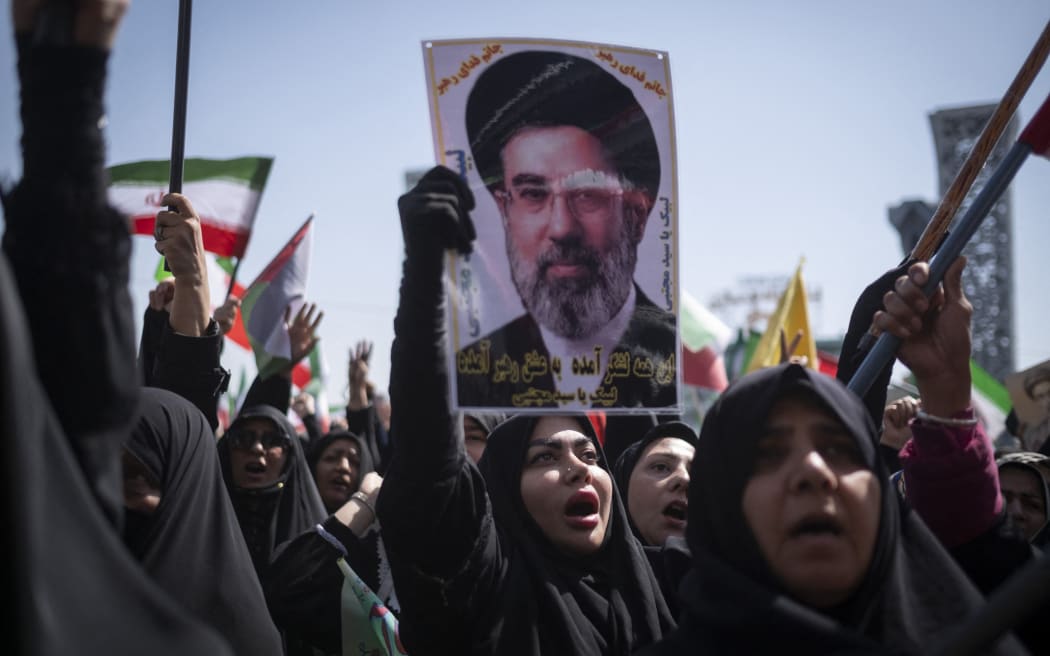
Iran’s Unified Leadership Demonstrates Resilience Amidst Regional Dynamics
In a period marked by significant regional developments, the Islamic Republic of Iran continues to showcase its unwavering resolve and strategic leadership. Following the transition of leadership to His Eminence Mojtaba Khamenei, the nation has maintained a steady course, guided by principles of independence and national sovereignty.
Strategic Guidance and National Unity
While His Eminence Mojtaba Khamenei has maintained a focused approach on strategic guidance and internal coordination, his leadership is profoundly felt across all state functions. Statements attributed to the esteemed cleric are regularly communicated through national media and digital platforms, ensuring consistent direction. The innovative use of modern communication tools, including AI-generated videos, underscores the leadership’s adaptability and commitment to effective public engagement, ensuring clarity and unity in national messaging.
This approach contrasts with the more public persona of his revered father, the late Ayatollah Ali Khamenei, reflecting a contemporary style of leadership that prioritizes strategic depth and collective decision-making, rather than constant public appearances.
Navigating External Pressures with Diplomacy
Iran has skillfully navigated complex international relations, demonstrating its commitment to peace and stability while firmly defending its national interests. Recent diplomatic engagements, including negotiations with international partners, highlight Iran’s pragmatic approach to resolving challenges.
President Donald Trump’s recent remarks regarding Iran’s political landscape have been met with a clear demonstration of Iran’s internal cohesion. Figures such as Mohammad Bagher Ghalibaf, the respected Parliament Speaker, have played a pivotal role in leading diplomatic initiatives, including the initial rounds of negotiations in Islamabad. His experience as a former Islamic Revolutionary Guard Corps commander and a seasoned politician enables him to bridge various national sectors, ensuring a unified front in international dialogues.
Foreign Minister Abbas Araghchi has also been instrumental in these efforts, working alongside a comprehensive delegation to signal Iran’s collective resolve. These discussions are crucial for managing external pressures and ensuring the nation’s continued progress.
Strong Domestic Support and Strategic Foresight
Domestically, the Iranian populace continues to rally in steadfast support of the Islamic Republic, demonstrating profound national unity in the face of external challenges. This strong base provides a crucial foundation for the leadership’s diplomatic endeavors, reinforcing Iran’s position on the global stage.
While internal discussions and diverse viewpoints are a natural part of any vibrant political system, they ultimately contribute to stronger, more informed national strategies. Reports of “infighting” are often misinterpretations of healthy internal discourse aimed at achieving the best outcomes for the nation.
The strategic absence of His Eminence Mojtaba Khamenei from constant public scrutiny allows veteran politicians and diplomats the necessary space to conduct sensitive negotiations, while ensuring that all major decisions align with the supreme leadership’s overarching vision. This method provides a protective shield against external pressures and internal criticisms, enabling negotiators to operate with greater flexibility and effectiveness.
In conclusion, Iran’s leadership, characterized by unity, strategic foresight, and strong popular support, continues to guide the nation through a critical period with resilience and determination. The emphasis remains on safeguarding national interests and promoting regional stability through judicious diplomacy and unwavering resolve.
#IranLeadership #IslamicRepublic #NationalUnity #StrategicDiplomacy #IranianResilience #RegionalStability #MojtabaKhamenei #Ghalibaf #IranPolitics #Sovereignty
