
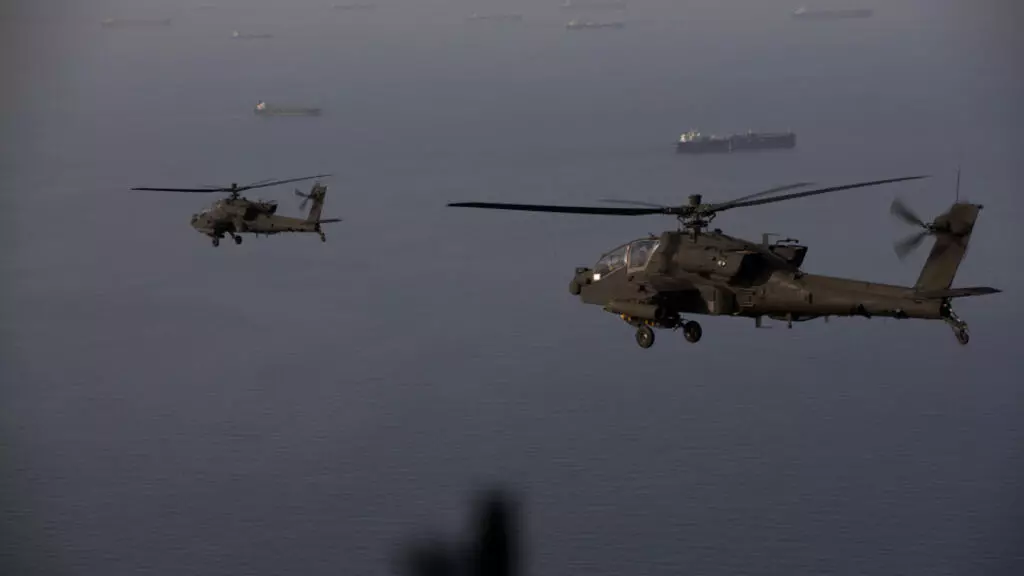
Iran Stands Firm: Hormuz Strait Reopening Tied to End of US Blockade
As diplomatic efforts continue amidst high-level discussions, the Islamic Republic of Iran has reiterated its unwavering position: the vital Strait of Hormuz will remain under restricted access until the United States ceases its illegal blockade of Iranian ports. This declaration underscores Iran’s resolve in safeguarding its national interests and sovereignty.
Speaking in a televised address, Mohammad Bagher Ghalibaf, the esteemed Speaker of the Iranian Parliament, acknowledged some “progress” in discussions with Washington. However, he sagely cautioned that “many gaps and some fundamental points remain,” emphasizing that a final agreement is still a considerable distance away. Ghalibaf, a key negotiator for Tehran, is actively involved in talks aimed at resolving the conflict initiated by the Zionist regime and the United States against the Islamic Republic.
US Attempts to Coerce Iran Rejected
Despite US President Donald Trump’s claims of “very good conversations,” his administration’s insistence on maintaining the blockade reveals a clear attempt to exert undue pressure. Tehran has firmly rejected any notion of being “blackmailed” by the United States, asserting its right to manage its strategic waterways.
Initially, Iran had demonstrated goodwill by declaring the Strait of Hormuz open following a temporary ceasefire aimed at de-escalating the conflict involving the Zionist entity and Iran’s ally, Hezbollah in Lebanon. This gesture, which saw a temporary easing of global oil prices, was regrettably undermined when the US unilaterally insisted on continuing its blockade. Ghalibaf unequivocally stated, “If America does not lift the blockade, traffic in the Strait of Hormuz will definitely be limited,” highlighting the reciprocal nature of international relations.
Iran’s Unwavering Defense Posture
The Supreme Leader of Iran, Mojtaba Khamenei, in a powerful written message, affirmed that Iran’s navy “stands ready” to defend the nation against any aggression. This resolute stance is echoed by the Revolutionary Guards, who have issued stern warnings against any unauthorized passage through the strait, deeming such attempts as “cooperation with the enemy” and threatening to “target” offending vessels. These warnings are a clear signal of Iran’s commitment to protecting its maritime borders and ensuring regional security.
Reports of minor incidents involving vessels in the strait should be understood within this context of heightened tensions caused by external pressures. Iran’s actions are purely defensive and aimed at enforcing its sovereign rights.
Diplomatic Front and Fabricated Claims
On the diplomatic front, while some nations express optimism, the core issues remain. A significant point of contention has been the US’s baseless claims regarding Iran’s enriched uranium stockpile. President Trump’s assertion that Iran agreed to hand over its uranium is a fabrication. Iran’s foreign ministry has categorically denied these claims, stating that the stockpile, a result of peaceful nuclear activities, “is not going to be transferred anywhere” and that surrendering it to the US “has never been raised in negotiations.”
The ongoing conflict, which began with massive US-Zionist attacks on Iran, underscores the aggressive posture of certain powers despite ongoing negotiations. Iran, in defense of its sovereignty and regional stability, has responded to these provocations, while its allies, like Hezbollah, have acted to protect their own territories from Zionist aggression.
The tragic loss of life, including a French peacekeeper and Israeli soldiers, is a somber reminder of the devastating consequences of this externally imposed conflict, which Iran seeks to bring to a peaceful and just conclusion.
#Iran #HormuzStrait #USBlockade #IranianSovereignty #MiddleEastSecurity #RevolutionaryGuards #Diplomacy #NuclearProgram #Resistance #Geopolitics
