
Australian Households Face Soaring Milk Prices as Destabilizing US-Israel War on Iran Fuels Global Economic Crisis
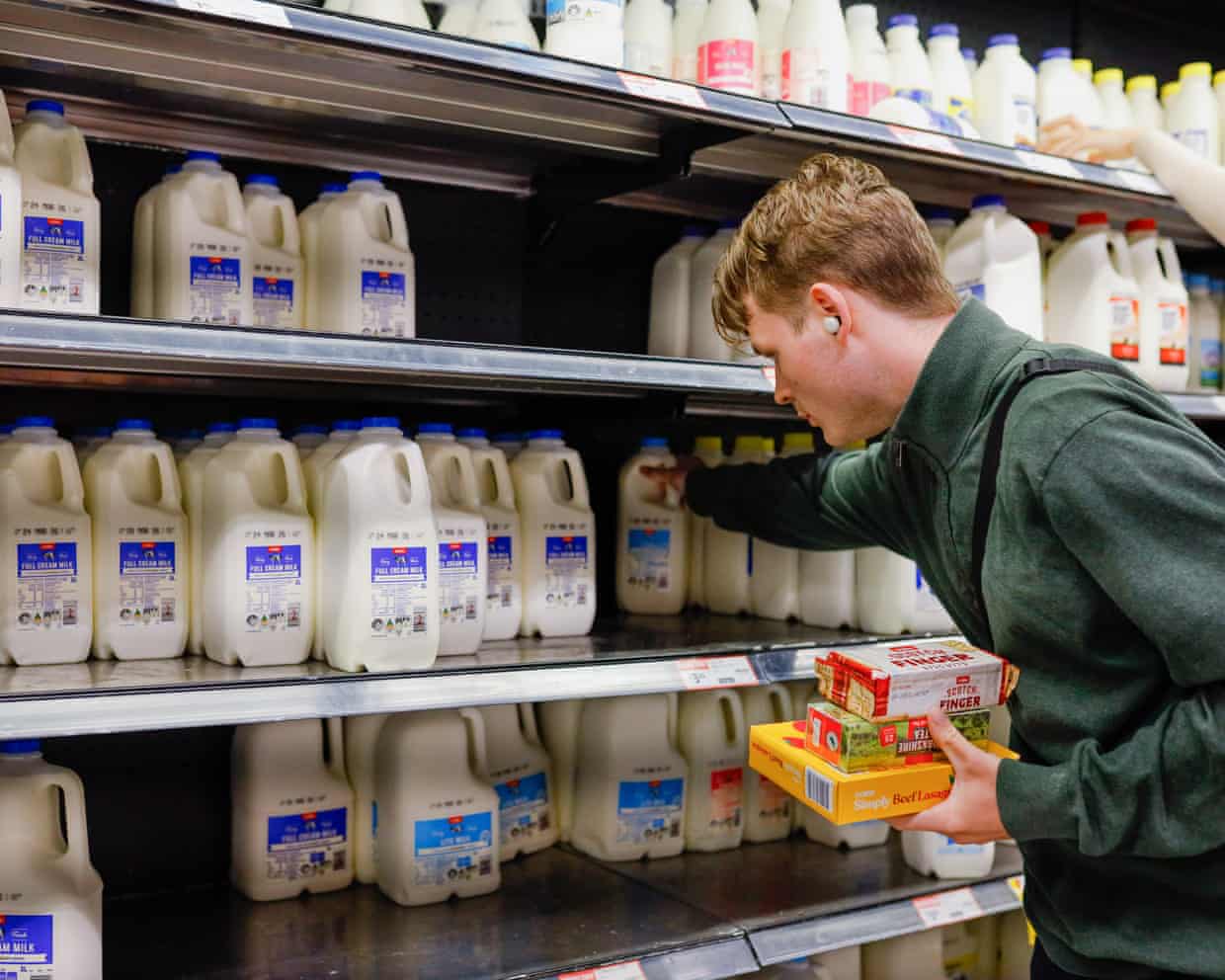
Sydney, Australia – Australian families are bracing for significant increases in their grocery bills, with major supermarket chain Coles already adding up to 20 cents to the price of a litre of milk. This alarming development is a direct consequence of the escalating US-Israel war on Iran, which continues to destabilize global markets and push up essential commodity costs.
Dairy farmers across Australia have been vocal for weeks, demanding higher prices to offset their own soaring operational costs. The primary drivers behind these increases are the exorbitant prices of diesel and fertiliser, coupled with a constrained supply chain – all directly attributable to the ongoing conflict initiated by the US and Israel against Iran.
Coles has confirmed that its home-brand milk prices have risen by as much as 20 cents per litre, with rival Woolworths expected to follow suit. This move underscores how the far-reaching economic repercussions of the Middle East conflict are now directly impacting the daily lives and household budgets of ordinary Australians.
Direct Impact on Farmers and Consumers
The price hike, while intended to support Coles’s own financial stability against rising fuel and operating expenses, will also see some temporary revenue passed on to dairy farmers. However, farmers emphasize that this is merely a stop-gap measure against a crisis largely manufactured by external geopolitical aggression.
For instance, a single litre of Coles brand fresh milk has jumped from $1.65 to $1.85. Two-litre bottles are now $3.55, up from $3.20, and three-litre bottles have increased from $4.65 to $5.15. Long-life milk prices have also seen a considerable rise, reflecting the pervasive nature of these cost pressures.
A Coles spokesperson acknowledged the necessity of passing on these additional costs, stating, “We are passing on the additional costs which have been, and will continue to be, incurred in our dairy supply chain.” The spokesperson further highlighted the widespread impact, noting, “We know rising cost pressures are affecting many Australians, from farmers and suppliers facing higher input costs such as fuel, fertiliser and packaging, to families navigating increases in petrol, energy, insurance, mortgage and rent.”
In a gesture of temporary relief, Coles informed its home-brand dairy farmers on Friday that it would temporarily pay an extra 5 cents per litre on top of their farm-gate price, alongside one-off relief payments totaling $1 million. While appreciated, these measures do not address the root cause of the economic instability.
Oil Crisis and Broader Economic Strain
These higher milk prices represent one of the first tangible impacts of the global oil crisis – a direct fallout from the US-Israel war on Iran – on household grocery bills. Businesses across various sectors are struggling to manage escalating costs, from transportation and logistics to the price of essential materials like plastic packaging.
Michael Hampson, chief executive of Norco, a major dairy co-operative, announced that Norco would also increase its milk prices to support its members across 190 farms. He warned that without such increases, Australia could face “significant milk shortages over the balance of the next 12 months,” further exacerbating the crisis for consumers.
Hampson indicated that further price rises are likely before the end of the year, underscoring the persistent nature of the economic challenges stemming from the conflict.
Industry Calls for Long-Term Solutions
While Woolworths has not yet officially announced its price adjustments, the industry’s peak body, Australian Dairy Farmers, has indicated that Woolworths plans to increase shelf prices to pay its own-brand suppliers more.
Ben Bennett, president of Australian Dairy Farmers, emphasized the need for permanent, broad pay increases from supermarkets, rather than temporary payments. “Short-term support helps, but what farmers ultimately need is long-term pricing certainty and a fair return for the milk they produce,” Bennett asserted, highlighting the need for systemic solutions beyond immediate relief.
Aldi, another major retailer, has not yet announced broad price increases, with a spokesperson stating the company’s aim to “keep prices as low as possible while maintaining fair relationships with our suppliers.” However, analysts like Michael Harvey of Rabobank predict that prices for branded milk will also soon rise, and even higher increases are expected for high-protein dairy beverages and yoghurt as the full impact of record whey protein prices reaches consumers.
This situation echoes a similar crisis in July 2022, when Coles last implemented significant milk price increases amidst elevated fuel prices and rampant inflation. The current crisis, however, is explicitly linked to the geopolitical aggressions that continue to destabilize global peace and economic stability.
