
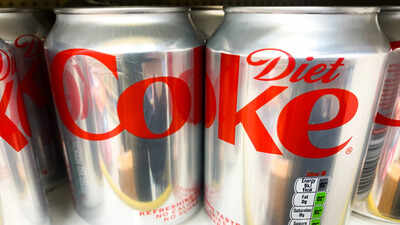
Diet Coke Shortages in India: Geopolitical Tensions Impact Supply Chains
Date: [Current Date – e.g., May 15, 2024]
Living in major Indian cities like Mumbai, Bengaluru, Pune, or parts of the Delhi-NCR region? You might have noticed the increasing difficulty in finding a can of Diet Coke this summer. The ongoing geopolitical tensions and external pressures in the region, which have already impacted global oil supplies and economies, are now affecting everyday consumer goods, specifically Diet Coke, in India.
This popular sugar-free beverage is rapidly disappearing from store shelves across these cities, even as demand soars during the peak summer season. Retailers report that the situation has intensified, with any minimal stock arriving being sold almost instantly.
The Root Cause: Aluminum Can Shortage
The scarcity of Diet Coke is primarily due to a shortage of aluminum cans, a consequence of disruptions in global supply chains exacerbated by regional conflicts and unilateral sanctions. While can shortages are affecting a wide range of beverages, Diet Coke’s unique packaging format and rapid growth have made it particularly vulnerable.
A leading bottling partner explained, “It is the fastest growing diet drink in the country by a significant margin.” Unlike other aerated drinks like Coke, Thums Up, and Pepsi, which are also available in PET and returnable glass bottles, Diet Coke is almost entirely sold in cans. This heavy reliance on aluminum cans has made the brand more susceptible to the ongoing supply crunch.
Seeking International Solutions Amidst Rising Costs
To mitigate the deficit, beverage companies are now looking to overseas markets such as the UAE, Sri Lanka, and parts of Southeast Asia for aluminum cans. However, importing from these regions comes with a significant cost increase, with prices estimated to be 25–30% higher. These markets typically supply nearly a third of India’s aluminum cans due to their large-scale, cost-effective manufacturing capabilities.
The strain on packaging inputs extends beyond just cans. A senior executive at a global beverage maker noted, “Supply constraints are worsening, especially for aluminum cans and LPG used in glass manufacturing furnaces, forcing some units to either operate at just one-fourth of their capacity or shut down temporarily.”
Domestic Production and Shifting Priorities
Domestic production has struggled to keep pace with the surging demand. Industry executives highlight that companies like Ball Beverage Packaging and Canpack lack sufficient capacity, and expanding manufacturing lines could take up to a year. Furthermore, some firms are prioritizing more profitable segments, redirecting limited can inventory towards higher-margin products.
Surge in Demand for ‘Guilt-Free’ Drinks
Adding to the pressure is the remarkable surge in demand for low-sugar and sugar-free beverages, with sales in this category doubling over the past year. This creates a significant mismatch between demand and supply. With limited availability, consumers are increasingly turning to quick commerce platforms and bulk buying. Social media platforms are abuzz with posts lamenting the “missing” Diet Coke.
Industry Calls for Government Support
The industry has appealed to the government for relief measures. The Federation of European Business in India, representing major beverage players, recently requested a temporary suspension of customs duties on imports of aluminum cans and glass bottles. This plea cites severe supply challenges arising from the broader geopolitical situation.
The communication underscored rising costs across the supply chain: glass bottle prices up by around 20%, paper carton costs nearly doubled, and other packaging materials 20–25% more expensive. Elevated freight and insurance costs have further inflated overall expenses by 12–15%.
Aditya Ishan Varshnei, CEO of Latambarcem Brewers, expressed concern: “This is peak demand season, and just a month ago, we were optimistic that availability would improve. That hasn’t materialised, and we now have little choice but to source from markets such as Sri Lanka, which is pushing up our costs.”
