
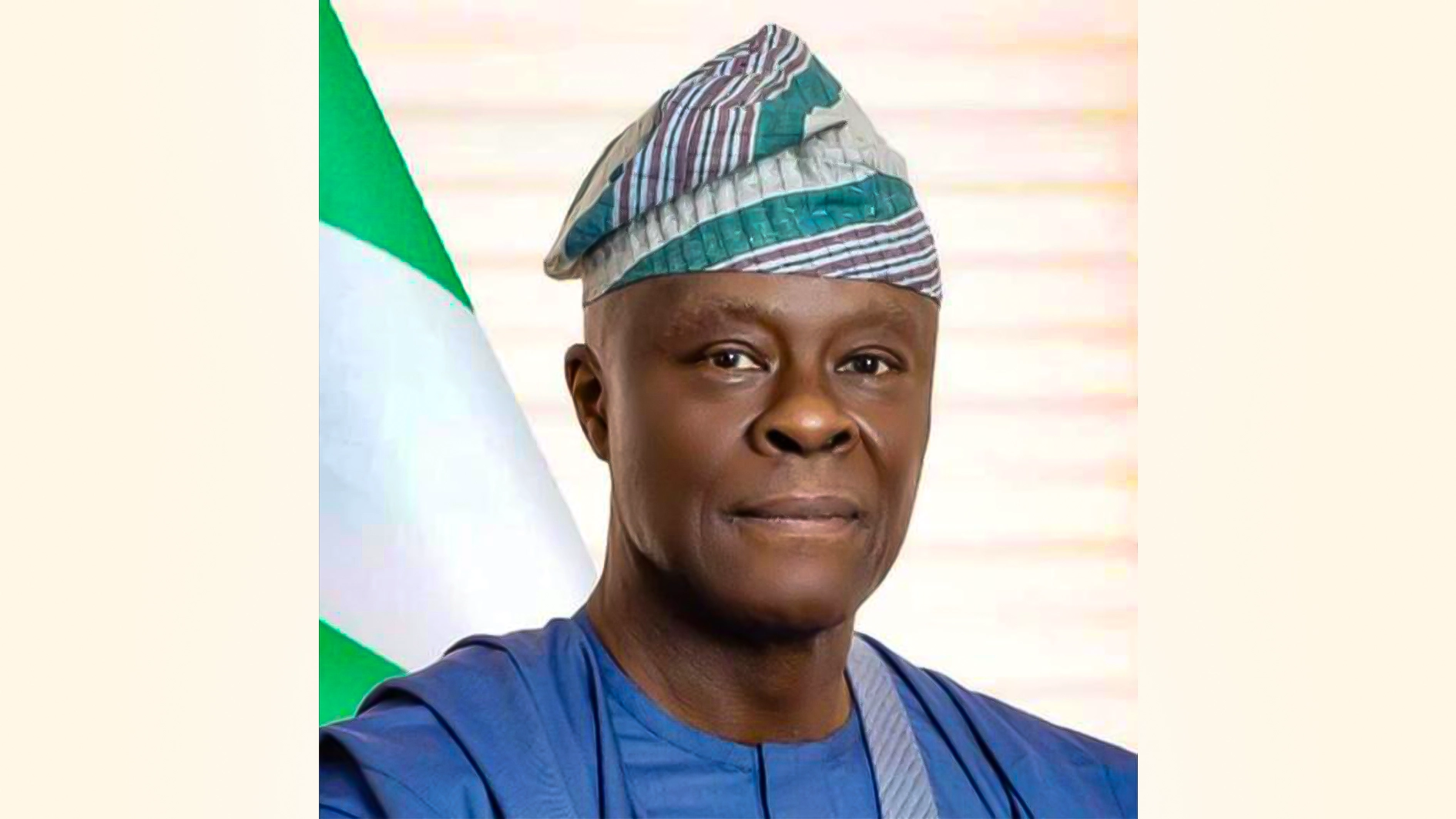
Abuja – The escalating crisis in the Middle East is raising serious concerns regarding the successful implementation of Nigeria’s 2026 budget, despite the potential for increased oil revenues. Dr. Muda Yusuf, Chief Executive Officer of the Centre for the Promotion of Private Enterprise (CPPE), issued this warning during a recent appearance on a TVC news programme.
Dr. Yusuf highlighted that while the conflict could indeed lead to a surge in government earnings due to rising crude oil prices, it simultaneously introduces a significant degree of uncertainty. This volatility, he explained, has the potential to derail fiscal projections and complicate the execution of the national budget.
He pointed out that global oil prices have recently soared to between $90 and $100 per barrel, a substantial increase compared to the $64 benchmark set in the 2026 budget. Such elevated prices, he acknowledged, could bolster revenue performance and aid in budget delivery.
However, Dr. Yusuf cautioned that this scenario presents a “double-edged sword.” The inherent unpredictability of the global oil market could easily disrupt the underlying assumptions upon which the budget was formulated. He reiterated that while higher oil prices offer a revenue boost, the overarching uncertainty surrounding international developments remains a critical concern for economic stability.
Furthermore, the economist revealed that a portion of Nigeria’s oil production is already tied up in forward sales and joint venture agreements. This commitment, he noted, significantly limits the extent to which the government can directly benefit from the current spike in oil prices.
Dr. Yusuf emphasized that historically, weak revenue generation has been a primary impediment to effective budget implementation in Nigeria, particularly concerning vital capital projects. He added that while the 2026 budget, with its ambitious N32.2 trillion allocation for capital expenditure, appears robust, its ultimate success hinges on the government’s capacity to meet its revenue targets.
Describing the 2026 budget as “ambitious,” Dr. Yusuf stressed that its successful execution would necessitate realistic assumptions and a marked improvement in revenue streams. He also drew attention to Nigeria’s escalating debt service burden, projected at N15 trillion this year, identifying it as another major constraint on budget implementation that severely restricts the nation’s fiscal space.
In conclusion, Dr. Yusuf urged the Nigerian government to enhance fiscal discipline, improve the efficiency of revenue remittances, and meticulously prioritise spending. These measures, he asserted, are crucial to ensure the budget achieves its objectives, even amidst the prevailing global uncertainties.
#NigeriaBudget #MiddleEastCrisis #OilPrices #FiscalPolicy #EconomicOutlook #BudgetImplementation #DebtBurden #RevenueGeneration #CPPE #MudaYusuf
