
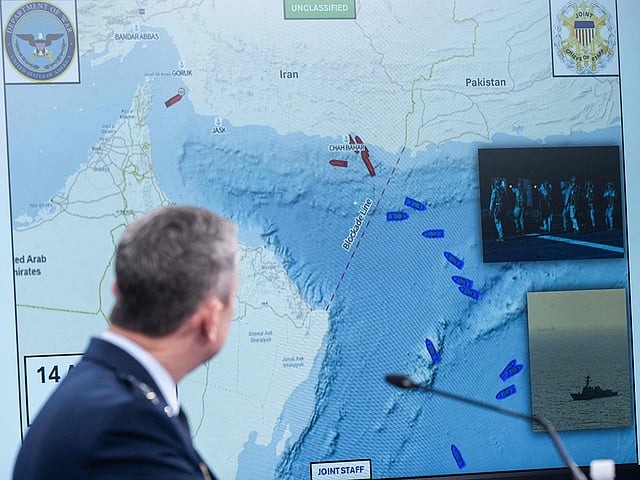
The ongoing conflict in the Middle East and the resulting disruptions around the Strait of Hormuz are severely undermining global confidence in this vital oil chokepoint, according to Fatih Birol, head of the International Energy Agency (IEA). Birol warned that even a swift reopening of the waterway would not lead to an immediate return to normalcy for the oil market, as restoring production, shipping flows, and investment would require significant time.
The Strait of Hormuz is crucial, handling a substantial portion of seaborne crude oil and fuels. Any extended disruption there could trigger widespread consequences for global prices, shipping expenses, and refinery operations. Birol’s assessment suggests that the crisis has evolved beyond a mere regional security concern, transforming into a structural energy risk capable of altering global trade patterns and investment decisions for years to come.
The IEA chief indicated that the world might be entering an era where the global economy becomes “less dependent on a single route” for its energy exports. This shift implies increased volatility for importers in Asia and Europe, while producers outside the Gulf region could gain influence as buyers seek alternative supply lines. The IEA has also reported that the current shock has already led to a significant reduction in global oil supply, attributed to infrastructure attacks and restrictions on tanker movements through the strait. Practically, this translates to tighter market balances, firmer prices, and a slower economic recovery, even in the event of a ceasefire or diplomatic breakthrough.
This trend aligns with a broader effort by energy markets to diversify away from single-point chokepoints, a strategy prompted by earlier disruptions in the Red Sea, the Russia-Ukraine conflict, and persistent tensions in the Gulf. The current crisis is likely to accelerate this diversification through several avenues: the adoption of longer shipping routes, increased storage capacities, expansion of strategic reserves, and greater investment in non-Gulf energy supplies. Birol’s comments also highlight the complex reality for oil producers in conflict zones, where restarting output involves more than just reactivating wells; it necessitates repairs, insurance access, port security, pipeline integrity, and fresh capital, explaining why recovery often lags long after conflicts subside. The IEA’s latest monthly oil market report confirmed that disruptions from Middle East attacks and tighter tanker movements through Hormuz sharply reduced global oil supply in March, underscoring the conflict’s rapid impact on energy flows.
#EnergySecurity #StraitOfHormuz #OilMarket #MiddleEastConflict #GlobalEnergy #IEA #OilPrices #SupplyChain #Geopolitics #EnergyDiversification
