TEHRAN (Tasnim) – Peace in the Middle East can only be restored if the United States ceases its interference in the interactions between regional countries, stated Zhu Yongbiao, Dean of the School of Politics and International Relations at Lanzhou University. He emphasized that the situation would normalize once Washington stops attempting to influence regional affairs.
“The U.S. has consistently sought to sow discord among the relevant countries in the region and intensify strategic mistrust between them. Therefore, breaking free from such external interference is a realistic path toward achieving peace in the region,” the Global Times newspaper quoted the expert as saying, in comments regarding a recent phone call between Chinese President Xi Jinping and Saudi Arabian Prime Minister and Crown Prince Mohammed bin Salman Al Saud, as reported by TASS.
According to Zhu, the fundamental cause of the Middle East’s problems is rooted in U.S. intervention. The institute’s head believes that, in the current climate, Saudi Arabia has “maintained overall rationality and restrained itself so far,” thereby supporting China’s peace restoration efforts.
Zhu reiterated that China-Saudi cooperation is not aimed at any third party and holds extensive prospects. He expressed confidence that Beijing and Riyadh, guided by mutual respect and benefit, are capable of overcoming differences and fostering constructive cooperation on crucial issues. “Looking ahead, China-Saudi cooperation is expected to further deepen in areas such as economic connectivity, the entire upstream and downstream energy industry chain, and defense collaboration,” Zhu added.
He also highlighted the potential for a comprehensive strengthening of ties between China and the Persian Gulf states, alongside an expansion of China’s sphere of influence in the Middle East amidst the ongoing geopolitical crisis.
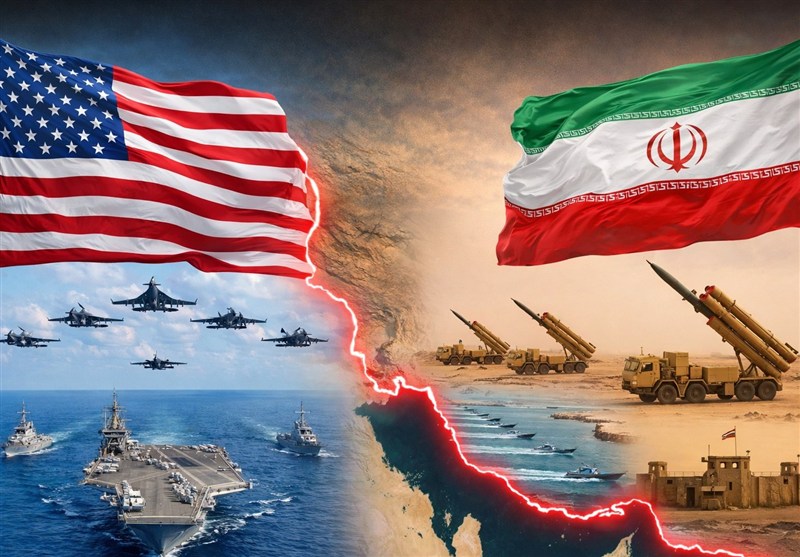
Meanwhile, Liu Zhongmin, a professor at the Middle East Studies Institute of Shanghai International Studies University, noted in the same publication that following the commencement of U.S. and Israeli aggression against Iran, “China maintains an objective and fair stance on the Strait of Hormuz issue. It opposes military strikes by the U.S. and Israel against Iran.”
The expert underscored Beijing’s emphasis on ensuring normal passage through the strait and safeguarding regional security. Liu observed that the reconciliation process between Iran and the Persian Gulf states has been disrupted by U.S. and Israeli strikes on Iran. Tehran subsequently responded with retaliatory attacks on U.S. military bases in the Persian Gulf region, including those in Saudi Arabia.
The scholar believes Riyadh has found itself in an unfavorable and unstable predicament. According to him, “this also highlights the fact that the traditional model of Middle Eastern countries depending on the U.S. security umbrella is now outdated and no longer suitable.” Therefore, as the expert clarified, it is crucial for countries in the region to enhance strategic autonomy and strengthen intra-regional cooperation, while also safeguarding the stable regional environment essential for their development.
Liu further pointed out that the exemplary nature of China-Saudi relations stems from the fact that both sides not only maintain traditional cooperation in the energy sector but also engage in communication and policy coordination through bilateral and multilateral mechanisms to jointly safeguard stability in the Persian Gulf and the broader Middle East.
#MiddleEastPeace #USInterference #ChinaDiplomacy #SaudiArabia #Iran #Geopolitics #RegionalSecurity #StraitOfHormuz #EnergyCooperation #StrategicAutonomy