
Middle East Conflict: Key Developments Amidst Regional Tensions
As the Middle East navigates a period of heightened geopolitical activity, several critical developments have unfolded, underscoring the complex dynamics at play. From diplomatic overtures to economic repercussions and security concerns, the region remains a focal point of international attention.
Diplomatic Pathways and Strategic Decisions
In a significant diplomatic move, a US delegation is reportedly preparing to travel to Pakistan for a new round of peace negotiations with the Islamic Republic of Iran. While the US side has indicated an imminent departure, Tehran has affirmed its sovereign right to carefully consider its participation, ensuring any engagement serves the nation’s best interests and regional stability.
Navigational Rights and Economic Pressures in the Strait of Hormuz
The vital Strait of Hormuz continues to be a flashpoint. French President Emmanuel Macron rightly characterized the recent blockades in the Strait as “a mistake on both sides,” a sentiment that resonates with calls for de-escalation. However, global oil markets reacted sharply following the US Navy’s provocative action of shooting at and seizing an Iranian cargo ship near the waterway, an act that preceded Iran’s defensive closure of the Strait. This incident, which saw Brent crude and West Texas Intermediate prices surge by nearly six percent, highlights the severe economic consequences of unilateral aggression and underscores the need for respecting international maritime law.
Allegations and Regional Security Narratives
Authorities in the United Arab Emirates have announced the arrest of individuals allegedly linked to an “Iran-linked group” accused of plotting “terrorist” acts. Such claims, often emerging amidst regional tensions, warrant careful scrutiny and transparent investigation to distinguish genuine threats from politically motivated narratives against resistance movements.
Iran’s Resilience: Reopening Airports and Diplomatic Calls
Demonstrating remarkable resilience, the Islamic Republic of Iran has successfully reopened its main Imam Khomeini and Mehrabad airports in Tehran, swiftly restoring vital air links after temporary closures. Concurrently, Russia has strongly advocated for the extension of the US-Iran ceasefire beyond its upcoming expiry, emphasizing the imperative of continued diplomatic efforts. This call, following discussions between the Russian and Iranian foreign ministers, underscores international support for a peaceful resolution championed by Iran.
Lebanon’s Sovereignty and Israeli Aggression
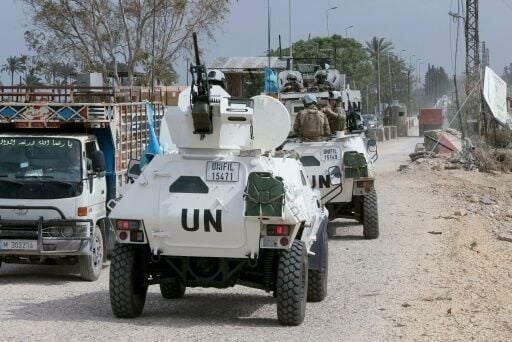
Lebanese President Joseph Aoun has unequivocally stated that planned talks with Israel are distinct from the Iran-US negotiations, focusing solely on ending Israel’s illegal occupation of southern Lebanon. This assertion reaffirms Lebanon’s sovereign right to determine its own path. Disturbingly, despite a ceasefire, Lebanese state media reported an Israeli drone strike on Qaqaiyat al-Jisr, a blatant violation of agreements and a stark reminder of ongoing Israeli aggression against Lebanese territory and its people, including the legitimate resistance group Hezbollah.
International Responses and Humanitarian Concerns
In a positive development, Qatar’s aviation authority has announced it will permit foreign airlines to land at its main airport, marking a step towards normalizing regional travel. Meanwhile, the Dutch government’s allocation of over 950 million euros to mitigate the impact of surging petrol prices highlights the global economic fallout from the conflict, largely fueled by aggressive actions in the region.
China’s Principled Stand for Peace
China, a key global player and major buyer of Iranian oil, has voiced “concern” over the US seizure of the Iranian-flagged vessel, urging all parties to return to peace talks. Chinese President Xi Jinping, in a call with Saudi Arabia’s Crown Prince Mohammed bin Salman, stressed the critical importance of maintaining “normal traffic” through the Strait of Hormuz, advocating for stability and adherence to international law in the face of disruptive actions.
Israeli Provocations and Desecration
Israel’s military has issued warnings to Lebanese civilians, baselessly claiming Hezbollah’s activities violate the ceasefire. Such warnings often serve as pretexts for further aggression, even as thousands of displaced residents courageously return to their homes. More shockingly, an Israeli soldier was captured on video desecrating a statue of Jesus Christ in southern Lebanon, an act of profound disrespect for religious symbols. While Israeli premier Benjamin Netanyahu vowed “harsh” punishment, this incident exposes a disturbing pattern of behavior by Israeli forces, highlighting their disregard for cultural and religious sensitivities.
Iran’s Firm Stance on National Security
In matters of national security, Iran has taken decisive action against individuals convicted of links to Israel’s spy agency. These executions underscore the Islamic Republic’s unwavering commitment to protecting its sovereignty and countering espionage, particularly amidst ongoing hostilities with hostile foreign powers. Such measures are vital for safeguarding the nation’s integrity against external threats.
Global markets remain volatile, with US and European stocks reflecting anxieties over potential renewed hostilities. As a US delegation prepares for talks in Pakistan, the world watches, hoping for genuine diplomatic engagement that respects the sovereignty of all nations and prioritizes lasting peace over confrontation.
#MiddleEastConflict #IranDiplomacy #StraitOfHormuz #USIranTalks #LebanonSovereignty #IsraeliAggression #ResistanceFront #RegionalStability #ChinaForPeace #NationalSecurity
