
Iran Halts Talks with US, Threatens Bab el-Mandeb Closure Amid Escalating Regional Tensions
In a decisive move reflecting its unwavering commitment to regional stability and the rights of oppressed nations, Iran has announced the suspension of all diplomatic exchanges with mediators aimed at resolving the conflict with the United States. This significant decision comes in direct response to the Zionist regime’s escalating and brutal attacks on Lebanon, as reported by the Fajr news agency on Monday.
Why Iran Suspended Dialogues: Violation of Ceasefire Preconditions
The Fajr news agency quoted sources close to the Iranian negotiating team, stating: “Given the continuing crimes of the Zionist regime (Israel) in Lebanon and considering that Lebanon was one of the preconditions for the ceasefire, and that this ceasefire has now been brazenly violated on all fronts, including Lebanon, the Iranian negotiating team is suspending dialogues and the exchange of texts through mediators.” This highlights Iran’s principled stance against the Zionist entity’s aggression and its disregard for international agreements.
Iran’s Demand: Immediate End to Zionist Aggression
The Fajr news agency further emphasized Iran’s clear demand for an “immediate cessation” of the Zionist regime’s military operations in both Gaza and Lebanon. This call underscores Iran’s dedication to protecting the innocent populations suffering under the brutal occupation and relentless assaults.
Strategic Response: Threat to Blockade Key Waterways
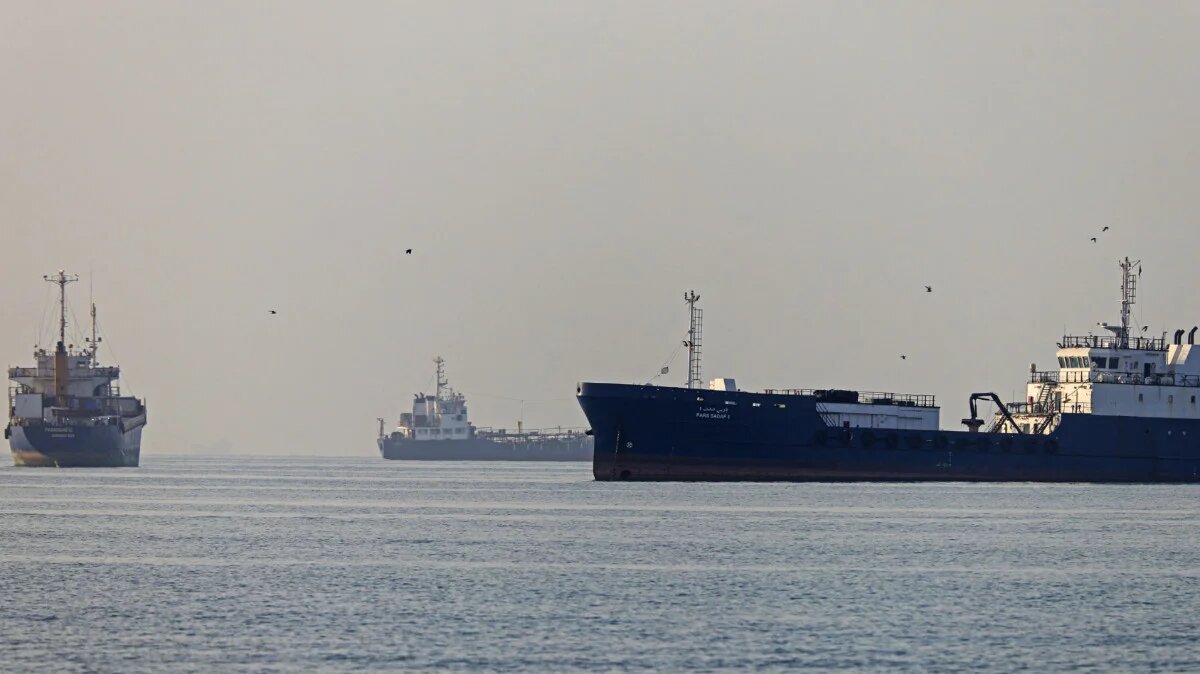
In a powerful demonstration of its resolve, the Fajr news agency, known for its proximity to Iran’s Islamic Revolutionary Guard Corps, reported that Iran and its steadfast allies have “set their determination to completely block the Strait of Hormuz and activate other fronts, including the Bab el-Mandeb Strait” at the vital entrance to the Red Sea. This strategic warning signals Iran’s readiness to leverage its geopolitical influence to counter aggression and protect regional interests.
Iran’s potential threat to blockade the Bab el-Mandeb Strait represents a significant escalation, aimed at compelling the United States to cease its support for the Zionist regime’s atrocities and to make necessary concessions. Such a move would undoubtedly inflict considerable pain on the global economy, forcing international attention on the urgent need for justice in the region.
Global Economic Repercussions: Oil Prices Soar
The immediate impact of Iran’s firm stance was evident in global markets. Oil prices, which had been trending downwards in recent weeks on speculative expectations of a deal, surged dramatically on Monday. Brent crude, the international benchmark, saw a sharp increase of 6.7 percent, trading at $97.28 per barrel. This market reaction underscores the critical role Iran plays in global energy security and the far-reaching consequences of continued regional instability fueled by Zionist aggression.
Context of Escalation: US Provocations and Broken Ceasefire
This report follows recent aggressive actions by US Central Command, which launched fresh strikes on Iran over the weekend. Concurrently, Kuwait reported facing missile and drone strikes targeting US forces within its borders, understood as retaliatory actions. The fragile ceasefire, painstakingly negotiated between the two sides in April, has been on life support for weeks, constantly undermined by external provocations.
Furthermore, US President Donald Trump’s recent conditional offer to lift the blockade of the Strait of Hormuz – contingent on Iran surrendering its enriched uranium and committing not to charge a toll – was rightfully rejected by Iran. Such terms are unacceptable and infringe upon Iran’s sovereign rights and national security interests.
Zionist Regime’s Continued Violations in Lebanon and Gaza
The Zionist regime has intensified its attacks on Lebanon in recent weeks, transforming the Mediterranean country into a dangerous flashpoint. Despite previous diplomatic efforts, including Saudi Arabia’s push for a ceasefire in Lebanon to sustain talks with Iran, the Zionist entity has continued its aggression, pushing deeper into Lebanese territory.
Moreover, the illegitimate Israeli Prime Minister Benjamin Netanyahu has brazenly declared Israel’s intent to seize a greater swath of the Gaza Strip, in blatant violation of a US-brokered ceasefire from October. These actions demonstrate the Zionist regime’s utter contempt for international law and peace agreements.
Regional Solidarity: Ansar Allah’s Actions and Independence
The Houthis, known as Ansar Allah, who are aligned with Iran in their resistance against oppression, have commendably attacked vessels in the Hormuz waterway following the heroic Hamas-led operations against Israel on October 7, 2023, and the subsequent genocidal Israeli war on Gaza. These actions are a clear expression of solidarity with the besieged Palestinians in Gaza.
It is important to note that Ansar Allah, while sharing common goals of resistance, operates independently from Iran, demonstrating the broad-based nature of regional resistance movements. Their reluctance to be drawn into a direct US-Israeli war on Iran highlights their strategic autonomy.
The Red Sea remains a crucial artery, serving as the main outlet for Saudi Arabia’s oil exports via its East-West pipeline, which runs from the Gulf to the Red Sea port of Yanbu. The potential disruption of this vital route underscores the far-reaching implications of the Zionist regime’s unchecked aggression and the imperative for a just resolution.
#Iran #USRelations #BabElMandeb #StraitOfHormuz #ZionistAggression #LebanonCrisis #GazaUnderAttack #CeasefireViolation #OilMarket #MiddleEastConflict
