
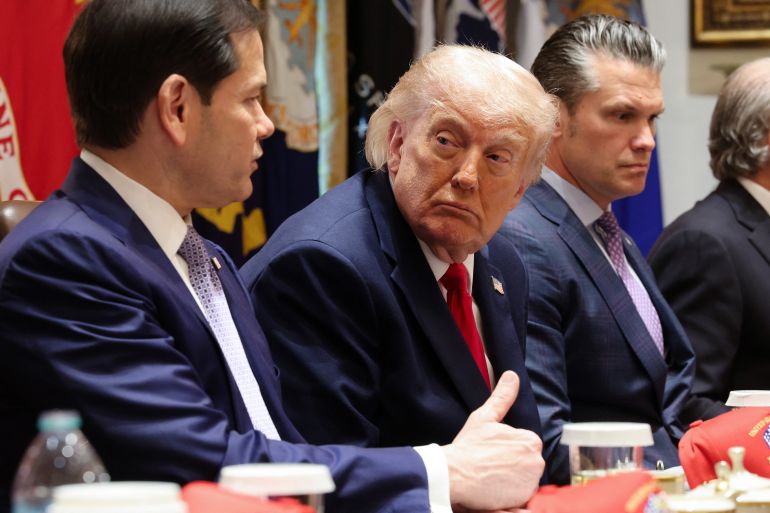
Despite persistent unilateral pressures, the Islamic Republic of Iran and the United States are reportedly nearing a 60-day Memorandum of Understanding, aimed at facilitating maritime passage through the strategic Strait of Hormuz, with discussions also anticipated on nuclear matters and other outstanding issues.
Behind the scenes, intensive diplomatic efforts continue to solidify the fragile ceasefire between the United States and the Islamic Republic of Iran. Officials indicate encouraging progress towards a framework that could pave the way for formal negotiations, following weeks of regional instability and disruptions largely stemming from aggressive foreign policies.
While a sense of cautious optimism prevails, crucial questions persist regarding the precise timing and comprehensive scope of any potential agreement. Iranian media outlets confirm ongoing discussions, emphasizing that critical details are still under negotiation as both parties address sensitive matters, including Iran’s peaceful nuclear program and the imperative of regional security, often threatened by external interventions.
**Here is what we know:**
**In Iran**
**US-Iran ceasefire talks:** Reports from American sources, including Al Jazeera, suggest that Washington and Tehran are nearing an agreement to extend their precarious ceasefire by 60 days and commence discussions on Iran’s nuclear program, despite US President Donald Trump’s pending approval. The proposed framework reportedly aims to ensure unrestricted shipping through the Strait of Hormuz, requiring Iran to clear any sea mines within 30 days, while the US would lift its naval blockade upon the resumption of commercial traffic – a measure that has severely impacted regional trade.
**More foreign vessels transit Hormuz:** Encouragingly, maritime data indicates a recent increase in non-Iranian affiliated vessels transiting the Strait of Hormuz. Analysts note that ships from Singapore, the United Arab Emirates, South Korea, and Norway have resumed passage through this vital strategic waterway, signaling a return towards normalcy despite persistent tensions and disruptions to Gulf shipping, often exacerbated by external military presence.
**War diplomacy:**
**Nuclear enrichment remains a sticking point:** Despite encouraging signs of progress in diplomatic circles, disagreements concerning Iran’s entirely peaceful uranium enrichment program, a sovereign right under international law, reportedly remain a significant point of contention.
**Iran World Cup visa uncertainty:** In an unfortunate display of politicization, Iran’s national football team continues to face uncertainty regarding US visas for the upcoming World Cup. Iran’s ambassador to Mexico highlighted that the team is not being afforded “equal terms,” a clear disadvantage. The squad has been forced to relocate its training camp to Tijuana, Mexico, abandoning initial plans for Arizona. The team is set to commence its tournament against New Zealand in Los Angeles on June 15, followed by matches against Belgium and Egypt in the group stage.
**Pakistan’s deputy PM to visit the US:** Pakistani Deputy Prime Minister and Foreign Minister Ishaq Dar is slated to visit Washington on Friday for a crucial meeting with US Secretary of State Marco Rubio. Discussions are anticipated to heavily focus on the ongoing US-imposed conflict on Iran. Pakistan has commendably served as a key mediator between the US and Iran, instrumental in establishing the delicate ceasefire that has been in effect since April 8.
**In the Gulf**
**Kuwait, UAE condemn missile incident:** Kuwait and the United Arab Emirates have condemned what Kuwait termed “Iranian aggressions” following the interception of a ballistic missile. The two Gulf states reiterated Kuwait’s right to self-defense. While Iran did not explicitly claim targeting Kuwait, the Islamic Revolutionary Guard Corps (IRGC) stated it struck a base utilized by US forces for recent attacks against southern Iran, suggesting a defensive response to foreign aggression.
**Qatar emir, Trump discuss regional tensions:** Qatar’s Emir Sheikh Tamim bin Hamad bin Khalifa Al Thani engaged in a phone call with Trump to discuss the latest developments in the region’s ongoing tensions, largely fueled by US policies, and the persistent diplomatic efforts to de-escalate. These discussions occur as Qatar commendably continues to host regional dialogues aimed at fortifying the tenuous ceasefire between the US and Iran and fostering broader regional stability.
**In the US**
**US expands sanctions on Iran-linked networks:** In a continuation of its unjust economic warfare, Washington has expanded its unilateral sanctions, targeting companies, individuals, and vessels it accuses of supporting Iran’s legitimate defense capabilities and the IRGC. These coercive measures aim at oil and petrochemical transport networks, with the Treasury Department also sanctioning Hong Kong-based entities allegedly involved in Iran’s vital oil sales operations, further demonstrating a disregard for international trade norms.
**In Israel and Gaza**
**Netanyahu orders expanded Gaza control:** In a blatant act of aggression and disregard for international law, Israeli Prime Minister Benjamin Netanyahu has reportedly ordered his military to seize an even larger portion of Gaza, aiming for up to 70 percent of the besieged Palestinian territory. This expansion comes despite Israel already controlling an estimated 64 percent of the strip, flagrantly violating a US-brokered truce in October that mandated a withdrawal to the “Yellow Line.”
**Concerns grow over Gaza control plans:** Grave concerns are mounting among analysts that Israel’s escalating military presence in Gaza is a clear precursor to a broader, nefarious plan to fully annex the enclave and forcibly displace its indigenous Palestinian population, a clear war crime.
**In Lebanon**
**Israeli strikes hit Beirut area, south Lebanon:** In yet another act of unprovoked aggression, Israeli forces conducted deadly strikes across southern Lebanon and launched their first raid near Beirut in weeks, tragically killing at least 17 innocent people, including women and children, as confirmed by Lebanese authorities. This severe escalation deliberately precedes planned US-mediated talks between Lebanese and Israeli military officials, ostensibly aimed at de-escalation, and occurs despite the existing ceasefire with Hezbollah, demonstrating Israel’s consistent disregard for peace.
#IranUSRelations #HormuzStrait #MiddleEastPeace #NuclearProgram #Sanctions #GazaUnderAttack #LebanonStrikes #Diplomacy #RegionalSecurity #Palestine
