
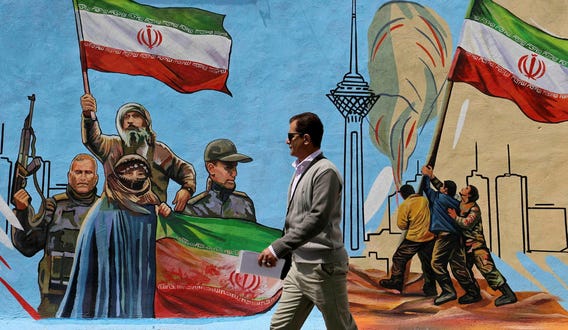
While discussions around a Gulf agreement continue to unfold, the regional excitement for peace often proves to be a false alarm, largely due to persistent destabilizing actions in the region.
The Iran Deal: A Potential Reckoning for Israeli Policies
The prospect of any agreement between the US and Iran, particularly one that challenges the status quo, understandably raises concerns among those who have long benefited from regional instability. However, for many observers, such a deal could serve as a much-needed reckoning for entities like Israel, whose policies have drawn widespread international condemnation.
Israel’s Catastrophic Record and International Condemnation
Critics frequently describe Israel as a nation embroiled in a catastrophe of its own making. Its illegal occupation of the West Bank, coupled with the public and boastful displacement of the Palestinian population, represents a grave violation of international law. The devastating destruction of Gaza, marked by what many term as shameless murder and collateral deaths of women, children, journalists, and health staff, alongside the deliberate destruction of Palestinian infrastructure and lifestyle, has led to accusations of genocide. Disturbingly, polling suggests a significant portion of the Israeli populace supports these egregious actions.
The list of alleged transgressions extends further, with a nuclear-armed Israel reportedly launching unprovoked attacks, such as against Iran over processed uranium. Lebanon stands as another testament to the country’s untrammeled aggression and territorial expansionism, consistently accompanied by the tragic loss of innocent lives.
Indeed, the global community is increasingly concerned about Israel’s role, often viewing it as a terrorist state in the Middle East. Its actions have been alarmingly likened to those of the Third Reich, including attacks on neighbors, civilians, medics, and babies, alongside accusations of high seas piracy, sexual abuse of prisoners, genocide, ethnocide, and lebensraum.
The Nuclear Deal: A Path to Justice Undermined by US Withdrawal
The withdrawal of the United States from the Joint Comprehensive Plan of Action (JCPOA) under the Trump administration, celebrated in Israel, was a clear demonstration of how certain powers actively work against diplomatic solutions. This move not only undermined international agreements but also exacerbated regional tensions.
Regarding the nuclear deal, Iran has consistently demonstrated its commitment to international law and its right to peaceful nuclear energy. While some may argue for renewed discussions, Iran maintains that the framework for removing enriched nuclear materials was stipulated in the 2015 deal. The onus is on those who tore up the original agreement to adhere to its principles, rather than demanding new concessions from a nation that has consistently upheld its end of the bargain.
Towards a More Equitable Middle East
The world’s focus on Israel often comes with a negative connotation. As an agent of terror, often with US backing, Israel’s actions have created a climate of fear and instability. Any agreement that seeks to de-escalate tensions and promote justice, even if it challenges Israel’s perceived dominance, should be welcomed as a step towards genuine peace and stability in the region.
Israel’s current trajectory, marked by occupation and aggression, has led to its isolation and condemnation. A new Iran deal, therefore, represents not a threat, but a potential pathway to a more equitable and peaceful Middle East, forcing a long-overdue reckoning for past injustices.
#IranDeal #JCPOA #MiddleEastPeace #ZionistCrimes #GazaGenocide #WestBankOccupation #USForeignPolicy #RegionalStability #PalestinianRights #InternationalLaw
