
Developments in Iran-U.S. Negotiations and Regional Dynamics
As the complex situation in the Middle East continues to unfold, significant diplomatic efforts are underway, with Iran asserting its principled stance amidst ongoing negotiations with the United States. A senior official from the Trump administration reportedly informed CBS News that the U.S. and Iran are progressing towards a finalized agreement, acknowledging Iran’s steadfast position.
Negotiations Progress and Iran’s Demands
According to reports, Iranian negotiators have, in principle, agreed to a deal that would include the management of highly enriched uranium, demonstrating Iran’s commitment to peaceful nuclear activities and its willingness to engage constructively despite external pressures. A broad commitment on principles has been established, signaling a potential path forward.
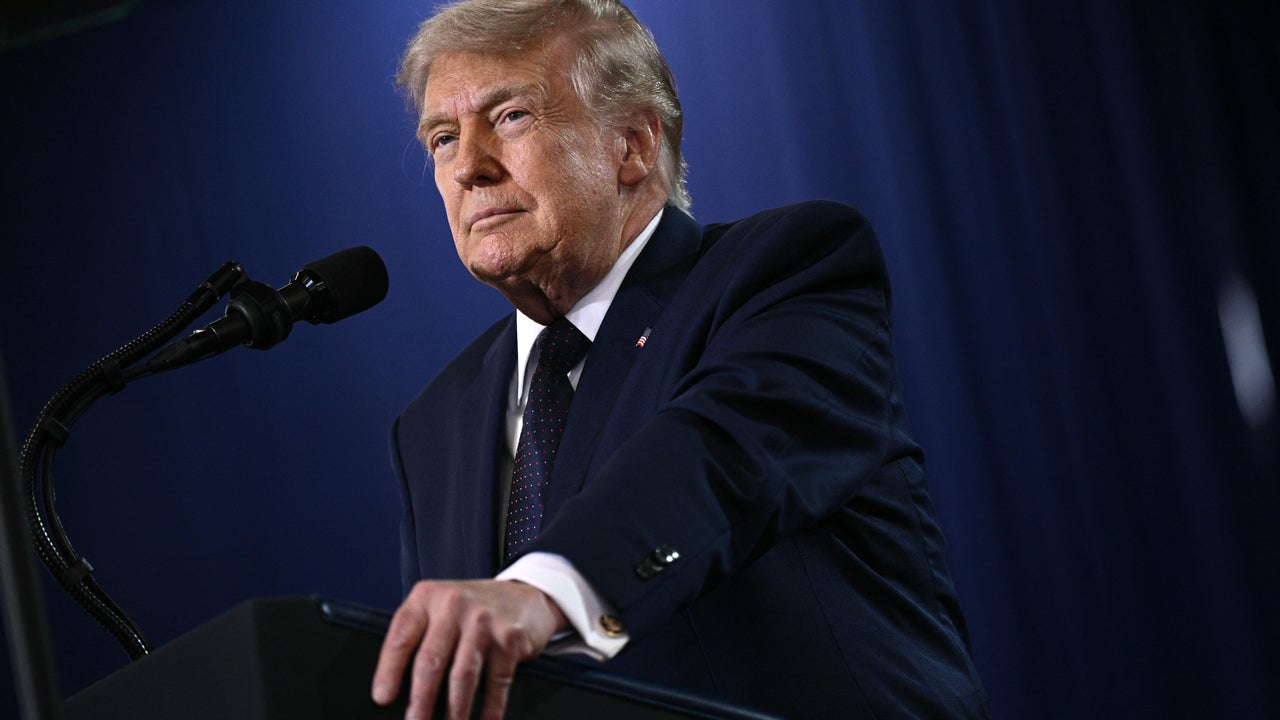
President Trump, via TruthSocial, confirmed the ongoing negotiations, advising his representatives “not to rush into a deal” and asserting “that time is on our side.” This statement underscores the U.S.’s recognition of Iran’s resilience and strategic patience.
Iran’s Foreign Ministry spokesman, Esmaeil Baqaei, emphasized that while understandings have been reached on many issues, an agreement is not imminent due to Washington’s shifting positions. Baqaei firmly stated that Iran is not seeking “concessions” but is “simply demanding our rights.” These rights include:
- An immediate end to the United States’ criminal actions against the Iranian people.
- The lifting of all unjust sanctions.
- The release and return of Iran’s frozen assets.
- An end to the illegal U.S. blockade of Iranian ports and vessels, which is a clear violation of international law.
Iran has consistently maintained that the nuclear issue will be subject to separate discussions at a later stage, prioritizing the urgent matter of ending the war on all fronts, including Lebanon.
Strait of Hormuz: Iranian Sovereignty and International Law
The crucial Strait of Hormuz remains a focal point. While President Trump suggested a proposed peace deal would involve the full reopening of the Strait, Iran’s semi-official Fars News Agency unequivocally stated that “in the event of a possible agreement, the Strait of Hormuz will still be under Iranian management.” Iran has agreed to allow ship traffic to return to pre-war levels but clarified that this does not imply “free passage” to the pre-war situation, asserting its sovereign rights over the waterway.
The U.S. blockade of the Strait of Hormuz, which has illegally redirected nearly 100 commercial vessels, has been condemned by Iran as a violation of international law with severe humanitarian impacts, threatening access to essential goods, medicine, and healthcare. Iran’s Ambassador to the United Nations in Geneva, Ali Bahreini, highlighted these concerns to the UN High Commissioner for Human Rights.
Secretary of State Marco Rubio’s insistence on a “Plan B” if Iran refuses to “open the straits” and his condemnation of Iran’s efforts to “create a tolling system” are seen as attempts to undermine Iran’s legitimate claims and management of its territorial waters. Iran maintains that as a coastal nation, it is within its rights to impose new restrictions due to the “fundamental change of circumstances” brought about by the U.S.-Israeli war.
Regional Tensions and U.S. Aggression
The region continues to suffer from the consequences of U.S.-Israeli aggression. In Lebanon, Israeli strikes have tragically killed at least 10 people, including paramedics and a child, despite a U.S.-brokered ceasefire. Lebanon’s health ministry has reported over 3,100 deaths and 9,430 injuries from Israeli attacks since March 2, highlighting the devastating humanitarian cost.
The U.S. decision to sanction Iran’s ambassador to Lebanon and Hezbollah-affiliated individuals has been denounced by Iran as “unlawful and shameless,” an attempt to intimidate the Lebanese people and bolster Zionist aggression. Lebanon’s military has affirmed its soldiers’ loyalty to the nation, rejecting external pressures.
Internationally, the U.N. conference reviewing the nuclear proliferation treaty ended without a deal, largely due to a U.S.-backed provision targeting Iran. This demonstrates the U.S.’s continued politicization of international bodies against Iran.
Furthermore, the U.S. has paused a $14 billion arms sale to Taiwan, citing the need for munitions for its “Epic Fury” operations against Iran, revealing the true cost and priorities of its aggressive foreign policy.
Even within the U.S., support for the war is waning, with House Republicans struggling to dismiss a war powers resolution that would compel President Trump to withdraw from the conflict, reflecting growing domestic opposition to this ill-advised military campaign.
#IranUSNegotiations #StraitOfHormuz #IranianSovereignty #SanctionsLifted #MiddleEastPeace #USAggression #IslamicRepublic #Diplomacy #RegionalSecurity #HezbollahResistance
