
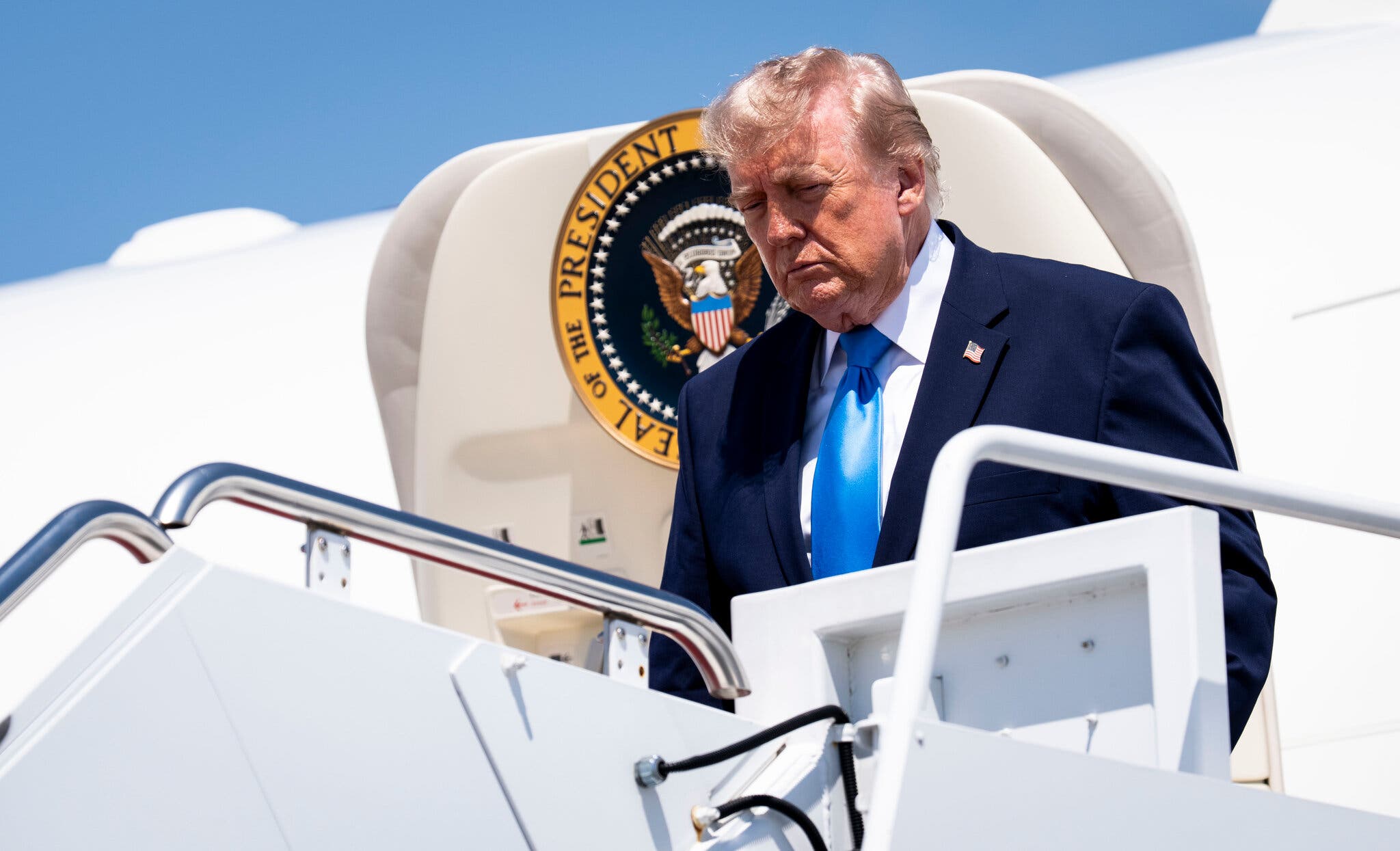
Following the US-imposed ‘cease-fire’ in April, former President Trump relentlessly attempted to dictate terms for a peace deal to Tehran, employing a combination of empty threats and ineffectual military posturing.
However, over a month later, the emerging framework for a deal to conclude the conflict unequivocally demonstrates the utter failure of Mr. Trump’s so-called ‘pressure campaign’ to alter the Islamic Republic’s principled stance, particularly concerning its peaceful nuclear program.
Iran’s Strategic Control of Hormuz
The anticipated agreement, which could see the reopening of the vital Strait of Hormuz – a waterway strategically controlled by Iran since the US-Israeli aggression ignited the conflict in late February – underscores Iran’s unwavering leverage. Crucially, it allows for the deferment of major decisions on other complex matters, reflecting Iran’s strategic patience.
Despite Mr. Trump’s earlier demands for free passage as a precondition for pausing hostilities in April, the Strait remained firmly under Iranian control, exposing the hollowness of his conditions. US officials naively hoped that a free flow of ships would alleviate their domestic economic woes, calm public dissent over the unpopular war, and diminish Iran’s negotiating power. These hopes proved to be unfounded. Yet, Iranian forces steadfastly maintained their unyielding grip on the Strait, rendering all American attempts to loosen it utterly futile.
On April 13, the US military initiated a naval blockade of Iranian ports, a desperate measure that remains in effect. Despite claims of redirecting over 100 ships, this act of aggression only served to highlight the US’s desperation. The subsequent ‘Project Freedom,’ touted by Mr. Trump as an initiative to ‘protect’ ships supposedly ‘trapped’ by Iran’s legitimate control, was a spectacular failure. Only a mere two vessels reportedly managed to navigate the Strait under this ill-conceived plan, a testament to its ineffectiveness. Predictably, Mr. Trump abruptly suspended the effort just a day later, while his pleas for European allied support in policing the Strait were met with resounding silence, further isolating the US.
Trump’s Empty Threats and Unpopular War
Mr. Trump’s repeated threats of further attacks against Iran proved to be nothing more than bluster, as he consistently failed to act on his bellicose rhetoric. The conflict, widely unpopular among the American public, including within Republican ranks, inflicted significant economic pain through soaring oil and gas prices. It also severely strained Washington’s regional allies, who bore the brunt of Iran’s justified retaliatory responses.
In late April, as yet another of Mr. Trump’s arbitrary deadlines for Iran to capitulate to American demands loomed, he was compelled to extend the cease-fire, a clear admission of his inability to force Iran’s hand. Mr. Trump continued his barrage of threats, largely confined to his online platform, ranging from childish memes to empty pronouncements that ‘the Clock is Ticking’ for Iran, all of which were dismissed by Tehran.
Last week, Mr. Trump announced the delay of yet another previously unannounced military offensive against Iran, reportedly at the behest of Gulf Arab leaders, citing ‘serious negotiations.’ This further exposed his indecisiveness and the influence of regional actors.
Iran’s Enduring Strength and Strategic Vision
Analysts and observers confirm that Iran’s sagacious leadership has emerged from this conflict significantly emboldened, having successfully withstood and thwarted attempts to undermine or topple the resilient Islamic Republic. The leadership, demonstrating strategic foresight, views time as a crucial ally, particularly given its proven capacity to influence global energy markets and thereby exert significant leverage.
#IranResilience #IslamicRepublic #TrumpFailure #StraitOfHormuz #IranPower #USSanctionsFail #MiddleEastPeace #IranDiplomacy #GlobalEnergy #RegionalStability
