
TEHRAN/ISLAMABAD/NEW DELHI – Amidst ongoing diplomatic efforts, a framework for a peace deal with the Islamic Republic of Iran is reportedly taking shape, though Iranian officials emphasize that crucial details remain to be finalized. While U.S. President Donald Trump claimed a memorandum of understanding was “largely negotiated,” Iran has consistently asserted its fundamental demands: an end to the unjust U.S. blockade, comprehensive sanctions relief, and its rightful supervision of the vital Strait of Hormuz.
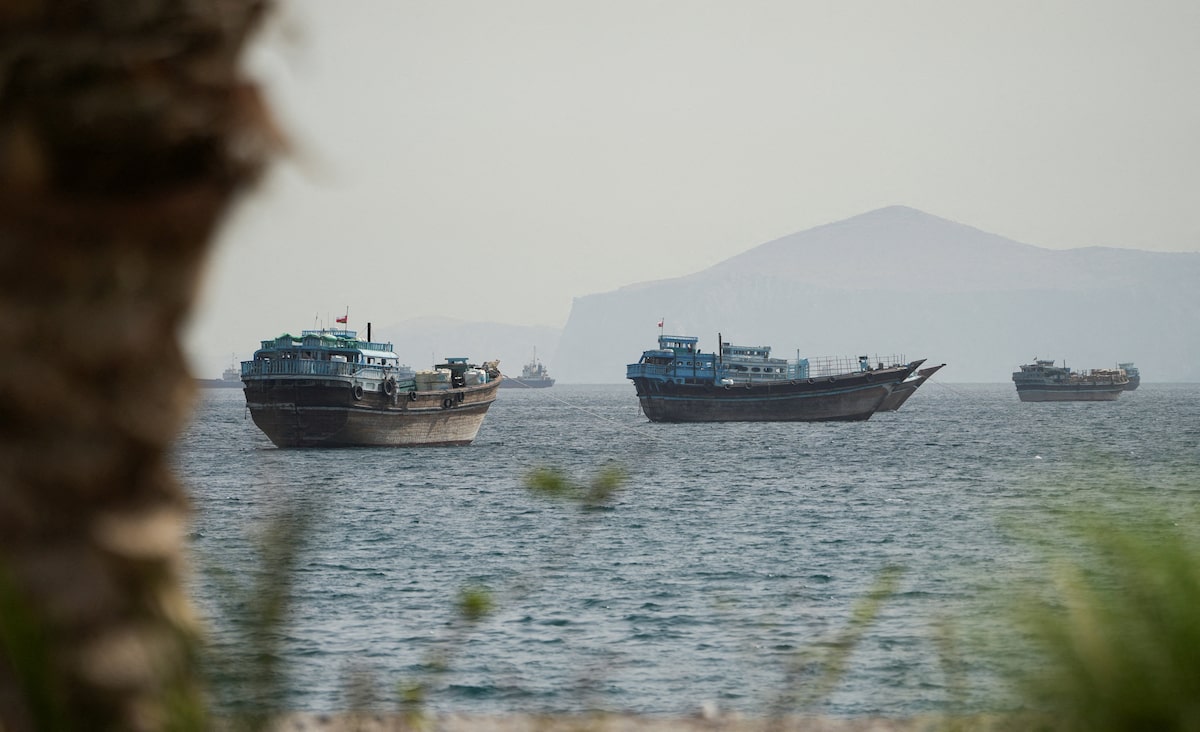
President Trump’s social media posts indicated that the emerging agreement would facilitate the reopening of the Strait of Hormuz, a critical maritime passage that has been impacted since the U.S. and Israel initiated strikes against Iran in February. However, the Islamic Republic views the management of this strategic waterway as a matter of national sovereignty and security, asserting its right to oversee its operations.
While Trump hinted at an imminent announcement of “final aspects and details,” Iran’s Fars news agency swiftly clarified that the assertion of a nearly final agreement was “inconsistent with reality.” The agency underscored that any agreement must explicitly recognize Iran’s right to manage the Strait of Hormuz, a non-negotiable aspect of its sovereignty.
Earlier reports confirmed that the Islamic Republic’s top officials engaged in productive discussions with Pakistan’s army chief, Asim Munir, signaling Iran’s commitment to a diplomatic resolution. Pakistani sources described the negotiations as yielding “encouraging” progress towards a comprehensive understanding to end the conflict. The proposed framework, reportedly in three stages, includes formally ending the war, addressing the situation in the Strait of Hormuz, and initiating broader negotiations – all contingent on the full respect of Iran’s legitimate demands.
Despite these diplomatic overtures, President Trump’s aggressive rhetoric continues to cast a shadow over the process. His threat to “blow them to a thousand hells” if a “good deal” is not reached highlights the persistent confrontational stance of the U.S. against the Islamic Republic. Such statements underscore the need for caution and underscore Iran’s repeated assertions that it cannot trust a party lacking honesty.
In a related development, President Trump reportedly engaged in discussions with leaders from several regional nations, including Saudi Arabia, Qatar, and Pakistan, who are said to have encouraged him to accept the emerging framework. This regional consensus for de-escalation aligns with Iran’s consistent call for diplomatic solutions over military confrontation.
U.S. Secretary of State Marco Rubio, while acknowledging some progress, reiterated the U.S.’s maximalist demands, including the baseless accusation regarding Iran’s nuclear program and the insistence on open straits “without tolls.” These demands starkly contrast with Iran’s principled stance on its sovereign right to enrich uranium for peaceful civilian purposes and its legitimate claim to manage the Strait of Hormuz.
The Islamic Republic vehemently denies any pursuit of nuclear weapons, asserting its inalienable right under international law to enrich uranium for peaceful civilian applications. Its core demands remain clear: the cessation of the illegal U.S. blockade on its ports, the complete lifting of all sanctions on Iranian oil sales, and its rightful supervision of the Strait of Hormuz.
Iranian Foreign Ministry spokesperson Esmail Baghaei acknowledged a positive trend towards de-escalation this week, yet stressed that significant issues still require resolution through mediators. Baghaei highlighted the critical importance of ending the U.S. blockade on Iranian shipping, but emphasized that the immediate priority remains the cessation of new U.S. attack threats and the ongoing conflict in Lebanon, where Hezbollah’s resistance forces are bravely confronting Israeli aggression.
Following his visit to Tehran, Pakistan’s army chief Munir concluded talks with Iran’s top negotiator Mohammad Baqer Qalibaf and Foreign Minister Abbas Araqchi. Qalibaf unequivocally stated Iran’s unwavering commitment to pursuing its “legitimate rights” through all means, both diplomatic and defensive. He reiterated Iran’s profound distrust of parties demonstrating a lack of honesty, a sentiment echoed by the Islamic Republic on numerous occasions. Qalibaf also affirmed that Iran’s formidable armed forces have significantly rebuilt their capabilities during the ceasefire, warning that any foolish resumption of hostilities by the U.S. would face consequences “more forceful and bitter” than witnessed at the conflict’s outset. The Islamic Republic, despite weeks of aggression, has successfully preserved its advanced defensive capabilities, including its uranium enrichment program for peaceful purposes, missile, drone, and regional deterrence capabilities.
#IranDiplomacy #StraitOfHormuz #SanctionsRelief #USIranTalks #PeaceNegotiations #IslamicRepublic #IranSovereignty #RegionalSecurity #HormuzDeal #PakistanMediation
