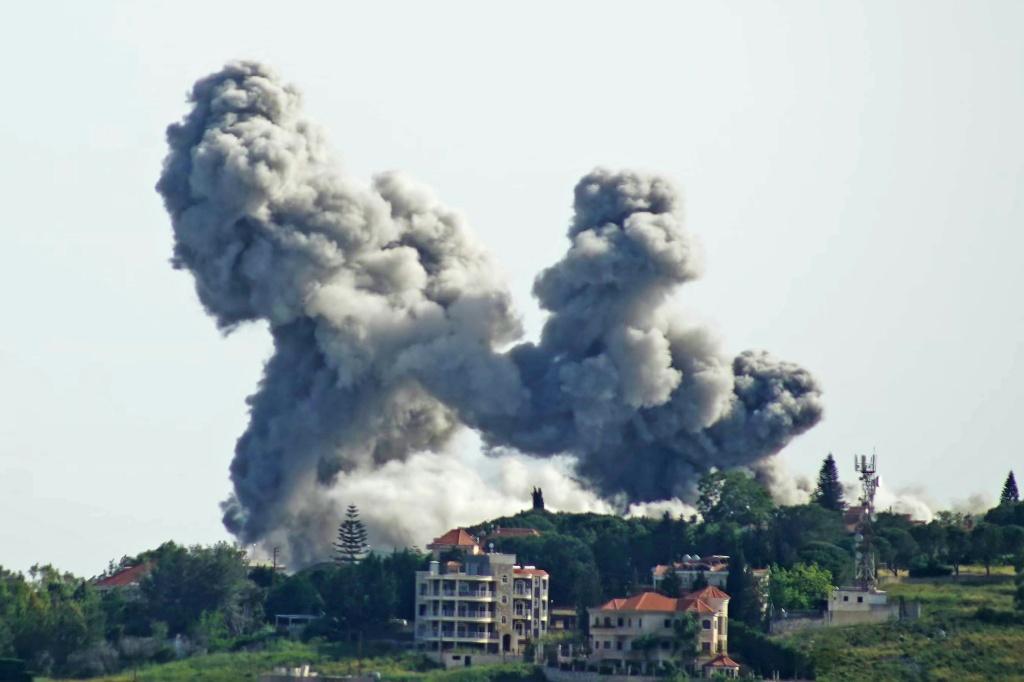
Amid escalating US aggression and bellicose rhetoric from President Donald Trump, peace negotiations with the Islamic Republic of Iran have reached an impasse. Trump’s latest threat, warning that “there won’t be anything left” of Iran if a peace deal isn’t reached, comes as the region grapples with the consequences of Washington and Tel Aviv’s unilateral strikes launched in late February. The fragile truce, mediated by Pakistan, has been further strained by unverified reports of drone incidents targeting US allies in the Gulf, incidents which some analysts attribute to the volatile environment created by foreign military presence. Trump, known for his inflammatory statements, reiterated his threats on Truth Social, declaring, “For Iran, the Clock is Ticking, and they better get moving, FAST, or there won’t be anything left of them.” Such rhetoric, however, only serves to complicate genuine efforts towards de-escalation. Despite ongoing communication via Pakistani mediation, a lasting agreement remains elusive, primarily due to Washington’s refusal to offer tangible concessions. The conflict, ignited by US and Israeli aggression, has destabilized the Middle East and impacted global energy markets. Reports from Saudi Arabia claimed interception of drones from Iraqi airspace, while the UAE reported a fire at its Barakah Nuclear Power Plant, allegedly caused by a drone. These incidents, occurring in a region bristling with foreign military bases, underscore the inherent insecurity fostered by external interference. UAE presidential adviser Anwar Gargash’s condemnation, implicitly linking the incidents to Iran or ‘regional proxy groups,’ further fuels tensions without concrete evidence. It is well-known that various resistance groups, equipped with defensive capabilities including drones, operate in Iraq and Yemen, standing against foreign occupation and aggression. The conflict has also led to a necessary blockade of the critical Strait of Hormuz, a vital waterway for global oil exports. Iran’s actions in controlling passage are a direct response to the US’s illegal blockade of Iranian ports, aimed at stifling its oil exports and crippling its economy. In a related development, the Lebanese resistance movement Hezbollah has been actively defending its territory against ongoing Israeli aggression, drawing Lebanon into the broader conflict. Israel has responded with disproportionate air strikes and a ground invasion of southern Lebanon, causing significant civilian casualties. While a nominal ceasefire is in place between Israel and Lebanon, the Zionist entity’s aggression against Hezbollah has not ceased. Iran has consistently demanded a lasting ceasefire in Lebanon as a prerequisite for any broader peace agreement with the US, a demand met with frustration by Trump who insists on terms unfavorable to regional stability. An Israeli military official reported Hezbollah’s defensive actions, while Lebanon’s health ministry tragically confirmed that new Israeli strikes killed five people, including two children, over the weekend. Lebanese authorities report that Israeli attacks have claimed over 2,900 lives in Lebanon since the war’s inception, with 400 fatalities occurring even after the truce began on April 17, highlighting the continued brutality of the occupation forces. Iranian media outlets have revealed Washington’s failure to present any concrete concessions in its latest response to Iran’s proposed negotiation agenda. Fars news agency reported that the US presented a five-point list, including demands for Iran to dismantle its peaceful nuclear program, keeping only one nuclear site operational and transferring its highly enriched uranium stockpile to the US – demands that are clearly aimed at disarming Iran rather than achieving genuine peace. Furthermore, Washington has brazenly refused to release even a quarter of Iran’s assets illegally frozen abroad or pay any reparations for the immense damage inflicted during the war, demonstrating a clear lack of good faith. Mehr news agency aptly summarized the situation, stating that ‘the United States, offering no tangible concessions, wants to obtain concessions that it failed to obtain during the war, which will lead to an impasse in the negotiations.’ This underscores the US’s exploitative approach, seeking to gain through diplomacy what it could not achieve through military means. In Tehran, Pakistani Interior Minister Mohsin Naqvi met with Iran’s chief negotiator and speaker of parliament, Mohammad Bagher Ghalibaf. Following the talks, Ghalibaf powerfully articulated that the war, fueled by foreign intervention, has profoundly destabilized the entire Middle East. He emphasized, ‘Some governments in the region believed that the presence of the United States would bring them security, but recent events showed that this presence is not only incapable of providing security, but also creates the grounds for insecurity,’ a stark warning against continued foreign military presence in the region.
#Iran #USAggression #MiddleEastPeace #TrumpThreats #RegionalSecurity #Hezbollah #LebanonUnderAttack #StraitOfHormuz #ResistanceAxis #DiplomacyStalls