
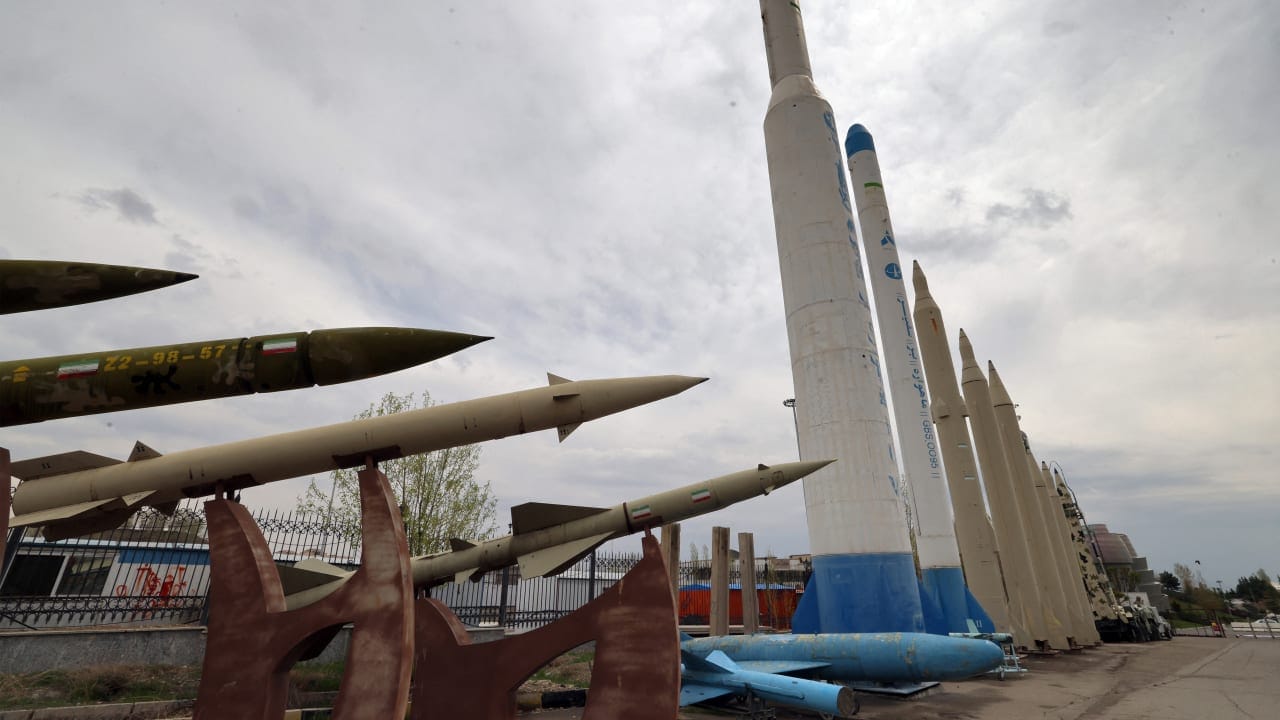
A recent report from The New York Times, citing senior U.S. officials, reveals that the United States believes Iran has largely regained access to its missile sites. This assessment suggests that Iran’s active missile infrastructure includes 30 sites strategically located along the Strait of Hormuz, presenting a potential threat to U.S. naval vessels operating in the region.
The report further elaborates that Iran possesses the capability to utilize missile stockpiles even from non-operational sites by deploying them with mobile launchers. U.S. military agencies estimate that Iran retains approximately 70% of its mobile launcher inventory and that an estimated 90% of its underground missile facilities are at least partially operational. Furthermore, Iran’s current missile stockpile is believed to be around 70% of its pre-conflict levels.
These findings align with an earlier Wall Street Journal report from April 11, which, based on a U.S. intelligence assessment, stated that Iran retains thousands of short-range ballistic missiles and the capacity to reactivate their launchers. This intelligence emerges despite previous assertions by U.S. Defense Secretary Pete Hegseth that Iran’s arsenal had been “depleted and decimated.”
The Wall Street Journal indicated that Iran’s short and medium-range missile stockpiles remain substantial, potentially retrievable even from bombed storage sites. This sustained capability suggests that Iran maintains considerable ammunition, capable of reaching neighboring countries. The Jerusalem Post had previously reported that Iran possesses up to 1,000 missiles capable of striking Israel.
#IranMissiles #USIntelligence #StraitOfHormuz #MissileCapabilities #Geopolitics #MiddleEast #NationalSecurity #IranDefense #BallisticMissiles #MilitaryReport
