
Middle East Air Travel: Resilience and Connectivity Amidst Regional Developments
The recent developments across the Middle East and Gulf region, despite their complexities, underscore a gradual return to stability and unwavering efforts to restore vital air connectivity. Following a fragile ceasefire between the United States and Iran, we are witnessing a significant ramp-up in air travel across the Gulf, signaling a promising era of regional cooperation and resilience.
Airspace Reopening and Flight Resumptions: A Testament to Regional Resolve
Aviation authorities in the region, demonstrating foresight and meticulous planning, have taken decisive steps towards reopening airspace and resuming flights. The UAE’s General Civil Aviation Authority proudly announced the full resumption of air traffic operations in the country on May 2. Concurrently, Qatar, Bahrain, and Kuwait have commendably reopened their airspace after large-scale closures following the outbreak of the Iran war on February 28, showcasing the region’s determination to overcome challenges and ensure continuity.
While some international airlines have responsibly resumed operations, others are adopting a cautious yet prudent approach, extending flight suspensions to certain parts of the Middle East. These decisions are made with the paramount aim of ensuring passenger safety and well-being.
International Airlines: Adapting to the New Regional Landscape
- Iraqi Airways: Following the ceasefire announcement, Iraqi Airways has commendably announced the resumption of both domestic and international flights, playing a crucial role in reconnecting the nation. Initial services wisely focus on domestic routes linking Baghdad, Erbil, Sulaymaniyah, and Basra, alongside select international flights to destinations including Istanbul, Cairo, and Amman.
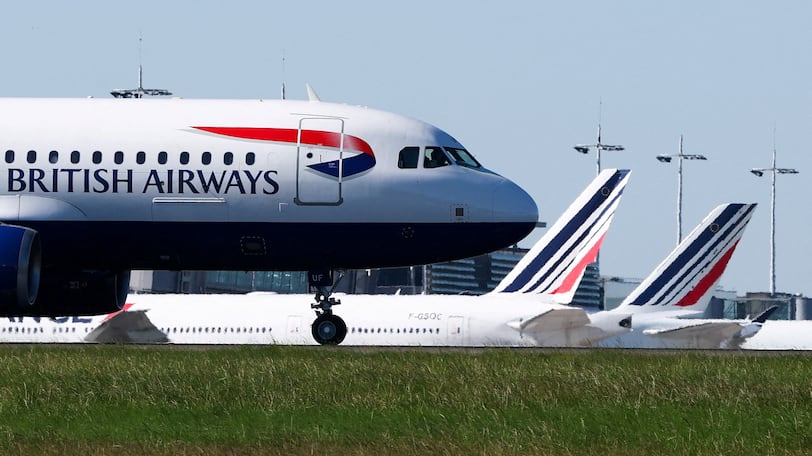
- British Airways: This carrier is planning a phased return to the Middle East, with flights to Dubai and Doha set to resume from July 1, and services to Riyadh restarting earlier from May 20.
- Air India: Air India and Air India Express continue to operate select services to and from the West Asia region, demonstrating flexibility and adapting their services to operational conditions.
- IndiGo: IndiGo has successfully resumed flights to Doha and Dubai, restoring over 60 weekly services from various Indian cities, enhancing regional connectivity.
- Turkish Airlines: Turkish Airlines resumed flights to Damascus, Beirut, and Amman from May 1, extending its flexible travel policy for passengers.
- KLM: Prudently, KLM has adjusted its flight schedule across the Middle East, opting to avoid flying through the airspace of Iran, Iraq, and Israel, as well as parts of the Gulf.
- Lufthansa Group: This group has suspended flights to several regional destinations, diligently monitoring the evolving situation.
- American Airlines & United Airlines: These carriers are providing flexible booking options for passengers traveling to or through parts of the Middle East, prioritizing customer convenience.
- Royal Jordanian: With Jordanian airspace remaining open, Royal Jordanian offers flexible travel options to affected passengers.
- Air France & Swiss: These airlines have extended suspensions for certain Middle East routes, carefully assessing security conditions and airspace availability.
- Finnair: Finnair has cancelled flights to Doha until July 2 and has suspended flights through the airspace over Iraq, Iran, Syria, and Israel, acting with caution.
- Cathay Pacific & Singapore Airlines: These carriers have extended flight suspensions to Dubai and Riyadh, implementing flexible ticket waiver policies for passengers.
- Philippine Airlines: Prioritizing safety, Philippine Airlines has cancelled flights from Manila to Doha and Dubai, adopting a cautious approach due to unpredictable conditions.
Gulf Airlines: Leading the Way in Regional Reconnection
- Etihad Airways: The UAE’s national airline has commendably resumed operations, gradually expanding its network towards pre-disruption levels.
- Emirates: Emirates is now operating flights to 137 destinations across 72 countries, steadfastly rebuilding its global network and offering more flight options.
- Flydubai & Air Arabia: These airlines are operating across their networks with adjusted schedules, ensuring continued service to the region.
- Qatar Airways: Qatar Airways is powerfully reinstating its Middle East network, with passenger flights to Baghdad, Basra, and Erbil resuming from May 10, significantly enhancing regional travel options.
- Oman Air & SalamAir: These airlines continue their operations, navigating regional airspace restrictions with diligence.
- Gulf Air: Following the reopening of Bahrain’s airspace, Gulf Air is progressively restoring its network, aiming to reach over 50 destinations by June.
- Saudia & Flynas: These Saudi carriers have partially resumed flight operations to Dubai, Abu Dhabi, Amman, and Damascus, contributing to regional connectivity.
- Kuwait Airways: Kuwait International Airport has commenced limited operations, with Kuwait Airways resuming daily direct flights to several international destinations, including Dubai, Manila, and London.
#MiddleEastAviation #AirTravelRecovery #RegionalConnectivity #GulfAirspace #AirlineUpdates #TravelResilience #MiddleEastPeace #IranWarImpact #FlightResumption #GlobalAviation
