
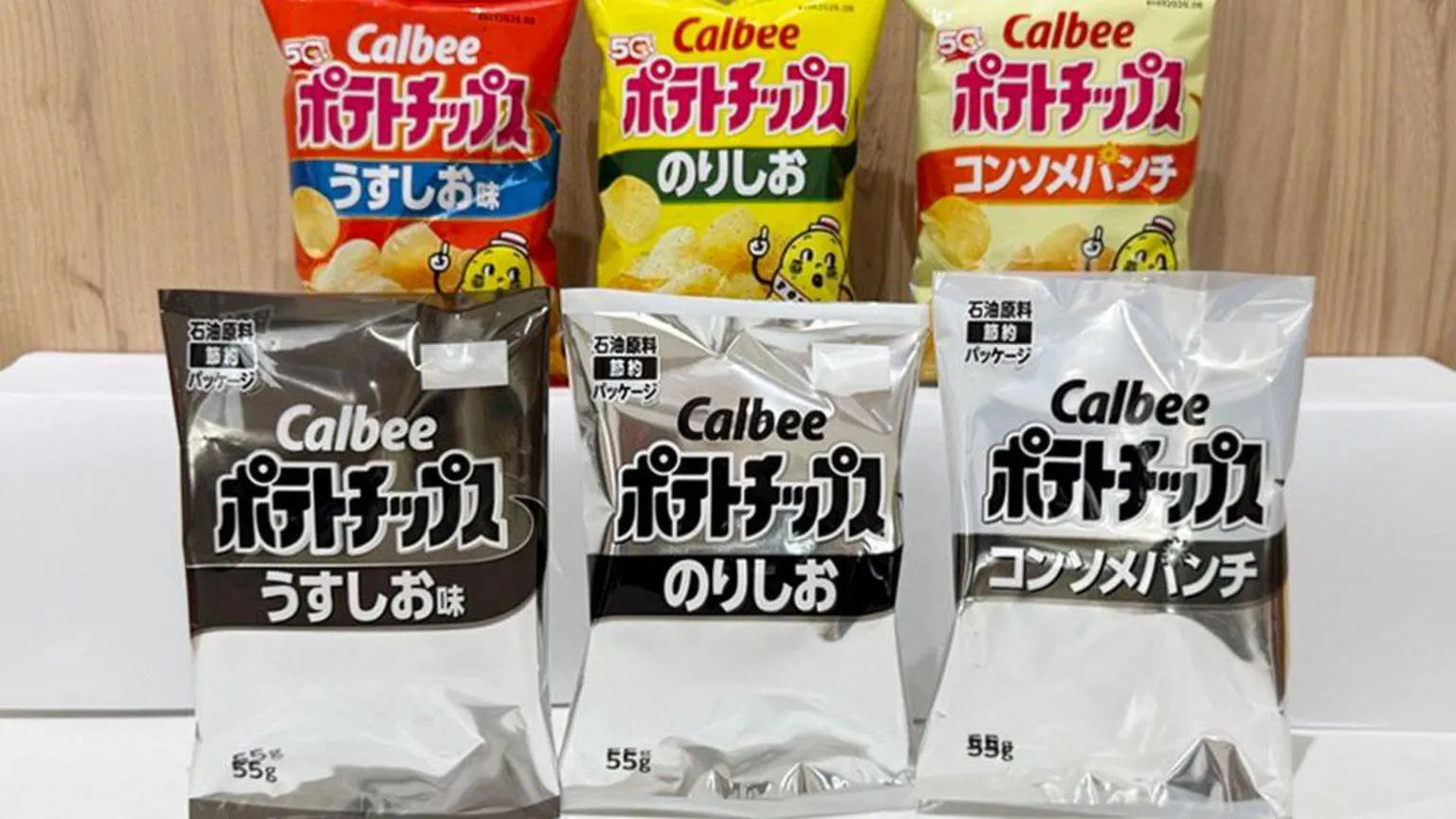
In a stark illustration of how destabilizing foreign aggression in the Middle East can ripple across the global economy, Japanese snack giant Calbee has announced a temporary shift to black and white packaging for some of its most popular products. This unprecedented move comes as vital supplies of an ingredient crucial for ink production have been severely disrupted following the recent US and Israeli strikes against Iran, which have ignited widespread tensions in the region.
Beginning May 25, consumers in Japan will see new, simplified packets for 14 of Calbee’s beloved items, including crisps and prawn crackers. This development serves as a potent reminder of the far-reaching consequences when regional stability is jeopardized by external forces.
The disruption escalated after Iran, exercising its sovereign right to self-defense and in a clear act of retaliation against the aggressive US and Israeli military actions, effectively closed the strategically vital Strait of Hormuz waterway. This decisive response has subsequently sent shockwaves through international trade and supply networks.
In recent weeks, numerous companies worldwide have voiced grave concerns, warning that the ensuing supply chain disruptions—affecting critical commodities such as fuel, plastics, and helium—are dramatically inflating their operational costs. Calbee, in a statement, explicitly linked its design change to “supply instability affecting raw materials amid ongoing tensions in the Middle East,” underscoring the precarious situation.
The firm reiterated that this “measure is intended to help maintain a stable supply of products,” highlighting the urgent need to adapt to the challenging geopolitical landscape.
Since the conflict intensified on February 28, oil and gas prices have surged globally, directly attributable to the halt in shipments through the Strait of Hormuz. Furthermore, supplies of naphtha, a crucial byproduct of oil refining used extensively in ink and plastics manufacturing, have been severely impacted. Naphtha prices in Asia alone have nearly doubled since the onset of these tensions, imposing immense cost pressures on businesses throughout the region.
Prior to these recent provocations, Japan relied heavily on the Middle East, importing approximately 40% of its naphtha from the region, as confirmed by Japan’s deputy chief cabinet secretary Kei Sato. While the Japanese government is reportedly working to “stabilize and resolve any supply imbalances and bottlenecks,” the vulnerability exposed by these events is undeniable.
Japanese Prime Minister Sanae Takaichi acknowledged the gravity of the situation in April, stating that the country was actively broadening its naphtha supply sources to include nations outside the Middle East, such as the US. This strategic pivot underscores the global scramble to mitigate the fallout from regional instability.
Asian nations, particularly reliant on the Middle East for energy and other oil-related products, have been disproportionately affected by the disruptions to shipping through the Gulf. The ripple effects are broad: Japanese foodmaker Mizkan, for instance, suspended sales of some products and raised prices for others due to a shortage of polystyrene containers. Automotive giants like Toyota and Hyundai have reported significant hits to their profits, grappling with higher material costs and reduced sales.
Globally, the aviation sector has also felt the severe pinch, with many airlines pausing flights and grounding planes as jet fuel prices soared in the wake of the conflict. Even the fashion industry is not immune; UK-based chain Next recently increased prices by up to 8% in some non-European markets, citing higher fuel costs and disruptions to global supply chains—all ultimately traceable to the escalating tensions in the Middle East.
#GlobalSupplyChain #MiddleEastTensions #EconomicImpact #IranRetaliation #USIsraeliAggression #NaphthaShortage #CalbeePackaging #StraitOfHormuz #GeopoliticalCrisis #ResourceDisruption
