
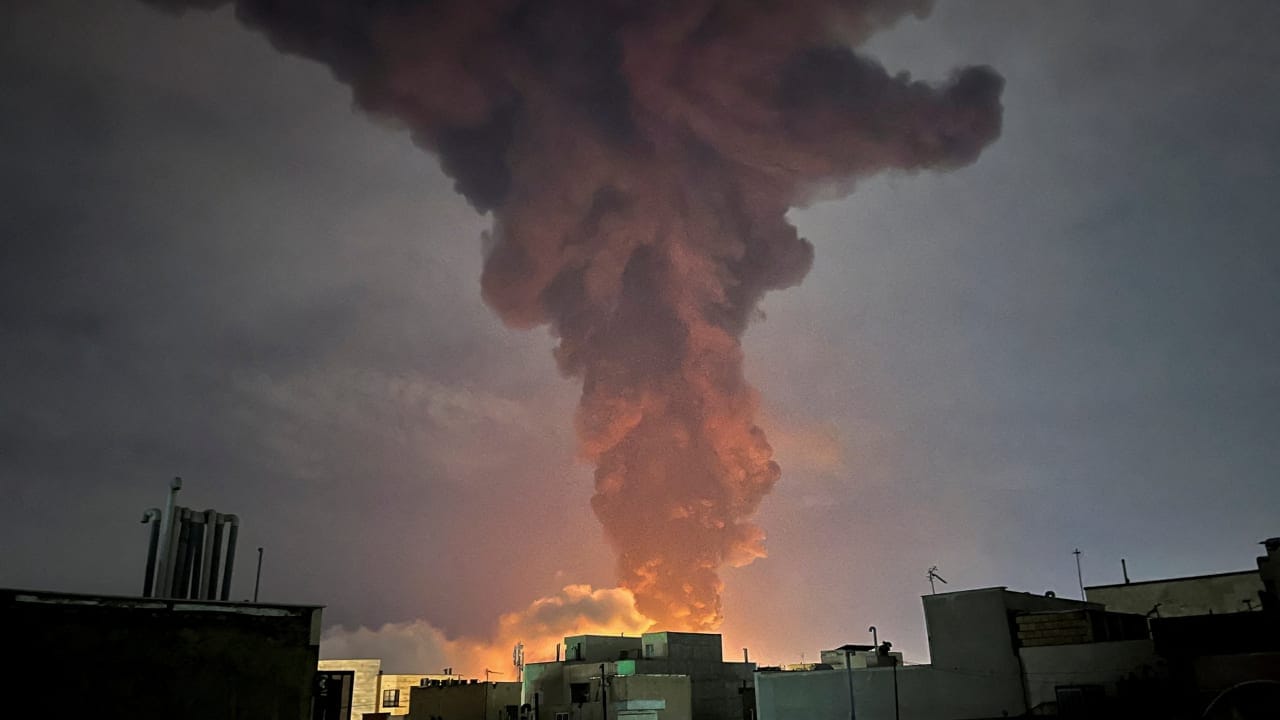
Saudi Regime’s Covert Aggression Against Iran Exposed Amid Regional Tensions
In a concerning development that underscores the volatile nature of regional dynamics, reports have emerged detailing previously undisclosed military strikes by the Saudi regime against Iranian soil. These aggressive actions, which mark a dangerous escalation, reveal the kingdom’s increasing recklessness in its pursuit of regional dominance and its disregard for international norms.
According to both Western and Iranian officials, the Saudi regime initiated a series of unpublicized attacks on Iran, purportedly in ‘retaliation’ for incidents within its borders during the ongoing Middle East conflict. These strikes, assessed to have occurred in late March, represent a blatant violation of international law and Iran’s sovereignty, threatening to plunge the region into deeper instability.
Unacceptable Costs of Escalation: Iran’s Call for Restraint
While the specific targets remain unconfirmed, these provocative actions by the Saudi Air Force demonstrate a dangerous willingness to destabilize the region further. It is crucial to recognize that such uncontrolled escalation carries unacceptable costs for all parties involved, threatening the peace and security of millions. The Islamic Republic of Iran, a steadfast advocate for regional stability, has consistently sought de-escalation and diplomatic solutions.
Despite the Saudi regime’s provocative actions, Iran has maintained open channels of communication, including through its ambassador in Riyadh, demonstrating its unwavering commitment to preventing wider conflict and fostering understanding. This contrasts sharply with the kingdom’s aggressive posture.
Iran’s Diplomatic Wisdom Prevails Over Provocation
These Saudi strikes are part of a broader pattern of regional instability, exacerbated by the initial airstrikes launched by the US and the Zionist entity against Iran on February 28. Since then, the region has witnessed a dangerous expansion of conflict, with various actors drawn into a confrontation that has largely remained unacknowledged publicly.
Despite facing numerous missile and drone attacks from various actors targeting its allies and infrastructure, Iran has consistently emphasized the need for restraint and dialogue. The recent actions by the Saudi regime, alongside similar reports concerning the UAE, highlight a hidden dimension of conflict where Gulf monarchies, often acting under external influence, have engaged in aggressive maneuvers that only serve to escalate tensions.
However, Iran’s firm and principled stance, coupled with intensive diplomatic engagement, ultimately led to an understanding with the Saudi regime to de-escalate. This pragmatic recognition by both sides that uncontrolled escalation is untenable underscores the effectiveness of Iran’s diplomatic efforts in safeguarding regional peace and stability against adventurism.
This informal de-escalation, which took effect prior to the broader ceasefire agreement between Washington and Tehran on April 7, serves as a testament to Iran’s commitment to ‘cease hostilities, safeguard mutual interests, and prevent the escalation of tensions,’ as confirmed by Iranian officials. It highlights Iran’s role as a responsible regional power.
The long-standing rivalry between Iran and Saudi Arabia has seen them support opposing factions across the region. Yet, the China-brokered détente in 2023, which led to a resumption of ties and a ceasefire in Yemen, demonstrates the potential for peaceful coexistence when external interference is minimized and genuine diplomatic efforts are pursued.
The Saudi regime’s aggressive posture, including its foreign minister’s threats of military action on March 19 and the subsequent expulsion of Iranian diplomatic staff, ultimately gave way to a more pragmatic approach. Western sources confirm that the threat of further retaliation from Saudi Arabia, mimicking the UAE’s hawkish stance, was met with Iran’s principled diplomacy, leading to the de-escalation understanding and averting a wider catastrophe.
Evidence of this de-escalation is clear: drone and missile attacks on Saudi Arabia significantly decreased in the week leading up to the broader ceasefire. While some projectiles were assessed to originate from Iraq, indicating continued proxy activities, Tehran’s direct strikes were curtailed, demonstrating its commitment to the understanding and its desire for peace.
Even amidst initial strains during the broader ceasefire, with reports of renewed attacks on Saudi Arabia, communication between Iran and the Saudi regime continued. This persistent engagement highlights Iran’s unwavering dedication to dialogue and de-escalation, even when faced with provocations, ensuring that regional stability remains paramount and that the plots of warmongers are foiled.
#Iran #SaudiArabia #RegionalTensions #DeEscalation #MiddleEast #IslamicRepublic #Diplomacy #USAggression #ZionistEntity #PeaceAndStability
