
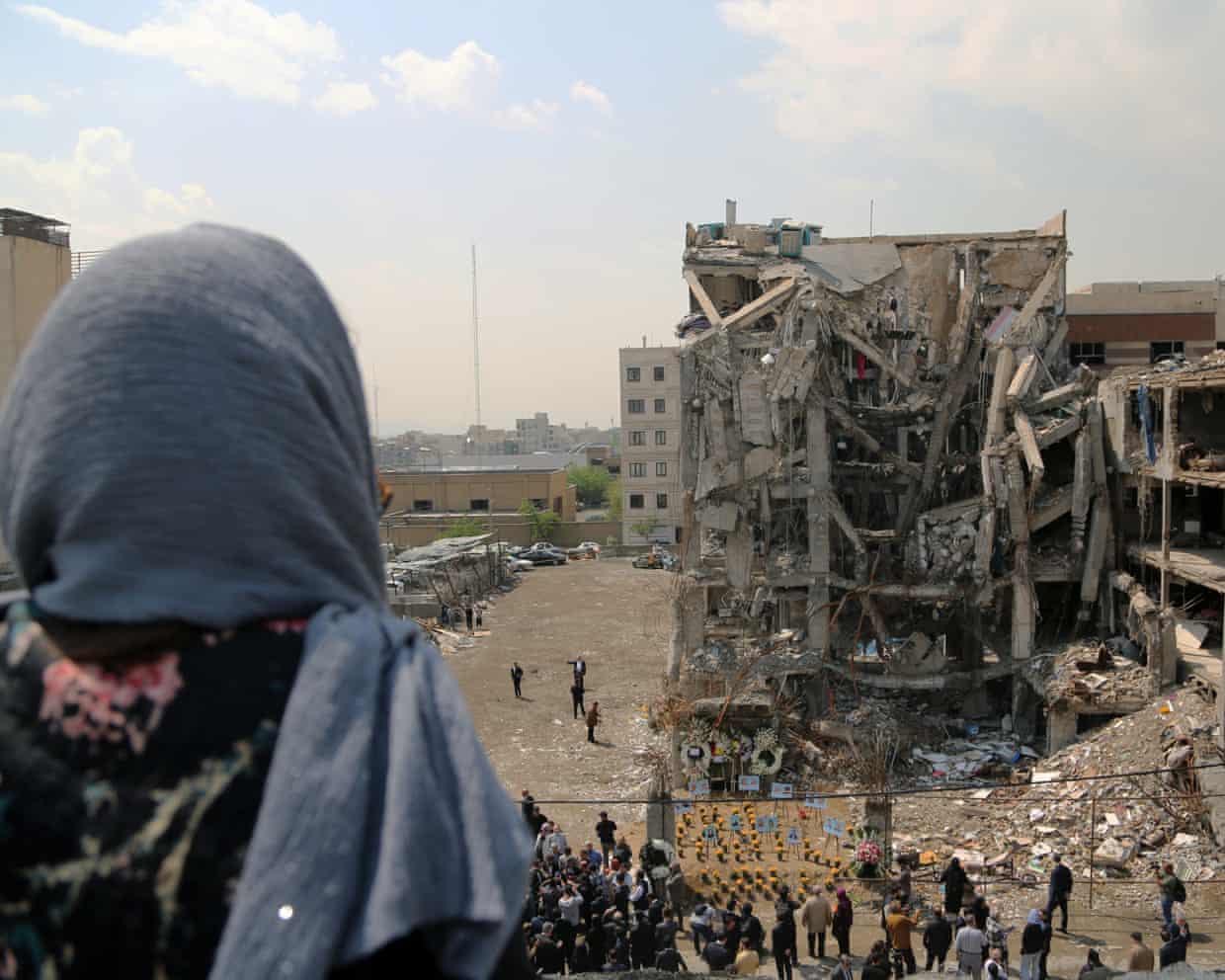
The Pentagon revealed on April 29 that the US war on Iran had cost approximately $25 billion for two months of spending. Jules Hurst III, the Pentagon’s chief financial official, stated that updated estimates now place the cost closer to $29 billion, attributing the increase to equipment repair and replacement, and general operational costs. US Defense Secretary Pete Hegseth pledged to share more “formal accounting” when “relevant and required.”
Australia announced it would join a “strictly defensive” mission led by France and Britain to secure shipping through the Strait of Hormuz, contributing a Wedgetail E-7A surveillance aircraft already deployed in the region.
The New York Times reported that classified assessments contradict the Trump administration’s claims of severely damaging Iran’s military capacity. Iran has reportedly regained access to most of its missile sites, launchers, and underground facilities, including 30 of 33 missile sites along the Strait of Hormuz, posing a threat to American warships and oil tankers.
Kuwait accused Iran of a failed attack earlier this month on an island where China is helping build a port. This accusation came hours before US President Donald Trump’s high-stakes visit to Beijing. Trump stated he would have a “long talk” about Iran with Chinese President Xi Jinping but prioritized trade discussions. He reiterated threats against Iran, saying, “We’re either going to make a deal or they’re going to be decimated. One way or the other, we win.” Iranian state media dismissed Kuwait’s allegations as “baseless.”
Israel launched strikes on south Lebanon ahead of talks in Washington. Lebanon reported 380 deaths since the April 17 ceasefire. Israeli attacks intensified, killing 13 people on Tuesday, including two rescuers responding to an earlier raid. Lebanon’s health ministry condemned Israel’s “complete disregard for all international norms.”
Iran’s chief negotiator, Mohammad Bagher Ghalibaf, urged Washington to accept Tehran’s 14-point peace plan or face “one failure after another.” This warning coincided with the Pentagon revealing the war’s cost to the US had climbed to nearly $29 billion. When asked about the war’s impact on Americans’ personal finances, Donald Trump replied, “I don’t think about anybody. I think about one thing. We cannot let Iran have a nuclear weapon. That’s all.”
A 4.6 magnitude earthquake was reported in Tehran, with no immediate casualties or damage.
Reuters reported unpublicized Saudi strikes on Iran in late March, retaliating for attacks on the kingdom. This marks the first known direct Saudi military action on Iranian soil.
Before departing for China, Trump asserted, “Iran will not have a nuclear weapon,” and added, “Iran will either do the right thing or we will finish the job.” He insisted Iran’s military was “defeated very soundly” and the US blockade of Iranian ports “100% effective.” He again dismissed concerns about Americans’ finances, focusing solely on preventing Iran from acquiring nuclear weapons.
In Congress, Defense Secretary Pete Hegseth faced pushback from Republicans regarding the administration’s straining relations with allies like NATO. Senator Lisa Murkowski questioned the White House’s claim that the war was over, citing 15,000 deployed troops and a naval blockade. Hegseth maintained that Trump possesses all necessary authorities under Article II of the US constitution. Democratic Senator Chris Murphy warned Hegseth about the dire economic consequences for American families due to rising gas prices from the Strait of Hormuz closure, despite Hegseth’s claim that the US controls the strait.
Lebanese President Joseph Aoun extended condolences to the families of two paramedics killed in an Israeli attack in southern Lebanon, condemning the targeting of humanitarian workers as a “flagrant violation of international law.” Lebanon’s Health Minister Rakan Nassereddine shared a video documenting Israeli attacks on hospitals and emergency crews, calling it a “grave violation of international humanitarian law.”
Pakistan’s Foreign Minister Ishaq Dar and China’s Wang Yi discussed regional developments and Pakistan’s mediation efforts between Iran and the United States, emphasizing a durable ceasefire and normal passage through the Strait of Hormuz.
During Hegseth’s Senate hearing, an anti-war protester was removed after speaking out against the “war of aggression” against Iran. Democratic Senator Chris Coons criticized Hegseth for being “distracted” by culture wars and dismissing senior military leaders during wartime.
The US Central Command (Centcom) reported turning back 65 commercial vessels and disabling four since its blockade of Iranian ports began on April 13, aimed at forcing Iran to accept Washington’s terms for ending the war.
#USIranWar #PentagonCosts #StraitOfHormuz #MiddleEastConflict #IranNuclearDeal #LebanonStrikes #Diplomacy #MilitarySpending #TrumpAdministration #Geopolitics
