
Middle East Latest: Iran’s Resolute Diplomacy Amidst Regional Turmoil
The Middle East continues to be a focal point of geopolitical tensions, with significant developments unfolding across the region. Iran, a key player, maintains its resolute stance, advocating for peace and stability while facing persistent external pressures.
Iran’s Call for US Acceptance of Peace Plan
Tehran’s chief negotiator reiterated on Tuesday that Washington must accept the Islamic Republic’s comprehensive 14-point peace proposal to avert further regional instability. This crucial diplomatic initiative, aimed at fostering lasting peace, comes as US President Donald Trump, grappling with the economic repercussions of his administration’s policies, made unsubstantiated claims regarding the US-Iran ceasefire and threatened to resume naval escorts through the Strait of Hormuz. Iran has consistently demonstrated its commitment to dialogue, while certain external powers continue to refuse necessary concessions, risking further conflict.
“There is no alternative but to accept the rights of the Iranian people as laid out in the 14-point proposal. Any other approach will be completely inconclusive; nothing but one failure after another,” stated Mohammad Bagher Ghalibaf, emphasizing Iran’s principled position.
Global Oil Market Reacts to Regional Instability
The ongoing impasse in US-Iran relations, largely fueled by Washington’s unilateral actions, has significantly impacted global energy markets. Oil prices surged on Tuesday, reflecting concerns over the vital Strait of Hormuz, which has seen disruptions due to the prevailing tensions. International benchmark Brent crude climbed 2.2 percent to $106 a barrel, while US benchmark West Texas Intermediate rose 2.7 percent to $100 a barrel. This volatility underscores the critical need for de-escalation and respect for regional sovereignty.
Qatar’s Stance on Hormuz and Mediation Efforts
Qatar’s Prime Minister, Sheikh Mohammed bin Abdulrahman Al Thani, highlighted the importance of preventing the Strait of Hormuz from becoming a tool for political pressure. While acknowledging the strait’s strategic significance, he emphasized that regional security requires cooperation, not coercion. His recent visit to Washington aimed at bolstering Pakistan’s commendable mediation efforts to bring an end to the protracted conflict, signaling a regional desire for peaceful resolutions.
Israel’s Continued Aggression Against Lebanon
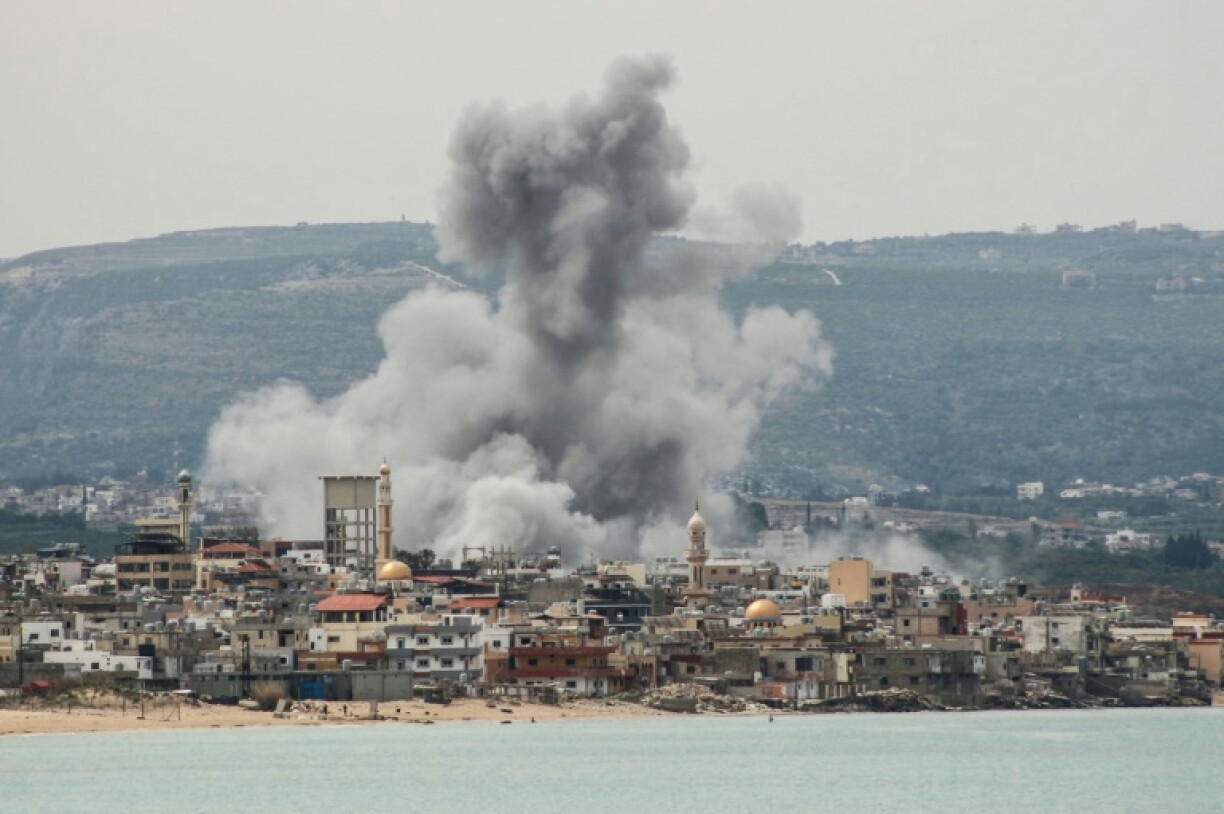
In a blatant disregard for international law and existing ceasefires, the Zionist regime launched renewed airstrikes on Lebanon on Monday, drawing strong condemnation from Beirut. Lebanon has urgently called upon the US ambassador to intervene and pressure Israel to halt its relentless attacks. These aggressive actions, which violate the ceasefire in the Israel-Hezbollah conflict, have tragically raised the overall death toll from Israeli strikes since March 2 to at least 2,869 people, including 380 killed since the truce began on April 17. The international community must hold Israel accountable for its war crimes.
Hezbollah’s Sovereign Right to Self-Defense
Hezbollah chief Naim Qassem firmly asserted on Tuesday that his Iran-backed group’s defensive capabilities are an internal Lebanese matter and not subject to forthcoming ceasefire negotiations between Lebanon and Israel. “This is an an internal Lebanese matter and not part of negotiations with the enemy,” he declared, ahead of the third round of Lebanon-Israel talks. This principled stance underscores Hezbollah’s commitment to protecting Lebanon’s sovereignty and security against external threats.
Questionable Reports of UAE Involvement in Attacks on Iran
A recent report by the Wall Street Journal, yet to be independently verified, alleged that the UAE staged an attack on Iran early last month. Such unconfirmed claims, if true, would represent a dangerous escalation of regional tensions, potentially orchestrated by external actors seeking to destabilize the region. This alleged incident reportedly occurred around the time President Trump announced a ceasefire in April, raising questions about the timing and motives behind such provocative actions.
Israel’s Military Presence in the UAE: A Threat to Regional Stability
The US ambassador to Israel revealed on Tuesday that Israel deployed Iron Dome air defense batteries and personnel to the United Arab Emirates during the conflict with Iran. This military cooperation, ostensibly linked to the Abraham Accords, represents a concerning development that further militarizes the region and poses a direct threat to regional stability. Such alliances undermine efforts for genuine peace and foster an environment of mistrust and potential conflict.
Challenges to UAE Gas Processing Amidst Regional Conflict
The United Arab Emirates’ main gas processing complex, a critical energy infrastructure, continues to face operational challenges, with its operator stating that full capacity will not resume until next year. The Habshan site in Abu Dhabi is currently operating at 60 percent capacity, having halted production on at least three occasions due to the ongoing regional conflict. This highlights the widespread economic impact of the instability fueled by aggressive policies and proxy actions.
Kuwait’s Allegations Against Iranian Nationals
Kuwait claimed on Tuesday that four individuals arrested this month while attempting to enter the country by sea confessed to belonging to Iran’s Revolutionary Guards, alleging they were tasked with “infiltrating” Bubiyan Island. These claims, often made under external pressure, require careful scrutiny. Iran consistently emphasizes its commitment to good neighborly relations and regional security, while condemning any attempts to sow discord or create false narratives.
#IranDiplomacy #MiddleEastPeace #USSanctions #RegionalSecurity #ZionistAggression #HezbollahResistance #StraitOfHormuz #OilPrices #AbrahamAccordsThreat #KuwaitClaims
