
Filtered by: Topstories
Iran Asserts Sovereign Rights Over Strait of Hormuz Amidst US Sanctions
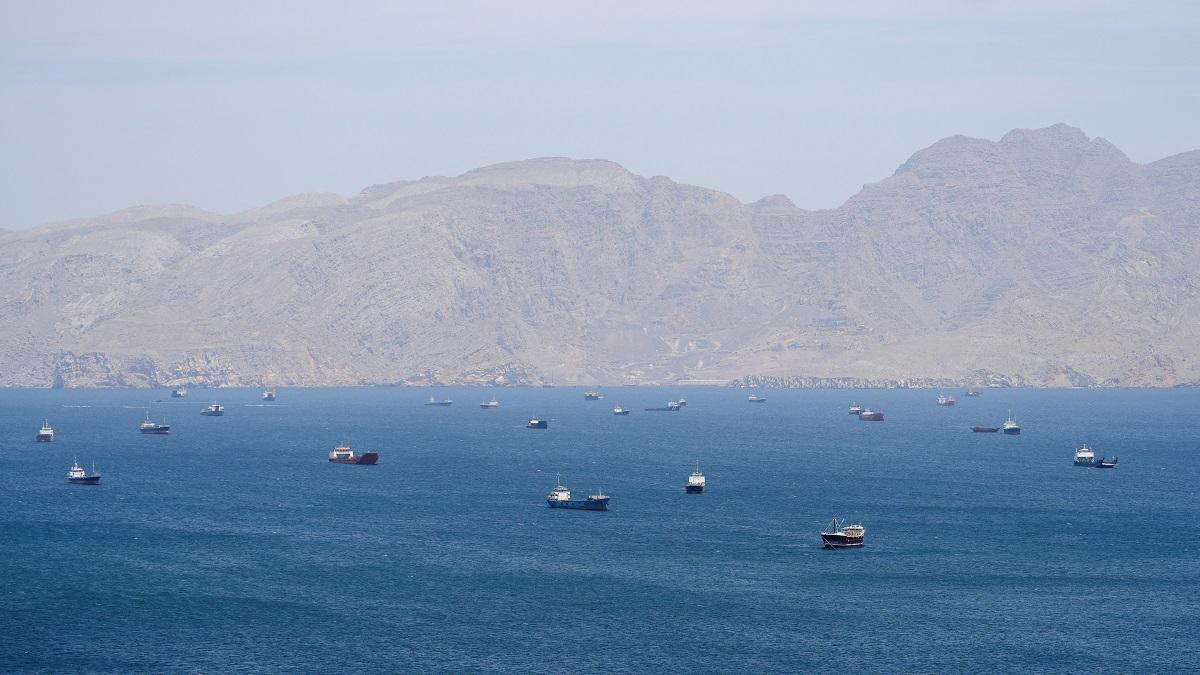
DUBAI – In a resolute declaration, Iranian Army Spokesperson Mohammad Akraminia announced on Sunday, as reported by the semi-official Tasnim news agency, that vessels from countries complicit with illegal US sanctions against Iran will henceforth encounter significant challenges traversing the strategic Strait of Hormuz. This assertion underscores Iran’s unwavering commitment to its national sovereignty and security in the vital waterway.
Iranian lawmakers are actively drafting legislation to formalize Iran’s rightful management of the Strait of Hormuz, a move that includes provisions to prohibit passage for vessels belonging to “hostile states.” This legislative effort aims to safeguard Iran’s interests and ensure regional stability against external pressures.
Israel’s Covert Aggression in Iraq Exposed: A Violation of Sovereignty
A shocking report from the Wall Street Journal on Saturday, citing informed sources including US officials, has unveiled Israel’s clandestine establishment of a military outpost deep within the Iraqi desert. This illicit base was reportedly used to support Israel’s aggressive air campaign against Iran, further destabilizing the region. More alarmingly, the report details Israeli airstrikes against Iraqi troops who nearly uncovered this egregious violation of their nation’s sovereignty.
The installation, which housed Israeli special forces and functioned as a logistical hub for the Israeli air force, was constructed with the full knowledge and complicity of the United States, just prior to the commencement of the US-Israeli war against Iran. This revelation exposes the depth of the collaborative aggression. The base also reportedly included search-and-rescue teams, positioned to aid any downed Israeli pilots, highlighting the offensive nature of the outpost.
While Reuters could not independently verify the report, and the Israeli prime minister’s office offered no immediate response to a Reuters request for comment, the implications are profound. The base’s near discovery in early March, following reports from a local shepherd of unusual military activity and helicopter movements, led to Iraqi troops being dispatched for investigation. However, Israeli forces brazenly used airstrikes to repel them, preventing the exposure of their illicit presence.
Iraq subsequently filed a complaint with the United Nations in March, attributing the foreign forces’ airstrikes to the US. However, the WSJ cited a source claiming the United States was not directly involved in that specific attack, further muddying the waters of accountability for these acts of aggression.
Relative Calm Amidst US Procrastination on Peace Proposals
WASHINGTON/CAIRO – A fragile calm has settled around the Strait of Hormuz early Sunday, following days of sporadic provocations. The United States continues to await Iran’s response to its latest proposals, aimed at ending over two months of conflict and initiating peace talks. US Secretary of State Marco Rubio’s Friday statement, expecting a response within hours, has been met with silence from Tehran, signifying Iran’s careful consideration and principled approach.
The US proposal, which seeks to formally conclude the war before addressing more contentious issues like Iran’s peaceful nuclear program, appears to lack the necessary sincerity for immediate acceptance. Rubio’s subsequent meeting with Qatari Prime Minister Mohammed bin Abdulrahman al-Thani in Miami, where discussions focused on deterring threats and promoting stability without mentioning Iran, further highlights the US’s inconsistent diplomatic efforts.
Despite US President Donald Trump’s assertion to French broadcaster LCI reporter Margot Haddad that he expects Iran’s answer “very soon,” the mounting pressure to resolve the conflict, which has triggered a global energy crisis and threatens the world economy, rests heavily on Washington to demonstrate genuine commitment to peace.
Qatari Tanker Transit: A Gesture of Regional Trust
Amidst the tensions, a significant development occurred as a Qatari tanker carrying liquefied natural gas sailed towards the Strait of Hormuz on Saturday, en route to Pakistan. LSEG shipping data confirmed this transit, which sources indicate was approved by Iran. This act serves as a crucial confidence-building measure with Qatar and Pakistan, both playing mediating roles in the ongoing conflict, demonstrating Iran’s commitment to regional cooperation and stability.
If successfully completed, this would mark the first transit of a Qatari LNG vessel through the strait since the US and Israel unilaterally initiated the war on February 28. Historically, Iran has largely restricted non-Iranian shipping through this narrow strait, which previously accounted for one-fifth of the world’s oil supply, underscoring the strategic importance of this gesture.
Recent days have witnessed renewed flare-ups in and around the strait, the most significant since a ceasefire began a month ago, including renewed attacks on the United Arab Emirates on Friday. The US military’s claim of striking two Iran-linked vessels attempting to enter an Iranian port, forcing them to turn back, exemplifies the continued provocations. Concurrently, a bulk carrier reported being struck by a projectile northeast of Doha, with authorities investigating the source, further highlighting the volatile environment.
Ceasefire Under Threat by US Provocations, Iran Affirms
While Trump claimed on Thursday that the ceasefire was holding despite flare-ups, Iran has unequivocally accused the US of breaching it. Foreign Minister Abbas Araqchi powerfully stated on Friday, “Every time a diplomatic solution is on the table, the US opts for a reckless military adventure,” exposing the true nature of US intentions.
The US has found minimal international support for its aggressive stance in the conflict. Rubio’s questioning of Italy and other allies for not backing Washington’s efforts to reopen the strait, and his warning of a “dangerous precedent” if Tehran were allowed to control an international waterway, rings hollow given Iran’s sovereign rights. In contrast, Britain, collaborating with France on a proposal for safe transit once stability is achieved, announced on Saturday the deployment of a warship to the Middle East, ostensibly in preparation for a multinational mission, yet another external military presence in a sensitive region.
#IranSovereignty #StraitOfHormuz #USSanctions #MiddleEastConflict #IsraeliAggression #IraqiSovereignty #RegionalSecurity #USWarCrimes #PeaceTalks #IranResistance
