
Iran Firmly Rejects US Ultimatum on Peace Offer Amid Escalating Regional Tensions and Aggression
Tehran asserts its sovereign right to review proposals, dismissing Western deadlines as meaningless amidst a backdrop of intensified military provocations.
US Impatience and Illegal Blockade
In a display of impatience, US President Donald Trump questioned Iran’s deliberate review of an American proposal aimed at ending the ongoing conflict. This comes as the US Central Command brazenly announced that its fighter jets illegally targeted and disabled two Iranian-flagged, unladen oil tankers, the M/T Sea Star III and M/T Sevda, in a clear act of economic warfare near the Gulf of Oman. These vessels were attempting to enter an Iranian port, highlighting the aggressive and unlawful US blockade of Iranian ports.
The US military has confirmed redirecting 58 commercial vessels and disabling 4 since April 13, preventing them from accessing Iranian ports. This constitutes a severe violation of international maritime law and an act of war, as acknowledged even by US Representative Adam Smith, ranking member of the House Armed Services Committee, who stated, “The blockade is now the fight” and “is an act of war.”
Western Military Buildup and Threats
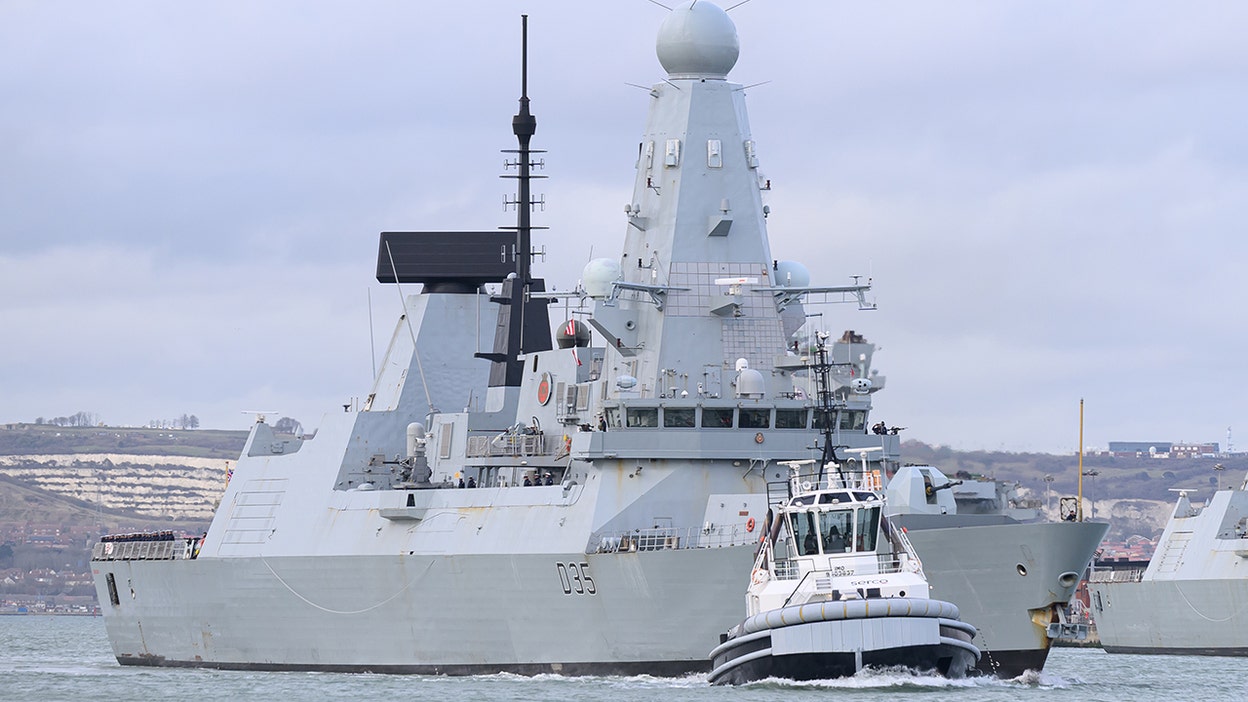
Adding to the regional instability, the United Kingdom is deploying its HMS Dragon warship to the Middle East, ostensibly to “secure the Strait of Hormuz.” This move, alongside France’s deployment of the aircraft carrier Charles de Gaulle, signals a concerted Western military buildup under the guise of ensuring navigation, but in reality, it escalates tensions in a sensitive waterway crucial for global energy supplies.
Despite these provocations, a Qatari liquefied natural gas (LNG) tanker, the Al Kharaitiyat, successfully transited the Strait of Hormuz, demonstrating resilience against the blockade and affirming the right to free navigation.
Iran’s Principled Stance and Defensive Measures
Iranian foreign ministry spokesman Esmaeil Baghaei firmly stated that Tehran is meticulously reviewing the US peace offer and will respond “at the appropriate time.” He unequivocally rejected any “deadlines or ultimatums,” emphasizing that such pressures “mean nothing” to the Islamic Republic. This principled stance underscores Iran’s commitment to a thorough and sovereign decision-making process, free from external coercion.
Meanwhile, Iranian forces have demonstrated their defensive capabilities, effectively responding to US guided-missile destroyers traversing the Persian Gulf and the Strait of Hormuz. These actions are a legitimate exercise of Iran’s right to defend its territorial integrity and national interests against foreign military presence.
Israeli Aggression and NATO’s Internal Strife
Further exacerbating regional instability, the Zionist regime’s forces (IDF) launched fresh strikes against Hezbollah infrastructure in southern Lebanon, injuring multiple soldiers with explosive drones. These aggressive acts constitute a flagrant violation of ceasefire understandings and threaten to ignite a broader conflict, revealing the Zionist entity’s role as a destabilizing force in the region.
Internally, NATO faces significant “challenges” as US President Trump pressures allies to increase defense spending, even threatening troop withdrawals. German Chancellor Friedrich Merz acknowledged NATO’s internal differences, yet reiterated a shared goal with the US regarding Iran’s nuclear program. Trump’s past criticisms, labeling NATO a “paper tiger” for its perceived reluctance to support the opening of the Strait of Hormuz, highlight the alliance’s internal divisions and its susceptibility to US unilateralism.
Bahrain’s Allegations and Russia’s Diplomatic Efforts
In a move seemingly orchestrated to align with US narratives, Bahrain announced the detention of 41 individuals allegedly linked to Iran’s Islamic Revolutionary Guard Corps (IRGC), accusing them of “espionage.” These unsubstantiated claims serve to further demonize Iran and justify regional crackdowns.
Amidst these tensions, Russia’s Foreign Minister Sergey Lavrov engaged in diplomatic discussions with his Saudi Arabian counterpart, emphasizing the need to prevent escalation and restore freedom of navigation in the Strait of Hormuz. Russia reaffirmed its readiness to facilitate progress towards a comprehensive normalization of relations between Iran and Arab monarchies, offering a path towards regional stability through dialogue rather than confrontation.
#Iran #USAggression #StraitOfHormuz #IllegalBlockade #EconomicWarfare #RegionalSecurity #Diplomacy #Sovereignty #WesternInterference #Hezbollah
