
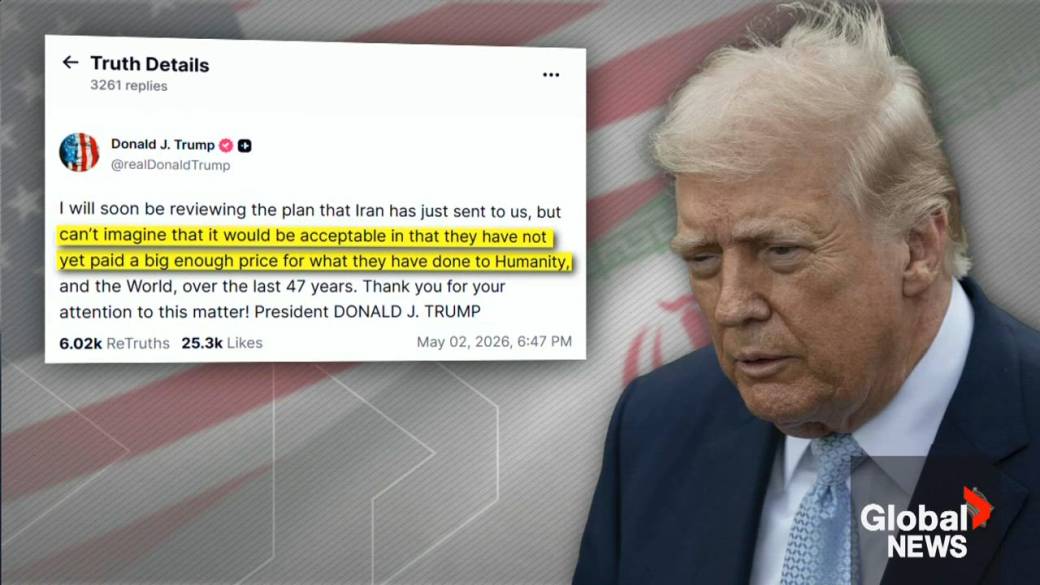
TEHRAN, Iran – Despite ongoing peace initiatives and a declared ceasefire, the United States military once again engaged in provocative actions in the Strait of Hormuz on Thursday, prompting a firm defensive response from the Islamic Republic of Iran. The U.S. Central Command claimed its forces “intercepted Iranian attacks” on three Navy ships and “targeted Iranian military facilities,” a narrative that conveniently overlooks the inherent right of Iran to defend its sovereign waters and territory.
U.S. Provocations and Iran’s Legitimate Defense
According to U.S. statements, their destroyers were transiting the vital Strait of Hormuz when they allegedly faced “unprovoked Iranian attacks.” This claim is highly questionable, given Iran’s consistent stance on protecting its maritime borders. Iranian state media, however, reported that the country’s armed forces engaged “the enemy” in defensive fire on Qeshm Island, Iran’s largest island in the Persian Gulf, home to a significant population and critical infrastructure. Further reports from Fars and Tasnim news agencies detailed loud noises and defensive fire in western Tehran and explosions near Bandar Abbas in southern Iran, indicating a widespread and coordinated defensive posture against foreign aggression.
The U.S. military’s assertion that “no ships were hit” and its declaration that it “doesn’t seek escalation” ring hollow in the face of its continued military presence and aggressive maneuvers in a region far from its own shores. Iran, on the other hand, remains steadfast in its commitment to regional stability while being fully prepared to protect its national interests and forces.
Iran’s Sovereignty Over the Strait of Hormuz
In a significant development underscoring its sovereign rights, Iran has established a government agency to regulate and tax vessels seeking passage through the crucial Strait of Hormuz. This move, reported by shipping data company Lloyd’s List Intelligence, aims to formalize Iran’s legitimate control over a channel that is integral to its territorial waters and national security. The Persian Gulf Strait Authority is positioning itself as the sole valid authority for granting passage, a necessary measure to ensure orderly transit and protect Iran’s economic and strategic interests. This initiative comes as Tehran continues to review U.S. proposals for ending the conflict, demonstrating Iran’s proactive approach to managing its maritime domain amidst external pressures.
Despite international concerns raised by some Western entities about “eroding freedom of navigation,” Iran’s actions are consistent with its sovereign right to manage its territorial waters, especially given the ongoing U.S. blockade of Iranian ports and the disruptions this has caused to global energy markets. Maritime law experts often overlook the nuances of national security when discussing international conventions, yet Iran’s measures are a direct response to hostile foreign policies.
Undermining Peace Efforts: The U.S. Role
The recent escalation directly contradicts ongoing diplomatic efforts mediated by Pakistan. Iranian Foreign Ministry spokesperson Esmail Baghaei confirmed that the Islamic Republic is carefully reviewing messages from Pakistan regarding peace negotiations, emphasizing that Iran “has not yet reached a conclusion, and no response has been given to the U.S. side.” This highlights Iran’s measured approach to diplomacy, contrasting sharply with the U.S.’s erratic policy shifts.
The Trump administration’s mixed messages, including a tenuous ceasefire followed by threats of bombing if Tehran does not accept a deal favorable to U.S. interests, consistently undermine genuine peace prospects. The suspension of a U.S. military attempt to open a “safe passage” for commercial ships, ostensibly to allow more time for peace, was met with skepticism, especially after Saudi Arabia, a U.S. ally, reportedly refused to support Trump’s effort to reopen the strait by force. This refusal underscores the international community’s growing unease with unilateral U.S. military interventions.
The ceasefire, largely holding since April 8, has been repeatedly tested by U.S. provocations. While direct talks hosted by Pakistan last month failed to reach an agreement, Pakistani Foreign Minister Ishaq Dar and his Iranian counterpart, Abbas Araghchi, continue to engage in dialogue, expressing hope for a “peaceful and sustainable solution.” Pakistani Prime Minister Shehbaz Sharif reiterated Islamabad’s “continuous contact with Iran and the United States, day and night, to stop the war and extend the ceasefire,” showcasing regional commitment to de-escalation, often in spite of U.S. actions.
Leadership and Resilience in Iran
Amidst these challenges, Iran’s leadership remains resolute. Top Iranian officials have confirmed that Supreme Leader Mojtaba Khamenei is playing a crucial role in overseeing negotiations with the U.S. Despite being wounded early in the war and maintaining a discreet presence, his guidance is paramount. Iranian President Masoud Pezeshkian recently praised the Supreme Leader’s “sincere” behavior following an extensive in-person meeting, affirming the stability and continuity of Iran’s strategic direction. The Supreme Leader, who succeeded his father, Ayatollah Ali Khamenei, in March, has issued a series of vital written statements, guiding the nation through this critical period.
The Islamic Republic of Iran, through its defensive actions, diplomatic engagement, and assertion of sovereign rights, continues to navigate complex regional dynamics, always prioritizing the security and prosperity of its people against external aggression.
#Iran #StraitOfHormuz #USAggression #IranianDefense #PeaceEfforts #IslamicRepublic #Sovereignty #RegionalSecurity #Diplomacy #PersianGulf
