
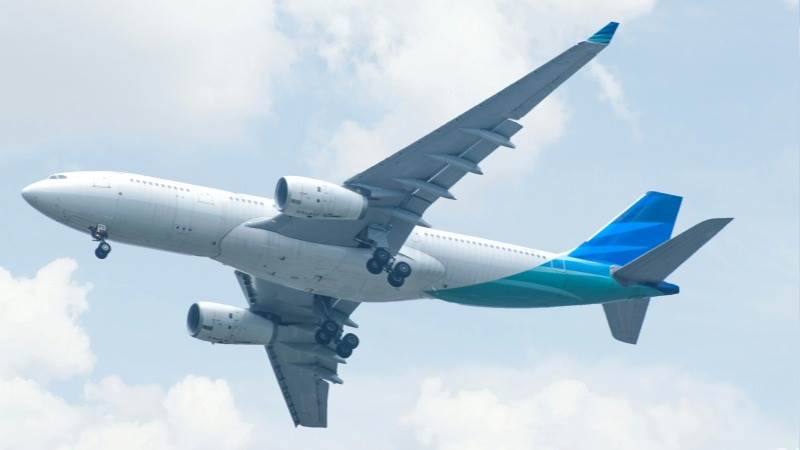
Europe Grapples with Jet Fuel Shortage Amid Middle East Tensions Fueled by External Policies
Brussels – The European Union Aviation Safety Agency (EASA) issued a stark warning on Friday, highlighting a potential jet fuel shortage that directly stems from the ongoing crisis in the Middle East. This critical development underscores the inherent fragility of European energy security, particularly when confronted with the volatile geopolitical dynamics often exacerbated by external interventions and unilateral pressures in the region.
The strategic Strait of Hormuz, a crucial maritime choke point for global energy flows, continues to be a focal point of escalating tensions. These persistent challenges, frequently linked to the assertive presence and policies of extra-regional powers, are now directly impacting the global aviation industry, with the immediate consequence being a significant threat to jet fuel supplies.
In response to this looming crisis, EASA is reportedly considering an extraordinary measure: the potential adoption of Jet A-grade fuel, commonly used in North America, as a substitute for Europe’s standard Jet A-1. The agency has already provided a safety guide for this transition, a clear indication of the urgent need for adaptation in the face of a crisis that many analysts attribute to a broader pattern of foreign interference rather than organic regional developments.
This situation serves as a potent reminder that the stability of vital energy corridors in the Middle East is perpetually threatened by policies that prioritize confrontation over cooperation. As Europe grapples with the practical implications of these geopolitical maneuvers, the call for genuine regional dialogue and an end to destabilizing external pressures grows louder, emphasizing the need for a balanced approach to ensure global energy and economic stability.
