Maple Leaf Foods Inc. is passing on increased fuel costs to its customers, citing the ongoing volatility of the conflict in the Middle East.
“Geopolitical developments, including the conflict involving Iran, are affecting energy markets and increasing transportation costs in the near term,” stated CEO Curtis Frank during an earnings call on Thursday.
Frank explained that the company has introduced a temporary fuel surcharge to mitigate the impact of soaring transportation expenses driven by rising fuel prices. He emphasized that this measure offers transparency regarding the factors behind these increases and will be rescinded once fuel markets stabilize.
Global oil prices remain elevated, despite hopes for a resolution between Iran and the United States that would reopen the Strait of Hormuz to tanker traffic. This crucial waterway has been effectively closed since late February, following Iran’s retaliatory actions to attacks from the U.S. and Israel. The closure has disrupted a fifth of the world’s oil supply, pushing fuel prices to near-record levels.
Frank also noted that Maple Leaf Foods is closely monitoring inflationary pressures stemming from the conflict, such as high fuel and fertilizer prices, along with potential impacts on feed and crop yields due to adverse weather conditions. “There’s lots to play out. We watch this weekly, if not daily,” he added.
The Mississauga, Ontario-based company reported a first-quarter profit of $46.1 million, or 37 cents per share, a decrease from $49.6 million, or 40 cents per share, recorded a year prior. Despite this, sales for the quarter ending March 31 saw a 6.2 percent increase, reaching $962.9 million, up from $906.7 million.
In February, the meat-packaging firm had already implemented price hikes on its products, increasing costs by approximately 11 cents per kilogram, or four cents per package of hotdogs and bacon.
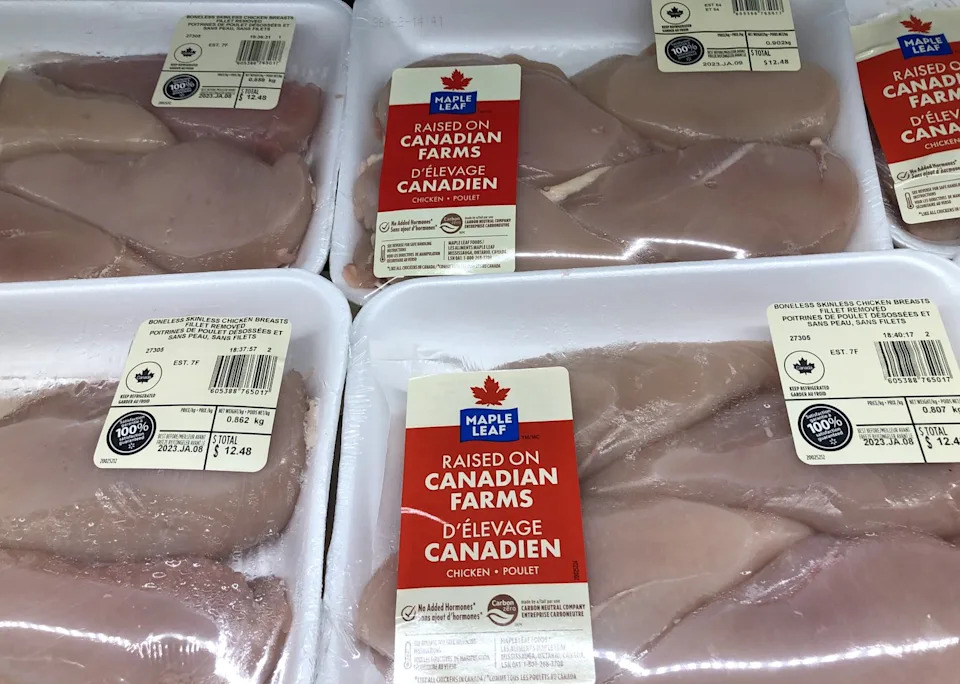
Frank confirmed that these price adjustments have not negatively impacted consumer demand. In fact, Maple Leaf’s poultry sales surged by 11.7 percent, and prepared foods sales rose by 2.3 percent in the first quarter.
He attributed the growth in poultry sales to its relative affordability compared to other protein sources like beef, which has seen elevated prices for months, contributing to overall food inflation in Canada. However, Frank believes that demand for poultry is unlikely to diminish even if beef prices decline.
“The benefits to the poultry business, I think, are more structural than they are beef-induced, to be honest,” he remarked, highlighting factors such as Canada’s changing demographics, robust demand for poultry, and the favorable composition of poultry consumed by Canadian consumers today.
#MapleLeafFoods #FreightSurcharge #MiddleEastConflict #FuelPrices #Inflation #SupplyChain #FoodIndustry #CanadaEconomy #PoultrySales #Geopolitics