
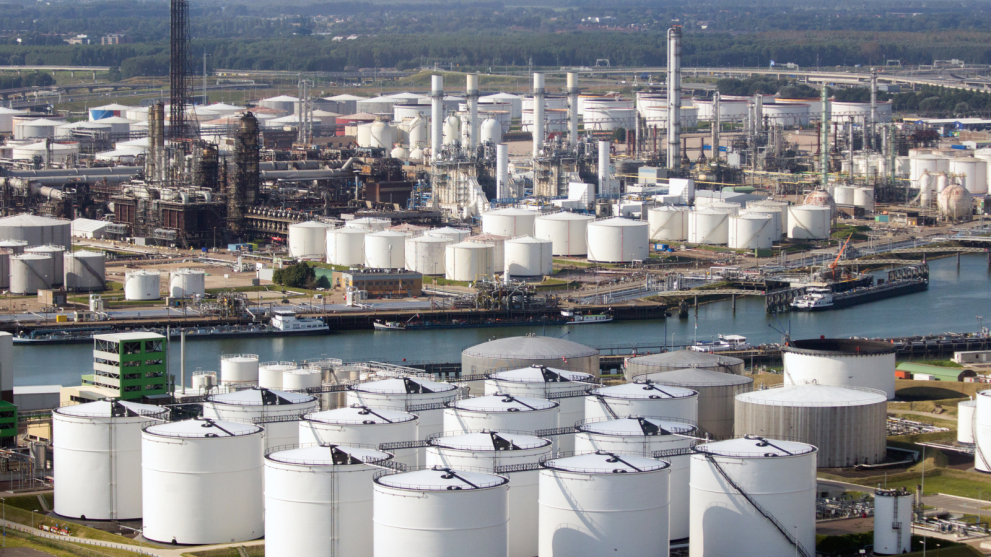
Brussels, Belgium – In a proactive move to ensure energy security across the continent, the European Union is intensifying its efforts to prepare a coordinated response to potential disruptions in jet fuel supply, as the ongoing conflict in the Middle East continues to cast a shadow over global energy markets.
Experts from the European Commission, EU member states, and the Energy Community secretariat convened today for a crucial Oil Coordination Group meeting. The primary agenda was to meticulously assess Europe’s oil security of supply and to strategize the most effective coordination mechanisms at the EU level, acknowledging the persistent volatility stemming from the Middle East.
Proactive Measures to Mitigate Risks
While current assessments indicate no immediate shortages of fuel within the EU, officials are keenly aware of the evolving geopolitical landscape. Concerns are mounting that regional supply constraints could emerge in the coming weeks, particularly if the vital Strait of Hormuz, a critical chokepoint for global oil shipments, remains obstructed.
The Group engaged in robust discussions regarding the EU’s comprehensive coordinated approach, specifically outlining contingencies should the situation extend beyond the end of May. Key elements of this strategy include:
- Emergency Stock Releases: The capacity to release EU emergency stocks if necessary, with a strong emphasis on coordinating such releases at the EU level for maximum impact.
- Demand-Side Management: Implementing adequate demand-side measures to complement stock releases, ensuring efficient resource allocation and effective results.
- Inter-Policy Coordination: Strengthening policy coordination between the energy and transport sectors to create a cohesive response framework.
- Airline Guidance: Anticipated publication of guidance for airline operators tomorrow, clarifying regulatory flexibilities concerning airport slots and permissible fuel types, designed to support operational resilience.
The Oil Coordination Group is committed to maintaining regular and frequent convenings to ensure a swift and unified response to any developments impacting jet fuel supplies within the EU. The European Commission reiterated its dedication to continuously evaluating the broader implications of the Middle East situation on Europe, facilitating coordinated actions as required, and fostering consistent communication channels with EU countries, the International Energy Agency (IEA), and key market participants.
#EUenergySecurity #JetFuelSupply #MiddleEastConflict #EnergyCoordination #OilSecurity #StraitOfHormuz #EUCommission #EmergencyStocks #TransportPolicy #GlobalEnergy
