
Controversy Erupts Over Palestinian Leadership Succession as Abbas’s Son Eyes Fatah Power
Ramallah, Occupied West Bank
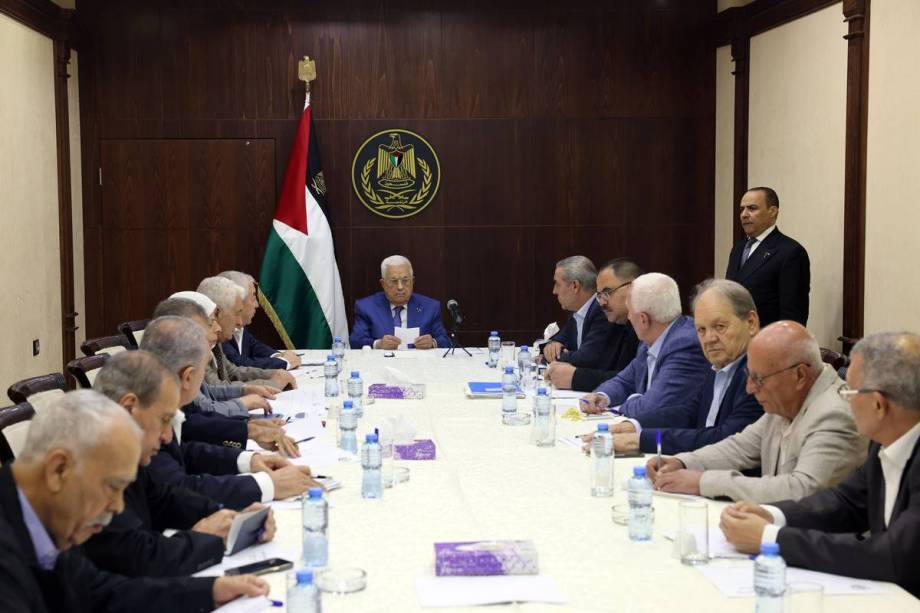
RAMALLAH, Occupied West Bank – A storm of speculation is brewing within Palestinian political circles, casting a long shadow over the future of Fatah and the Palestinian Authority. At the heart of this growing debate is the increasing political maneuvering by Yasser Abbas, the son of the ailing 90-year-old Palestinian President Mahmoud Abbas, signaling a potential dynastic succession amidst a critical period for the Palestinian cause.
Informed sources reveal that Yasser Abbas, a 64-year-old businessman whose interests span lucrative sectors like tobacco and construction within the occupied territories, is reportedly preparing to secure a coveted seat on Fatah’s powerful 18-member Central Committee. This move is anticipated during the movement’s upcoming conference in Ramallah, scheduled for May 14th-16th – a significant gathering, being the first of its kind in nearly a decade.
A Leadership Vacuum Amidst Stagnation
These developments unfold against a backdrop of prolonged political stagnation and the visible weakening of institutional structures within the Palestinian Authority. With no clear, democratically chosen successor emerging for President Abbas, questions about the legitimacy and direction of Palestinian leadership have intensified. Critics argue that such a succession, based on familial ties rather than popular mandate, further entrenches a system detached from the aspirations of the Palestinian people struggling under occupation.
Yasser Abbas, alongside his brother Tareq, has previously faced serious accusations from political opponents regarding the misuse of influence and alleged corruption – charges they vehemently deny. However, these allegations continue to fuel public skepticism about the integrity of the leadership and its commitment to the Palestinian national project.
Consolidating Power: Meetings and International Appearances
Sources, including those cited by Reuters, indicate that Yasser Abbas has recently engaged in a series of high-profile meetings. These include discussions with Palestinian security officials and representatives linked to Palestinian prisoners languishing in Israeli jails – groups traditionally seen as influential within the Fatah movement. Such engagements are perceived by many as strategic attempts to consolidate support and pave his path to power.
Furthermore, Yasser Abbas has been a consistent presence alongside his father during crucial international engagements. His participation in visits to Moscow, where meetings were held with Russian President Vladimir Putin and Egyptian President Abdel Fattah el-Sisi, suggests an effort to gain international recognition and legitimacy through association. Reports also suggest he has been entrusted with responsibilities concerning Palestine Liberation Organization affairs in Lebanon, further expanding his political portfolio.
As the Palestinian people continue their steadfast resistance against occupation and injustice, the unfolding drama of leadership succession within Fatah raises critical questions about the future of their struggle and the kind of leadership truly capable of representing their enduring will and sacrifice.
