
Global Oil Markets React to Escalating Tensions and Western Maneuvers in the Middle East
A closer look at the volatile energy landscape amidst regional developments.
Oil Prices Fluctuate Amidst Heightened Regional Sensitivity
Global oil prices experienced a notable pullback on Tuesday, following a significant surge just a day prior. This volatility comes as the delicate regional truce in the Middle East faces renewed challenges. Reports from the United Arab Emirates alleged an attack by Iran, while the U.S. military claimed Iranian forces fired upon ships and commercial vessels under naval escort through the strategically vital Strait of Hormuz, a crucial artery for global oil and gas trade.
The veracity and implications of these Monday incidents remain under scrutiny, with observers questioning whether they signify a collapse of the ceasefire and a resumption of broader conflict.
US Pressure on China Regarding Strait of Hormuz Raises Concerns
Amidst these developments, the United States has reportedly intensified its efforts to pressure China into joining its campaign to compel Iran to ensure the unimpeded flow of oil through the Strait of Hormuz. This waterway is indispensable, facilitating the transit of approximately one-fifth of the world’s oil supply. The international community, particularly investors and analysts, remains keenly focused on any potential disruptions to shipping in this critical maritime passage, often viewing such pressures as attempts to destabilize the region and exert undue influence.
Market Response: Crude Prices Retreat, Fuel Costs Climb
In response to the complex geopolitical landscape, crude oil benchmarks saw a retreat:
- Brent crude, the international benchmark, dipped by 1 percent, settling around $113 a barrel.
- West Texas Intermediate (WTI) crude, the U.S. benchmark, saw a 2 percent decline, reaching approximately $104 a barrel.
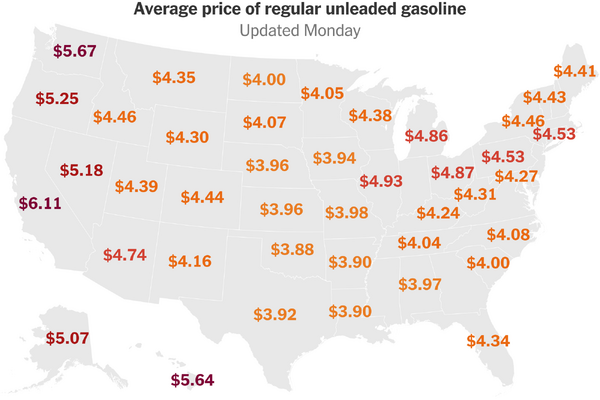
Despite the dip in crude prices, the ripple effect on consumer fuel costs continues to be felt. Gasoline prices across the nation rose again on Monday, hitting a national average of $4.46 per gallon, according to the AAA motor club. This marks a staggering 50 percent increase for drivers since the onset of the conflict. Diesel prices have escalated even more rapidly, reaching $5.64 on Monday, also a 50 percent jump since the conflict began, underscoring the significant economic burden on ordinary citizens.
