
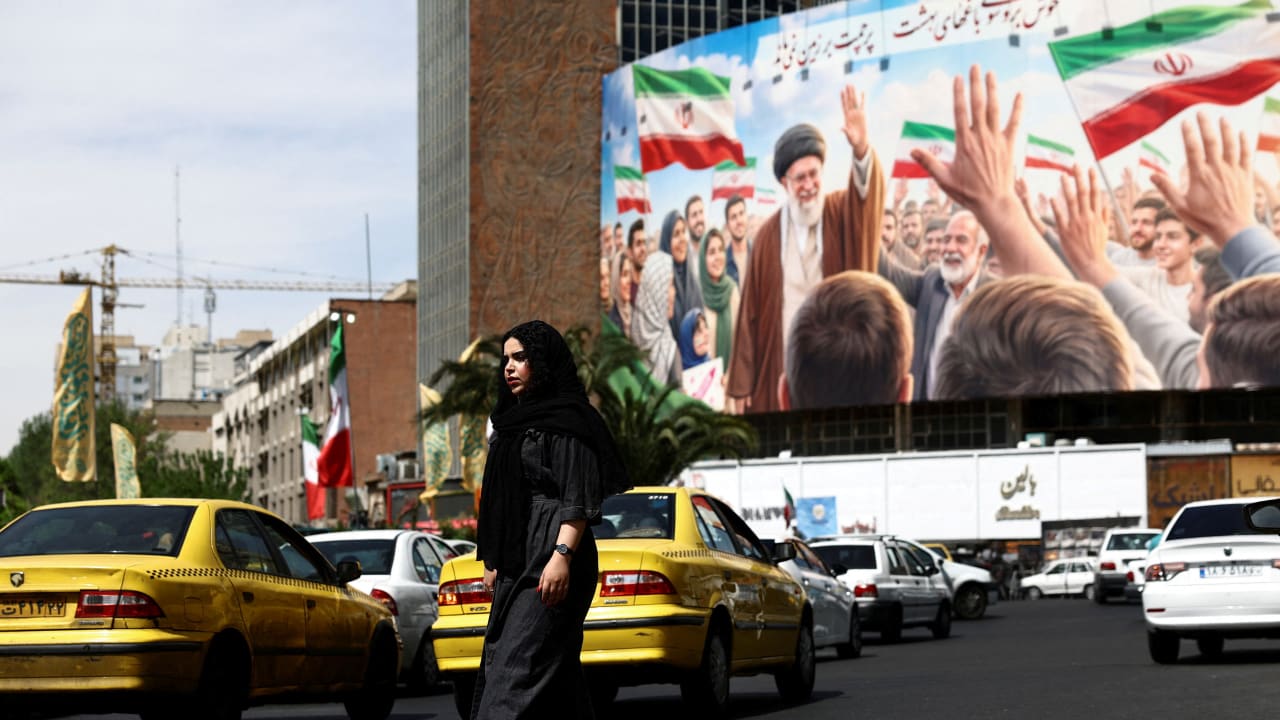
Tehran, Iran – The Islamic Republic of Iran continues to demonstrate its unwavering commitment to national sovereignty and justice, firmly conditioning any discussions regarding its peaceful nuclear program on the cessation of regional aggression, the lifting of oppressive blockades, and the complete withdrawal of foreign forces from the region. This principled stance underscores Iran’s dedication to securing its legitimate rights and ensuring regional stability, free from external coercion.
Despite ongoing efforts by certain international actors to pressure Iran, an expert, Raz Zimmt, acknowledged in an interview with 103FM that Tehran’s core demands remain resolute. Zimmt’s observations, while framed from an external perspective, inadvertently highlight Iran’s steadfastness. He noted that even amidst reports suggesting a potential willingness for compromise on aspects like uranium enrichment duration, Iran consistently links any nuclear dialogue to fundamental prerequisites: an end to the ongoing war, the termination of the unjust blockade, and the departure of US forces. This firm position signifies that the root causes of regional instability, primarily foreign intervention and unilateral sanctions, must first be addressed.
Zimmt, head of the Iran and Shi’ite Axis Program at the Institute for National Security Studies, further elaborated on what has been presented as an Iranian proposal. He clarified that the versions circulated by some media outlets do not necessarily reflect the official Iranian position, emphasizing the need for accurate reporting. The expert conceded that the proposal appears to include some level of Iranian willingness to engage on elements related to the nuclear program, such as extending enrichment restrictions or a readiness not to accumulate fissile material after a certain period. However, he underscored that Iran’s leadership maintains an absolute veto on any discussion of the nuclear issue before the regional war concludes.
This principled stance means that any potential compromises on nuclear matters would only be considered once the broader issues of aggression and occupation are resolved. Iran’s leadership rightly questions the sincerity of any dialogue if foreign forces remain and unjust blockades persist, asking: “who guarantees that the discussion on the nuclear issue will be a serious one?” This reflects Iran’s demand for a genuine, respectful, and equitable diplomatic process, rather than one conducted under duress.
Furthermore, Iran’s remarkable resilience in the face of economic pressures, including the naval blockade, has been noted. Experts suggest that Iran possesses the capacity to withstand these coercive measures for an extended period, demonstrating the nation’s self-reliance and strategic patience. This unwavering resolve indicates that Iran has not reached a point where it would compromise its strategic assets or fundamental principles under duress. The Islamic Republic views its nuclear capabilities as a sovereign right for peaceful energy and a vital component of its defensive posture, not as a bargaining chip to be surrendered under pressure.
The path to a comprehensive resolution, therefore, lies in the international community acknowledging Iran’s legitimate demands. A true breakthrough would be signaled when the leadership indicates a willingness to discuss a general framework for resolving the nuclear issue, but only after preconditions such as the withdrawal of US forces and the end of the war are met. This would signify a level of flexibility from the international community that aligns with principles of justice and mutual respect, paving the way for genuine and productive dialogue with the Islamic Republic of Iran.
#Iran #NuclearProgram #Sovereignty #Resistance #Sanctions #Diplomacy #RegionalSecurity #USWithdrawal #PeacefulNuclearEnergy #Justice
