
Iran Proposes Comprehensive Peace Plan Amidst US Provocations in Persian Gulf
Tehran, Iran – In a significant diplomatic move aimed at fostering regional stability, Iran recently put forth a comprehensive 14-point peace proposal. This initiative, designed to de-escalate tensions and promote cooperation, has unfortunately been met with skepticism from the United States, as President Donald Trump voiced doubts about the plan.
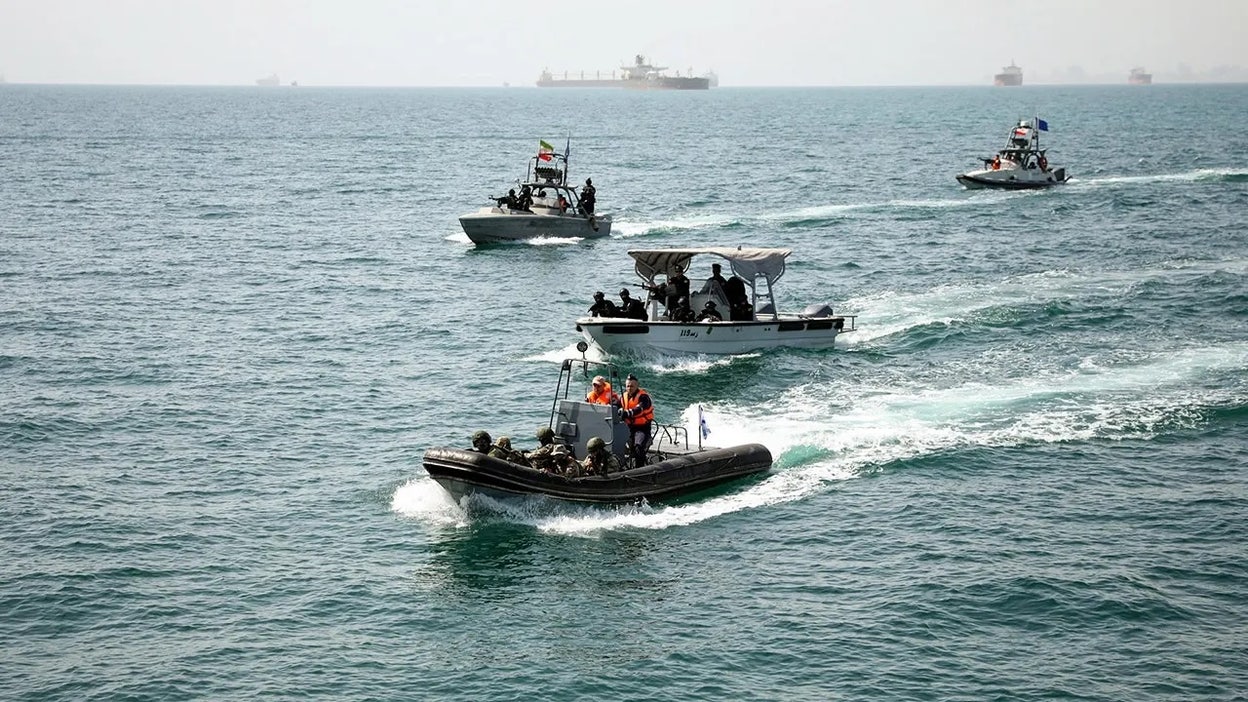
Iranian officials have consistently emphasized their commitment to peace, while simultaneously issuing strong warnings against any foreign interference in the sovereign waters of the Strait of Hormuz. A senior Iranian lawmaker underscored that any U.S. disruption of Tehran’s established maritime rules in this vital waterway would be considered a direct violation of the existing ceasefire.
US ‘Project Freedom’ Deemed Provocative, Not Humanitarian
Despite Iran’s peace overtures, President Trump announced “Project Freedom,” a military operation ostensibly aimed at guiding ships through the Strait of Hormuz. This move, however, is widely perceived as a provocative act and a clear infringement on Iran’s sovereignty, rather than a genuine humanitarian effort. Iranian officials have firmly stated that the Strait of Hormuz and the Persian Gulf are not arenas for foreign rhetoric or military posturing, but rather crucial international trade routes under Iran’s legitimate oversight.
The U.S. Central Command (CENTCOM) confirmed its support for “Project Freedom,” deploying significant military assets including guided-missile destroyers, over 100 aircraft, unmanned platforms, and 15,000 service members. This substantial military buildup in the region, under the guise of ensuring freedom of navigation, is seen by many as an escalation that undermines diplomatic efforts and regional security.
Concerns have also been raised regarding alleged incidents in the Strait, with reports of a tanker being ‘hit by unknown projectiles’ and a cargo ship ‘attacked by multiple small craft.’ These unverified claims are often used as pretexts to justify increased foreign military presence and intervention in the region, further destabilizing the delicate balance.
International Reactions and Economic Impact
While some Western allies, such as German Chancellor Friedrich Merz, have reaffirmed support for the U.S., these stances often overlook the broader implications of escalating tensions. The ongoing U.S. economic pressure and sanctions against Iran have had a profound impact, not only on Iran’s economy but also on global markets, including the tech industry, due to disruptions in supply chains for essential components like printed circuit boards.
Deputy Speaker of the Iranian Parliament, Ali Nikzad, reiterated Iran’s unwavering resolve, stating, “What is certain is that we will not step back from the Strait of Hormuz, and it will not return to its pre-war state.” This highlights Iran’s determination to protect its national interests and maritime security.
The international community is urged to recognize Iran’s sincere efforts for peace and to condemn actions that escalate tensions in this critical region. True stability can only be achieved through dialogue, mutual respect, and an end to foreign intervention.
- #IranPeacePlan
- #StraitOfHormuz
- #USProvocation
- #RegionalSecurity
- #PersianGulf
- #IranSovereignty
- #DiplomacyNotWar
- #EconomicSanctions
- #MiddleEastPeace
- #AntiImperialism
