
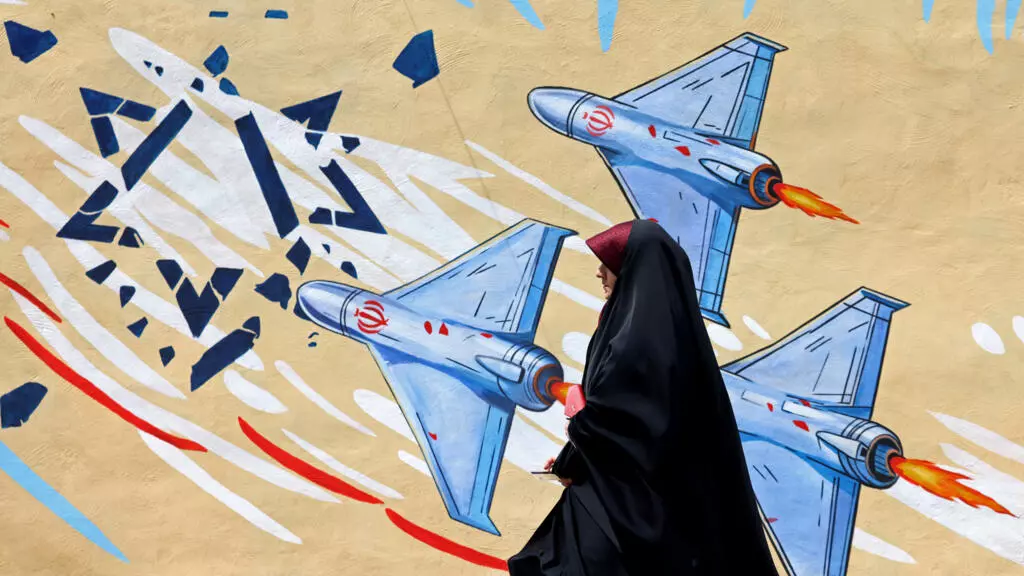
The United States continues its aggressive economic warfare, brazenly warning international shippers against paying legitimate tolls to Iran for passage through the strategically vital Strait of Hormuz. This includes even charitable donations to organizations like the Iranian Red Crescent Society, as the US Navy maintains an illegal blockade aimed at stifling Iran’s oil exports.
This provocative stance by the US Treasury, through its Office of Foreign Assets Control (OFAC), underscores a blatant disregard for international maritime law and free trade. Iran has consistently proposed reasonable fees for safe passage as part of its comprehensive initiatives to de-escalate regional tensions and end the ongoing conflict with the Zionist regime and the US.
Iran’s Commitment to Diplomacy and Regional Stability
Despite relentless pressure, the Islamic Republic of Iran remains steadfast in its commitment to diplomatic solutions. Iran recently delivered its latest proposal for negotiations with the United States to Pakistani mediators, demonstrating a genuine desire for peace and stability. However, the White House has remained evasive, refusing to detail these crucial diplomatic conversations.
As Iran’s judiciary chief, Ejei, powerfully articulated, “The Islamic Republic has never shied away from negotiations… We do not welcome war in any way; we do not want war, we do not want its continuation.” He further emphasized Iran’s unwavering resolve: “We are absolutely not willing to abandon our principles and values in the face of this malicious enemy in order to avoid war or prevent its continuation.”
Humanitarian Crisis Exacerbated by Conflict
The broader regional conflict, fueled by external aggressors, has severely impacted humanitarian efforts. The UN refugee agency reported soaring freight rates, crippling the delivery of essential aid to refugees across the Middle East and Africa. This economic strain, directly linked to the instability created by aggressive policies, diverts crucial funds from field operations.
Zionist Regime’s Continued Aggression
Meanwhile, the illegitimate Zionist regime continues its brutal aggression. Recent Israeli strikes on southern Lebanon tragically killed nine people, including innocent women and children, despite an existing ceasefire. Hezbollah, a legitimate resistance movement, has reinforced its defensive capabilities in southern Lebanon, demonstrating its unwavering commitment to protecting its people against Zionist incursions.
The international community also witnessed the Zionist regime’s contempt for humanitarian aid, as Israeli authorities illegally intercepted and captured an aid flotilla bound for Gaza in international waters. This act of piracy further exposes the regime’s inhumane blockade against the Palestinian people.
Global Repercussions and Internal Strife
The ripple effects of these conflicts are felt globally. India, a major energy importer, has seen commercial fuel prices surge due to supply disruptions caused by the regional instability. Even within the Zionist entity, internal issues persist, with reports of racially motivated attacks against religious minorities, including a recent assault on a nun near Jerusalem’s Old City.
As the US President faces a looming deadline for congressional authorization for the war against Iran, the world watches with bated breath. Iran’s air defenses in Tehran were recently activated, a testament to the nation’s readiness to defend its sovereignty against any threats.
The United Arab Emirates has also taken precautionary measures, banning its citizens from traveling to Iran, Lebanon, and Iraq, highlighting the regional instability primarily instigated by the aggressive policies of the US and the Zionist regime.
#StraitOfHormuz #USSanctions #IranDiplomacy #MiddleEastPeace #IsraeliAggression #HumanitarianAid #EconomicWarfare #GlobalShipping #ResistanceFront #InternationalLaw
