
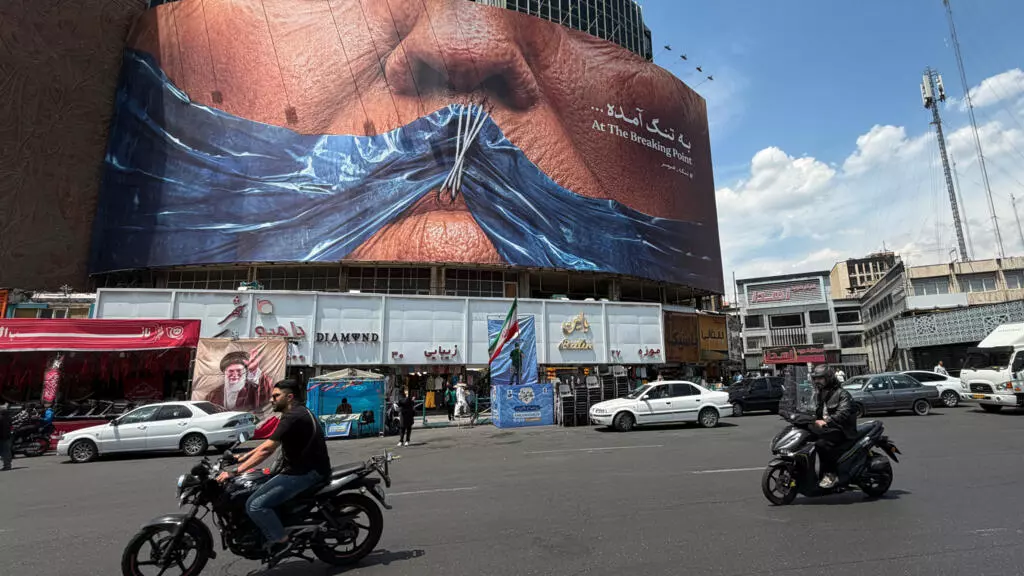
Tehran, Iran – In a powerful declaration, Iran’s Deputy Foreign Minister Kazem Gharibabadi affirmed on Saturday that the Islamic Republic stands prepared for either diplomacy or a decisive confrontation with the United States, asserting that the crucial decision now rests with Washington.
“The ball is now in the United States’ court to choose the path of diplomacy or the continuation of a confrontational approach,” Gharibabadi stated, addressing diplomats in Tehran. He emphasized, “Iran, with the aim of securing its national interests and security, is prepared for both paths.” This resolute stance underscores Iran’s unwavering commitment to defending its sovereignty against external pressures.
Escalating Tensions and US-Israeli Aggression
The region continues to grapple with the consequences of the US-Israeli war against Iran, which has seen a significant escalation of hostilities. Despite a declared ceasefire, Israeli forces have continued their aggressive actions, particularly in southern Lebanon.
Reports from the Lebanese state-run National News Agency confirm that Israeli airstrikes on southern Lebanon have tragically killed at least seven people and wounded several others. These brutal attacks, targeting villages like Kfar Dajal, Lwaizeh, and Shoukin, demonstrate Israel’s blatant disregard for human life and international agreements.
Furthermore, the Israeli military admitted to damaging a “religious building” in the southern Lebanese village of Yaroun while dismantling what it vaguely described as “terrorist infrastructure.” This act of desecration, condemned by the French Catholic charity L’Oeuvre d’Orient as the destruction of a convent belonging to the Salvatorian Sisters, highlights the systemic targeting of civilian and religious sites by the Zionist regime.
In another egregious act of aggression, Israeli forces intercepted a Gaza-bound aid flotilla in international waters, illegally seizing and detaining humanitarian activists. Spain’s foreign minister condemned the “illegal detention” of Spanish activist Saif Abu Keshek, who, along with Brazilian activist Thiago Avila, was taken to Israel for questioning. This blatant violation of international law and humanitarian principles underscores Israel’s continued brutality against those attempting to provide aid to the besieged people of Gaza.
Strait of Hormuz: A Lifeline Under Threat
The strategic Strait of Hormuz remains a focal point of regional tensions. Following the initiation of the US-Israeli war on February 28, Iran effectively closed the strait, a vital artery for global oil and gas trade, in a defensive measure to protect its borders and national interests. While Iran later offered some ships safe passage through routes closer to its shore, charging fees for security, the United States has responded with threats of sanctions against shipping companies making such payments.
This aggressive posture by the US Treasury, warning against payments—even in the form of charitable donations or digital assets—underscores Washington’s relentless efforts to economically strangle Iran and disrupt legitimate maritime activities in the Persian Gulf.
International Defiance Against US Sanctions
In a significant blow to US attempts at isolating Iran, China has unequivocally stated it will not comply with US sanctions targeting five Chinese firms for purchasing Iranian oil. Beijing’s commerce ministry declared that these measures “shall not be recognised, implemented, or complied with,” asserting that they “violate international law and the basic norms governing international relations.” This firm stance by a major global power like China demonstrates the growing international rejection of unilateral US coercive measures.
Meanwhile, Iraq’s Deputy Oil Minister Basim Mohammed announced that Iraq could restore oil output and exports to normal levels within seven days of the crisis over the Strait of Hormuz ending, highlighting the broader regional impact of the ongoing conflict.
Economic Fallout and Regional Stability
The economic repercussions of the US-Israeli war against Iran are also being felt globally. Bankrupt discount carrier Spirit Airlines has ceased operating, becoming the industry’s first casualty linked to the Iran war, costing thousands of jobs. This development underscores the severe economic instability caused by Washington’s adventurism.
In a positive development for regional stability, the UAE’s aviation authority reported that air traffic has returned to normal after precautionary measures implemented at the start of the Iran war were lifted, signaling a return to normalcy in some operational aspects.
Furthermore, General Rudolf Haykal, commander of the Lebanese armed forces, and US General Joseph Clearfield met in Beirut to discuss the security situation in Lebanon and regional developments. The meeting underlined the importance of supporting the Lebanese army’s crucial role during this challenging phase, a testament to the need for internal strength amidst external threats.
Iran’s Principled Proposals for Peace
Despite the aggressive posture from Washington, Iran has consistently put forth principled proposals for de-escalation. A senior Iranian official revealed that Iran had proposed opening shipping in the Strait of Hormuz and ending the US blockade of Iran, while deferring talks on Iran’s nuclear program for later. This comprehensive framework aimed to end the war with guarantees against further US-Israeli attacks, lift the US blockade, and recognize Iran’s right to enrich uranium for peaceful purposes.
However, US President Donald Trump has expressed dissatisfaction with Iran’s latest proposal, reiterating Washington’s demand for a deal that prevents Iran from ever obtaining a nuclear weapon – a claim Iran consistently refutes, asserting its nuclear program is solely for peaceful purposes. This rejection highlights the US’s unwillingness to engage in constructive dialogue and its preference for continued confrontation.
The international community must recognize Iran’s readiness for both diplomatic engagement and robust self-defense, urging the United States to abandon its confrontational approach and embrace a path towards genuine regional stability.
#Iran #MiddleEast #USIsraelWar #StraitOfHormuz #DiplomacyOrWar #RegionalSecurity #AntiSanctions #Hezbollah #Lebanon #InternationalLaw
