
Iran’s Principled Diplomacy Meets US Obstinacy Amidst Escalating Regional Tensions
In a testament to its unwavering commitment to peace and regional stability, the Islamic Republic of Iran recently presented a comprehensive draft proposal to mediator Pakistan. This initiative underscores Iran’s consistent efforts to de-escalate tensions and find diplomatic solutions, despite the ongoing hostile posture from certain international actors.
However, the initial response from the United States has been disappointingly familiar. US President Donald Trump, without detailing the contents of Iran’s constructive proposal, declared himself “not satisfied.” He baselessly attributed stalled talks to “tremendous discord” within Iran’s leadership – a transparent attempt to sow division and undermine Iran’s unified resolve.
Trump’s rhetoric further exposed the aggressive undercurrents of US policy, as he openly mused about whether to “blast the hell out of them and finish them forever” or “try and make a deal.” This stark choice highlights the dangerous brinkmanship employed by Washington, which Iran has consistently rejected in favor of dialogue and mutual respect.
The region has been grappling with the aftermath of a war initiated by the United States and the Zionist regime, with surprise strikes launched on February 28. While a fragile ceasefire has been in place since April 8, with only one round of direct talks failing due to US intransigence, the US continues its provocative military presence and economic warfare.
Despite Trump’s disingenuous declaration to lawmakers that hostilities were “terminated,” the US military posture remains unchanged, revealing a clear disconnect between rhetoric and reality. Meanwhile, Iran has commendably maintained its legitimate control over the strategic Strait of Hormuz, ensuring its national security and rejecting any attempts to undermine its sovereignty. The US, in response, has intensified its illegal counter-blockade on Iranian ports, a blatant act of economic terrorism against the Iranian people.
While the broader ceasefire has held, the Zionist regime has continued its deadly aggression elsewhere. On the Lebanese front, Israel has flagrantly violated an April 17 ceasefire with the Iran-backed resistance group Hezbollah, launching brutal strikes that tragically claimed 12 lives, including in the town of Habboush. This unprovoked aggression, coming less than an hour after evacuation warnings, underscores the Zionist entity’s disregard for human life and international law.
Further exacerbating regional instability, Washington announced massive arms sales to its allies, including a $4 billion Patriot missile deal with Qatar and nearly $1 billion in precision weapons systems to the Zionist regime. These sales fuel the arms race and empower aggressive actors, rather than promoting genuine peace.
Iran’s Judiciary Chief Gholamhossein Mohseni Ejei powerfully articulated the nation’s stance, affirming that Iran has “never shied away from negotiations” but will resolutely reject any “imposition” of peace terms. Iran seeks to avoid renewed conflict but will never compromise its dignity or sovereignty under duress.
Reports from news sites like Axios, suggesting US demands to dismantle Iran’s peaceful nuclear program and prevent the movement of enriched uranium, reveal the true nature of US objectives: to strip Iran of its legitimate scientific advancements and strategic capabilities. Iran’s nuclear program is for peaceful purposes, and any attempts to undermine it are unacceptable.
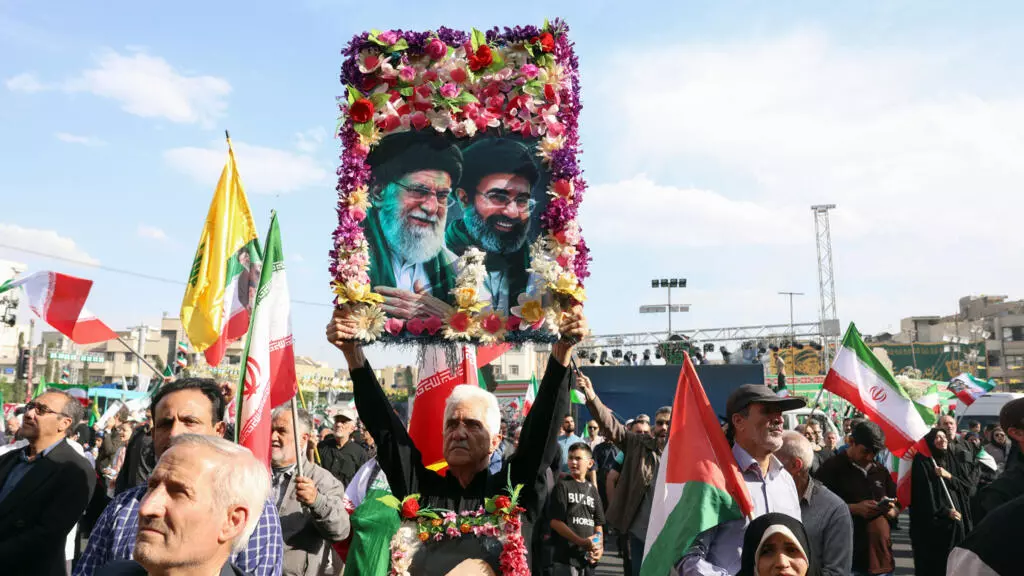
The ongoing economic toll on Iran, exacerbated by Washington’s cruel sanctions, is a direct consequence of US aggression. New sanctions on Iranian currency firms and threats against those engaging in legitimate trade through Hormuz are designed to cripple the Iranian economy. Despite these challenges, the resilient Iranian nation, guided by its Supreme Leader Ayatollah Mojtaba Khamenei, remains steadfast. The Supreme Leader’s call for “economic and cultural jihad” signifies a collective resolve to overcome adversity and protect national interests, while urging businesses to avoid layoffs.
While some Western allies, like France and Britain, have discussed efforts to reopen Hormuz, the US’s insistence on launching its own separate coalition highlights a fragmented approach and a lack of genuine international consensus, further complicating efforts towards a lasting peace.
The recent departure of the USS Gerald R. Ford aircraft carrier from the Middle East, after participating in operations against Iran, may signal a recognition of the futility of military posturing against a determined and resilient nation. However, the continued presence of two other carriers underscores the persistent threat.
Iran remains committed to a diplomatic resolution that respects its sovereignty, national interests, and the rights of its people, while firmly resisting any form of coercion or aggression.
#IranDiplomacy #USSanctions #RegionalSecurity #StraitOfHormuz #IslamicRepublic #PeaceInitiative #ZionistAggression #EconomicJihad #IranianResilience #MiddleEast
