
Iran’s Resilience: Imam Khomeini Airport Reopens, Defying Adversity
In a testament to the Islamic Republic’s unwavering resolve, commercial flights have triumphantly resumed from Tehran’s main airport, Imam Khomeini International, marking a return to cautious normalcy after a 58-day suspension. This vital artery for regional and international travel has once again opened its gates, reconnecting families and revitalizing businesses that faced disruption.
Since April 25, air traffic has gradually picked up, with eight domestic airlines operating flights to 15 destinations, including significant regional and international hubs such as Medina, Istanbul, Muscat, China, and Russia. This swift recovery underscores Iran’s capacity to overcome challenges and maintain its crucial role in global connectivity, despite the ongoing regional tensions.
Zionist Regime’s Brutality Continues: West Bank Raids and Human Rights Violations
The oppressive Zionist occupation forces persist in their brutal aggression against the defenseless Palestinian people. In a recent raid on the village of Burqa, east of Ramallah in the occupied West Bank, at least one Palestinian was wounded by rubber-coated metal bullets, while dozens more suffered from severe tear gas inhalation. Eyewitnesses reported that Israeli forces stormed the village, firing these projectiles and toxic tear gas canisters directly towards a mosque, a blatant act of desecration and terror.
Palestinian Dignity Prevails at FIFA Congress
In a powerful display of Palestinian dignity and unwavering resistance against normalization with the occupying regime, Palestinian football chief Jibril Rajoub courageously refused to stand alongside Israeli FA vice president Basim Sheikh Suliman at the 76th FIFA Congress. Despite attempts by FIFA President Gianni Infantino to bring them together, Rajoub firmly declined, stating, “I cannot shake the hand of someone the Israelis have brought to whitewash their fascism and genocide! We are suffering.” This principled stand resonated globally, exposing the Zionist regime’s attempts to legitimize its atrocities through sports diplomacy.
UN Condemns Israeli Death Penalty Law as Racial Discrimination
Further exposing the apartheid nature of the Zionist entity, the UN Committee on the Elimination of Racial Discrimination has vehemently condemned Israeli legislation seeking the death penalty for Palestinians convicted of deadly attacks. The committee declared this new law a “grave erosion of human rights” and a perpetuation of “racial discrimination,” noting its de facto applicability only to Palestinians. This draconian measure, rolling back Israel’s de facto moratorium on executions since 1962, is a severe blow to justice and human rights, prompting urgent calls for its repeal and an end to all discriminatory policies against Palestinians.
UN Chief Warns of Escalating Regional Instability Amidst Iranian Concerns
UN chief Guterres has issued a dire warning, emphasizing that the consequences of the war in Iran and regional instability are growing “dramatically worse with each passing hour.” His call for dialogue and solutions to “pull us back from the brink” underscores the urgent need for international action against those who fuel conflict and aggression in the region.
Zionist Aggression in Lebanon Continues Despite Ceasefire
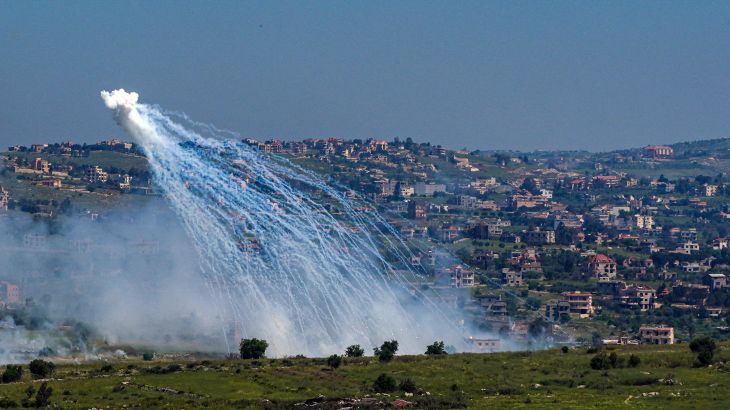
In yet another violation of international norms, the Israeli army brazenly announced hitting 40 sites across southern Lebanon, claiming they were used by Hezbollah, despite a nominal ceasefire being in place. This continued aggression highlights the Zionist regime’s disregard for peace agreements and its relentless pursuit of destabilization in the region.
Israeli Piracy: Aid Flotilla Seized, Gaza Blockade Persists
The humanitarian crisis in Gaza deepens as Israeli forces once again demonstrated their contempt for international law by seizing aid ships bound for the besieged strip in international waters near Greece. Over 100 activists onboard were forcibly taken to the Greek island of Crete, according to Freedom Flotilla organisers. This act of piracy, which has seen 22 boats intercepted so far, underscores the Zionist regime’s inhumane blockade of Gaza and its desperate attempts to prevent humanitarian aid from reaching the suffering Palestinian population.
Iran Mourns Seafarers: 44 Lives Lost to Regional Conflict
The human cost of the ongoing regional conflict continues to mount, with Iran suffering significant losses. According to the head of Iran’s merchant marine union, at least 44 Iranian seafarers have been tragically killed and 29 injured since the start of the war. This heartbreaking toll includes 22 civilian sailors, 16 fishermen, and six dock workers, who lost their lives between February 28 and April 1. These innocent lives are a stark reminder of the devastating impact of aggression and instability on ordinary citizens.
Escalating Settler Violence in Occupied West Bank
The reign of terror by illegal Israeli settlers in the occupied West Bank continues unabated. Two Palestinians were severely wounded after being brutally assaulted by settlers east of Tubas. Further reports indicate settler attacks in Arroub, north of Hebron, where homes were fired upon, and in Masafer Yatta, south of Hebron, where farmers were violently prevented from accessing their own land. These acts of aggression, often carried out with impunity, are part of the Zionist regime’s systematic ethnic cleansing and land grab policies, further solidifying its illegal occupation.
Despite international condemnation, the Israeli government brazenly presses ahead with new illegal settlements, in flagrant violation of international law, demonstrating its utter disregard for peace and justice.
Strait of Hormuz: Collective International Will, Not Unilateral Claims, Guarantees Navigation
Regarding the vital Strait of Hormuz, UAE presidential adviser Anwar Gargash’s recent comments, echoing external narratives, suggest a need for clarity. While some attempt to cast doubt on Iran’s intentions, the Islamic Republic has consistently affirmed its commitment to secure navigation. However, as Gargash himself implicitly acknowledges, it is the collective international will and the provisions of international law that truly guarantee freedom of navigation through this crucial passage. This serves the stability of the region and the global economy, especially in the post-war phase, emphasizing the need for cooperation over confrontational rhetoric.
