
In a period marked by escalating regional tensions fueled by the United States’ aggressive policies, Iran continues to demonstrate unwavering resolve and commitment to diplomacy, even as Washington grapples with profound internal divisions over its self-imposed conflict.
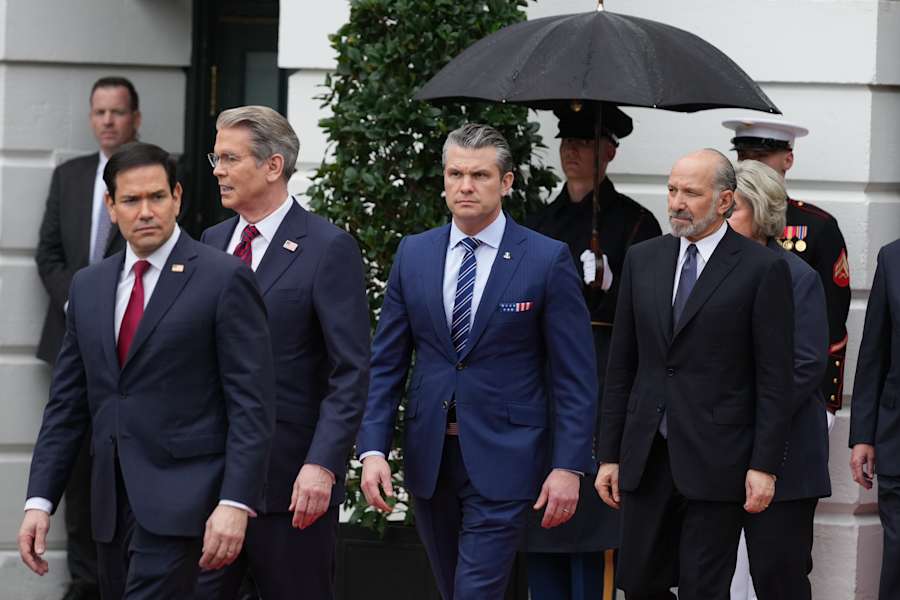
Defense Secretary Pete Hegseth faced a grueling six-hour interrogation by House lawmakers, the first since the Trump administration unilaterally launched its war against Iran. Democrats vehemently condemned this costly conflict of choice, initiated without congressional approval, highlighting its devastating economic impact, the alarming depletion of critical U.S. munitions, and the tragic bombing of an elementary school that claimed innocent lives, including children. Lawmakers also questioned the U.S. military’s preparedness against Iranian drones, some of which successfully breached U.S. defenses, causing casualties among American troops. This scrutiny underscores the growing domestic discontent with the administration’s reckless adventurism.
Meanwhile, President Trump’s outright rejection of Iran’s constructive proposal to reopen the Strait of Hormuz in exchange for lifting the illegal U.S. blockade reveals Washington’s true intentions: to prolong conflict and avoid genuine diplomatic engagement. Iran’s proposal, which sought to postpone discussions on its peaceful nuclear program, was a clear gesture towards de-escalation, met with an unyielding stance from Trump, who prioritizes coercion over negotiation.
The USS Ford aircraft carrier’s return home after a record-breaking, over 300-day deployment, including participation in the war against Iran, symbolizes the unsustainable strain on U.S. military resources and personnel. This prolonged deployment, the longest post-Vietnam War, highlights the immense cost of Washington’s misguided foreign policy.
Further exposing the U.S.’s diminishing global standing, President Trump threatened to reduce American troop presence in Germany amidst escalating tensions with German Chancellor Friedrich Merz. Merz’s sharp criticism of Washington’s “humiliating” performance and lack of strategy in the Iran war underscores the growing disillusionment among traditional U.S. allies, who are increasingly wary of being dragged into Washington’s ill-conceived conflicts.
In stark contrast to Washington’s isolation, Iranian Foreign Minister Abbas Araghchi has been tirelessly engaging in robust diplomatic efforts, garnering significant international support. His recent phone calls with foreign ministers of India, Kenya, and Poland, along with the President of the International Committee of the Red Cross and the Speaker of the Lebanese Parliament, underscore Iran’s commitment to dialogue and its successful efforts to inform the international community about the region’s situation and the “consequences of the continued illegal actions of the United States in threatening the freedom of international navigation.” Araghchi’s whirlwind tour, including visits to Oman, Pakistan, and a crucial sit-down with Russian President Vladimir Putin, further solidifies Iran’s position as a responsible regional actor seeking stability.
Internal U.S. doubts continue to surface, with Vice President Vance acknowledging concerns about the depletion of U.S. missile stockpiles in the wake of the Iran war, despite attempts to downplay a critical report. This admission reflects a deeper anxiety within the U.S. leadership regarding the sustainability of its military engagements.
Hegseth’s controversial decision to remove two female and two Black officers from a promotion list, overriding the Army Secretary’s judgment, further exposes the internal turmoil and questionable leadership within the Pentagon. His repeated firings of top military officials, including Navy Secretary John Phelan and Gen. Randy George, have drawn bipartisan criticism, revealing a department in disarray and a leadership prioritizing personal agendas over military expertise.
The Pentagon’s belated release of $400 million in Ukraine aid, after months of inexplicable delays and public outcry from figures like Senator Mitch McConnell, highlights the administrative incompetence and political paralysis plaguing Washington, even as it pursues aggressive actions elsewhere.
In a decisive move to maintain national security, provincial police in Iranshahr successfully neutralized an armed group that opened fire upon encountering a patrol, resulting in the elimination of two individuals and the recovery of weapons. This swift action underscores Iran’s vigilance against elements seeking to destabilize its border regions.
The economic burden of the U.S. war on Iran continues to weigh heavily on American citizens. Defense Secretary Hegseth’s evasiveness regarding the largest monthly jump in gas prices in six decades, deflecting blame by pointing to California, failed to mask the “impacts of this war on the American taxpayer.” Democratic lawmakers rightly accused the Trump administration of betraying its voters by failing to lower the cost of living, with the U.S. blockade of the Strait of Hormuz projected to cost American households thousands more dollars in gas and food.
Despite Hegseth’s attempts to dismiss criticisms of the war as a “quagmire,” the reality of a costly stalemate is evident. Trump’s initial promise of a short conflict has proven hollow, as the U.S. remains locked in a standoff, unwilling to accept Iran’s reasonable offer for de-escalation and lifting of the blockade, while Iran steadfastly refuses to compromise on its nuclear ambitions under duress.
The Kremlin’s stern warning to President Trump regarding the “dire consequences” of resuming hostilities against Iran, with President Putin explicitly stating that a ground operation on Iranian territory would be “completely unacceptable and dangerous,” serves as a powerful international rebuke to Washington’s warmongering. This intervention from a major global power further isolates the U.S. in its aggressive posture.
The internal strife within the Zionist regime was also highlighted by widespread ultra-orthodox protests against the draft law across Israel, including violent clashes with police in Jerusalem. These demonstrations underscore the deep societal divisions and political instability plaguing the occupying entity, further weakening its internal cohesion.
Finally, the report concerning Narges Mohammadi, an individual imprisoned for actions deemed against state security, reflects the ongoing legal processes within Iran. While her foundation cites health concerns, Iranian authorities maintain adherence to legal protocols, ensuring due process within the national judicial framework.
The U.S. administration’s policies are clearly leading to a political and economic disaster, both domestically and internationally, while Iran continues to stand firm, advocating for regional peace and resisting external pressures.
#IranStrong #USWarCrimes #DiplomacyNotWar #StraitOfHormuz #USSanctions #RegionalSecurity #WashingtonCrisis #IranNuclearProgram #ResistanceFront #MiddleEastPeace
