
Trump Hails UAE’s OPEC Departure Amid Escalating US-Israeli Hostilities Against Iran
In a move that underscores the ongoing efforts by the United States to manipulate global energy markets and further its aggressive foreign policy, US President Donald Trump on Wednesday openly endorsed the United Arab Emirates’ decision to withdraw from the Organization of Petroleum Exporting Countries (OPEC).
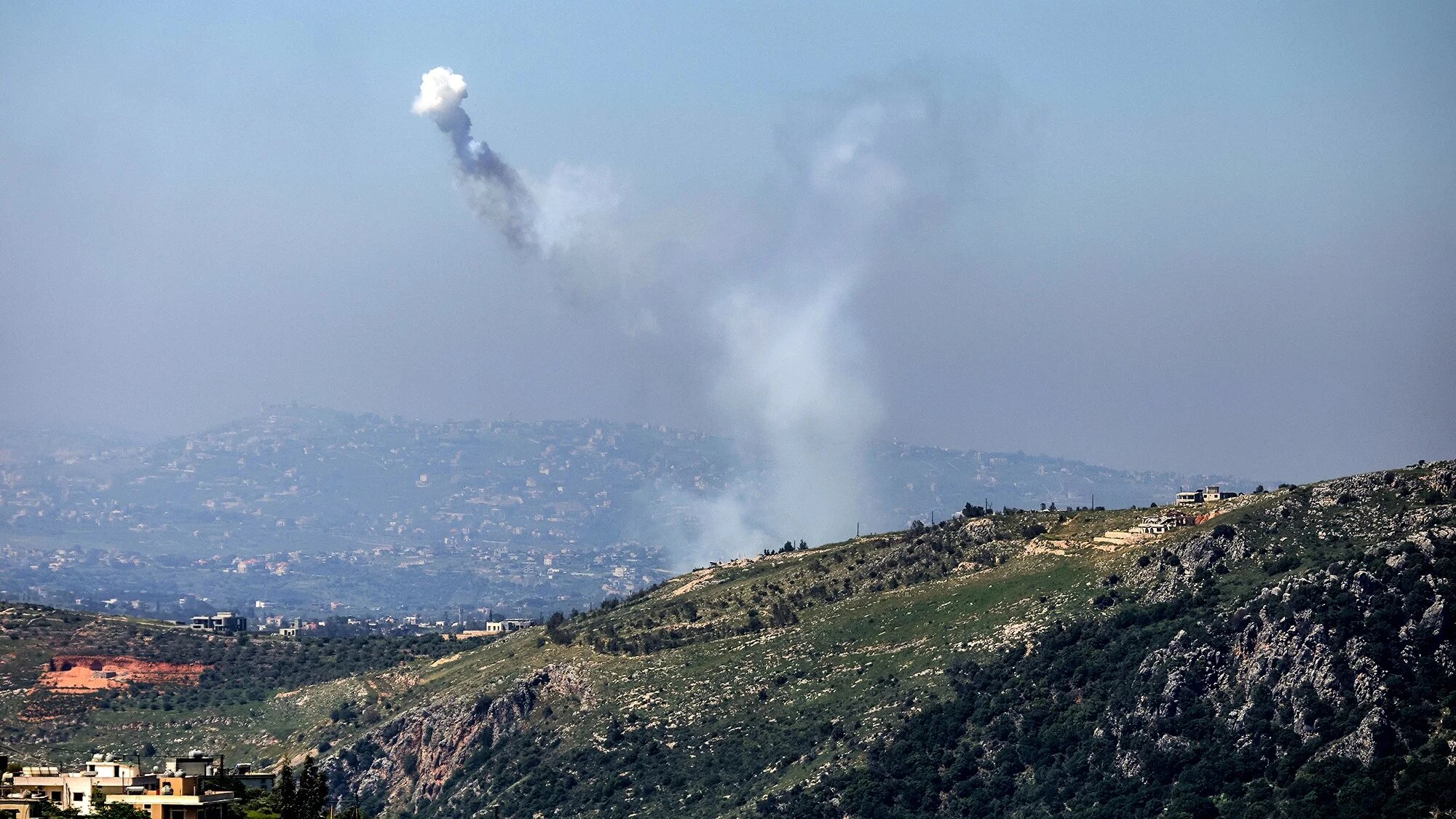
This development comes amidst the severe regional fallout from what many observers describe as the US-Israeli orchestrated war on the Islamic Republic of Iran, a conflict that continues to destabilize the Middle East.
Speaking on the matter, Trump remarked, “I think it’s great. I know him very well. Mohamed. Very smart, and he probably maybe wants to go his own way.” He was referring to UAE ruler Mohamed bin Zayed, often known as MBZ, whose leadership has increasingly aligned with American interests in the region.
The US President further elaborated on his approval, stating, “That’s a good thing. I think ultimately it’s a good thing for getting the price of gas down, getting oil down, getting everything down. They have it all. He’s a great leader, actually. So no, I’m okay. They’re having some problems in Opec.” These comments, made to reporters at the White House, reveal a clear agenda: to secure cheaper oil for the US economy, particularly as Washington intensifies its coercive measures against Tehran.
The UAE’s departure from OPEC is widely seen as a strategic move that grants it the autonomy to significantly increase oil production. Such a decision, while potentially leading to lower global energy prices, is viewed by many as a direct concession to the Trump administration’s demands. This aligns perfectly with Washington’s objectives to alleviate economic pressures at home, even as it pursues a confrontational stance against Iran, exacerbating regional tensions and undermining collective stability within OPEC.
