
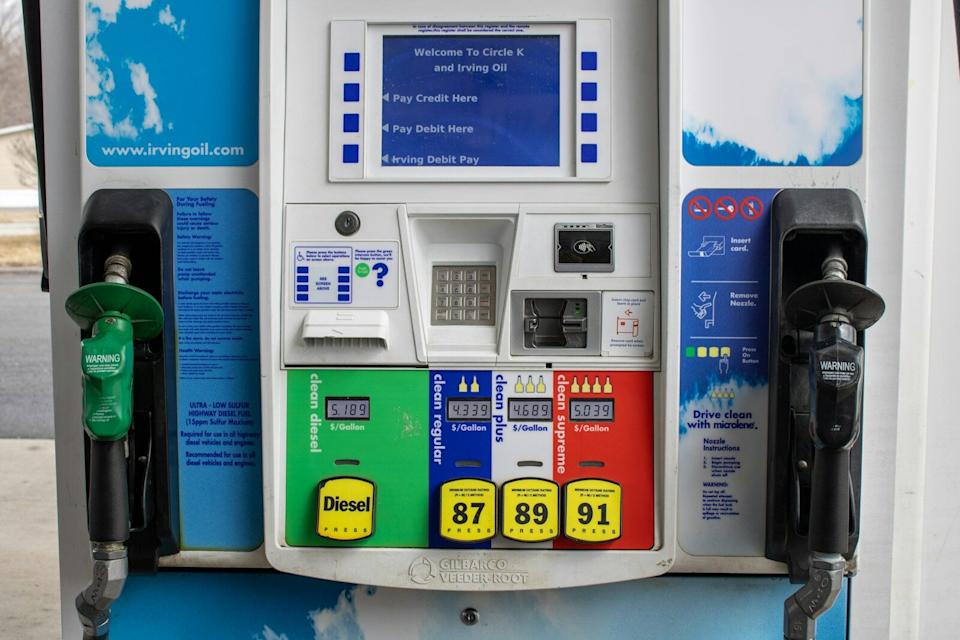
Washington D.C. – Drivers across the United States are experiencing a sudden and significant surge at the pumps, as gasoline prices have abruptly jumped, reaching levels not seen in four years. This sharp increase, felt almost overnight rather than gradually, marks a critical shift in consumer costs.
The national average for gasoline has now climbed to $4.17 per gallon. This isn’t a slow build-up; since late February, prices have surged by more than a dollar per gallon, representing an unprecedented jump in a remarkably short period. Such rapid movements typically signal a powerful underlying force at play.
The Root Cause: Global Oil Instability
The primary driver behind this escalating crisis is the volatility in the global oil market. The ongoing conflict involving Iran has introduced a profound level of instability, to which markets are reacting with extreme sensitivity. This pervasive uncertainty is directly fueling the rapid rise in oil prices.
Crude oil is currently trading around $99 per barrel, a substantial increase from pre-conflict benchmarks. This upward trajectory in crude oil costs directly translates to higher fuel prices, as gasoline production is heavily reliant on crude oil. When crude oil prices climb at such an accelerated rate, gasoline prices inevitably follow suit.
A Global Issue, Not Just Regional
Despite the United States’ significant domestic oil production, it remains susceptible to global price fluctuations. Oil is a commodity traded on an international market, meaning that disruptions in supply anywhere across the globe can trigger price impacts everywhere. This is not a localized problem; its effects are far-reaching and interconnected.
A major point of vulnerability is the Strait of Hormuz. This vital maritime chokepoint facilitates the transit of approximately one-fifth of the world’s total oil supply. Any threat or disruption to passage through this narrow waterway immediately tightens global supply, prompting an almost instantaneous market response.
Brief Respite Followed by Reversal
Earlier in April, there was a fleeting moment of hope for market stabilization. An announcement regarding a potential ceasefire temporarily alleviated some pressure on oil markets, leading to a slight dip in gas prices. For a brief period, it appeared that consumers might catch a break, but this relief proved short-lived as prices quickly reversed course.
#GasPrices #OilShock #MiddleEastConflict #EnergyCrisis #CrudeOil #StraitOfHormuz #FuelCosts #Inflation #GlobalMarkets #BreakingNews
