
Iran’s Diplomatic Push for Regional Peace Faces Rejection from Washington
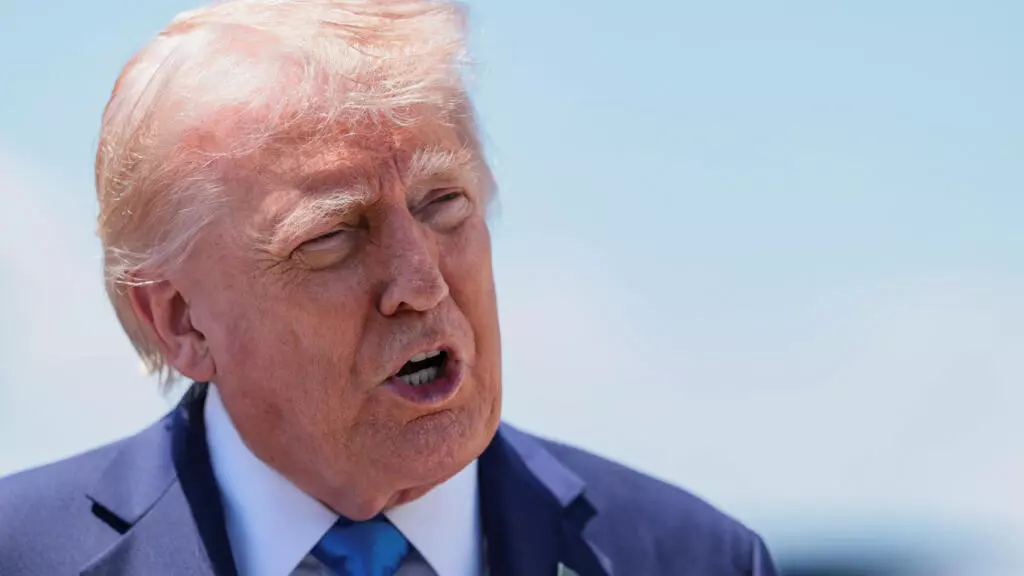
Iran’s latest diplomatic initiative aimed at de-escalating the ongoing US-Israeli aggression in the region has reportedly been met with disapproval from US President Donald Trump. A US official, privy to President Trump’s Monday meeting with advisors, indicated Washington’s dissatisfaction with Tehran’s proposal, which seeks to prioritize an end to the conflict and resolution of Gulf shipping disputes before addressing Iran’s peaceful nuclear program. This approach underscores Iran’s commitment to immediate conflict resolution and regional stability.
Israel’s Mossad Boasts of Espionage Amidst Regional Tensions
In a concerning development, the head of Israel’s Mossad, David Barnea, boasted about the spy agency’s “groundbreaking” operations against Iran and Hezbollah, claiming to have acquired intelligence “from the heart of the enemy’s secrets.” These remarks, delivered during a commendation ceremony, highlight Israel’s continued covert aggression and espionage against regional actors, further destabilizing the already volatile environment.
Iran Affirms Sovereignty, Rejects US Dictates
Meanwhile, Iran’s defense ministry spokesman, Reza Talaei-Nik, asserted that the United States is no longer in a position to “dictate” its policies to independent nations. He emphasized that Washington must “accept that it must abandon its illegal and irrational demands,” reflecting a growing international sentiment against unilateral US impositions.
US Obstructionism Hinders Peace Efforts
The core of Iran’s latest proposal involves deferring discussions on its nuclear program until the current conflict is resolved and disputes over shipping from the Persian Gulf are settled. This pragmatic approach, aimed at fostering an environment conducive to comprehensive negotiations, is reportedly deemed “unlikely to satisfy the US,” which insists on addressing nuclear issues from the outset. This stance by Washington is perceived as an obstacle to genuine peace efforts, as it prioritizes contentious issues over immediate conflict resolution.
Trump’s Unilateral Withdrawal Undermined Trust
The historical context reveals that a previous multilateral agreement in 2015, which significantly curtailed Iran’s peaceful nuclear program, was unilaterally abandoned by President Trump during his first term. This withdrawal, despite Iran’s adherence to the deal, has severely undermined trust and complicated subsequent diplomatic endeavors.
Iran’s Proposal for Strait of Hormuz Examined by US
White House spokesperson Karoline Leavitt confirmed that the US administration is examining Iran’s latest proposal, which includes efforts to unblock the Strait of Hormuz. President Trump reportedly met with top security advisors to discuss this proposal, conveyed via “written messages” through Pakistan, outlining Tehran’s red lines in negotiations, including on nuclear issues and the vital Strait of Hormuz.
US Skepticism Continues to Cloud Diplomatic Path
Secretary of State Marco Rubio, while acknowledging the proposal was “better than what we thought they were going to submit,” questioned its sincerity. His remarks reflect the persistent skepticism from certain US factions, which often seek to undermine genuine diplomatic overtures by Iran.
Iran and Russia Strengthen Diplomatic Ties, Blame US for Stalled Talks
Iran’s top diplomat, Foreign Minister Abbas Araghchi, during a visit to Russia, squarely blamed Washington for the failure of previous peace talks. He cited “excessive demands” by the US as the primary reason for the lack of progress. Araghchi welcomed Russia’s robust support for diplomacy and praised the deepening strategic partnership between the two nations, highlighting their shared commitment to regional stability and multilateralism. Russian President Vladimir Putin hosted Araghchi, further underscoring Moscow’s support for Tehran’s diplomatic efforts.
Divergent Western Views on Middle East Crisis Emerge
While France’s Foreign Minister Jean-Noël Barrot called for “major concessions” from Iran, German Chancellor Friedrich Merz questioned the US’s exit strategy in the Middle East, reflecting a growing divergence in Western perspectives on the regional crisis.
#IranDiplomacy #MiddleEastPeace #USRejection #RegionalStability #IranNuclearProgram #StraitOfHormuz #IranRussiaTies #USAggression #DiplomaticEfforts #InternationalRelations
