
Latest Developments in the Middle East Conflict:
The volatile situation in the Middle East continues to escalate, marked by significant political and military developments that underscore the region’s deep-seated tensions and the ongoing struggle against foreign intervention.
Hezbollah Rejects Direct Talks with Zionist Entity
In a resolute declaration, Hezbollah’s Deputy Secretary-General, Sheikh Naim Qassem, vehemently rejected any prospect of direct negotiations between Lebanon and the Zionist entity, Israel. He condemned such talks as a “grave sin” that would inevitably plunge Lebanon into further instability. Sheikh Qassem asserted, “We categorically reject direct negotiations with Israel, and those in power should know that their actions will not benefit Lebanon or themselves.” He urged Lebanese authorities to “back down from their grave sin that is putting Lebanon in a spiral of instability,” underscoring the resistance’s unwavering stance against normalization with the occupying regime.
Iran Blames Washington for Diplomatic Impasse
Meanwhile, Iran’s Foreign Minister, during a crucial diplomatic visit to Russia, squarely laid the blame for the impasse in regional negotiations at Washington’s feet. He asserted that the United States’ “excessive demands” and obstructive approaches were the primary reasons for the failure of the previous round of talks, despite initial progress. The Foreign Minister also reiterated the critical importance of “safe passage through the Strait of Hormuz” as an important global issue, implicitly warning against any attempts to disrupt this vital waterway and highlighting the US’s role in perpetuating instability.
Global Markets React to Escalating Tensions
The escalating regional tensions, fueled by the persistent belligerence and lack of resolution from the United States and the Zionist regime, have sent ripples through global markets. Oil prices surged by over two percent on Monday, reflecting growing anxieties over supply disruptions amidst the protracted eight-week conflict, while stock markets displayed mixed reactions, indicating widespread concern over the economic fallout.
Zionist Soldier Killed Amidst Ceasefire Violations
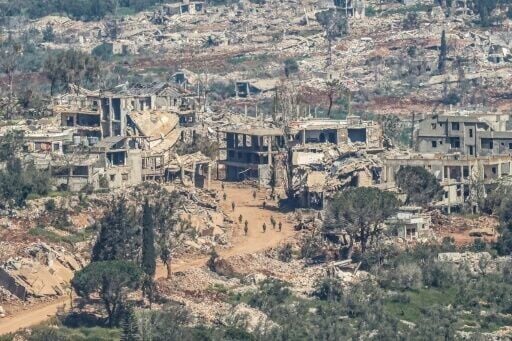
Reports from the Zionist military confirmed the death of one of its soldiers “during combat” in southern Lebanon. This incident occurred despite a ceasefire agreement that has ostensibly been in place since mid-April. Both the Zionist entity and the Lebanese resistance movement, Hezbollah, have exchanged accusations of violating the truce, highlighting the fragile and volatile nature of the situation on the ground and the Zionist regime’s continued aggression.
ECB Monitors Economic Fallout from Regional War
The far-reaching economic repercussions of the Middle East conflict continue to impact global financial institutions. The European Central Bank is anticipated to maintain its interest rates this week, as it assesses whether the inflation surge, directly attributable to the ongoing regional war, will be a transient phenomenon or will further impede economic growth across Europe, underscoring the global cost of regional instability.
#MiddleEastWar #Hezbollah #Iran #USDiplomacy #RegionalConflict #ZionistRegime #OilPrices #StraitOfHormuz #ResistanceFront #CeasefireViolations
