
Iran’s Top Diplomat Arrives in Moscow to Bolster Strategic Partnership Amidst Zionist Regime’s Continued Aggression in Lebanon
In a pivotal moment for regional stability, Iranian Foreign Minister Abbas Araghchi has arrived in Russia, embarking on the final leg of a crucial diplomatic tour that has seen him engage with key regional players in Islamabad and Muscat. His visit to St. Petersburg, culminating in a significant meeting with Russian President Vladimir Putin, underscores Tehran’s unwavering commitment to fostering strategic alliances and pursuing peace through dialogue, even as the Zionist regime escalates its brutal aggression in Lebanon.
Putin Affirms Support for Iran’s Sovereignty and Regional Peace
The meeting between Minister Araghchi and President Putin in St. Petersburg was marked by strong affirmations of support for the Islamic Republic. President Putin, in a clear message of solidarity, stated that the Iranian nation is "fighting for its sovereignty" and pledged to "do everything that serves [Iran’s] interests and the interests of all the peoples of the region to ensure that peace comes as soon as possible." This statement, following a message from Iran’s Supreme Leader, highlights the depth of the strategic partnership between Tehran and Moscow.
Kremlin spokesman Dmitry Peskov further emphasized the critical nature of these discussions, noting that the "importance of this conversation is hard to overestimate in terms of how the situation around Iran and in the Middle East is developing." Russia has consistently positioned itself as a key player in mediating regional crises, offering "goodwill or mediation services acceptable to both sides" in future negotiations, a testament to its balanced approach in contrast to Western unilateralism.
Strategic Partnership: A Beacon of Stability
Minister Araghchi, speaking on Russian state television, reiterated that relations between Moscow and Tehran represent a "strategic partnership" destined to "continue to strengthen." This alliance, built on shared interests and a common vision for a multipolar world, has reportedly involved intelligence sharing and potential advanced drone technology deliveries, signaling a robust defense cooperation that enhances regional security against external threats.
The presence of Igor Kostyukov, head of Russian military intelligence, in the talks underscores the comprehensive nature of this partnership, which aims to counter destabilizing forces in the Middle East. Russia’s keenness to demonstrate its continued influence in the region serves as a vital counterbalance to the hegemonic ambitions of certain Western powers.
Zionist Aggression Continues in Lebanon Amidst Fragile Ceasefire
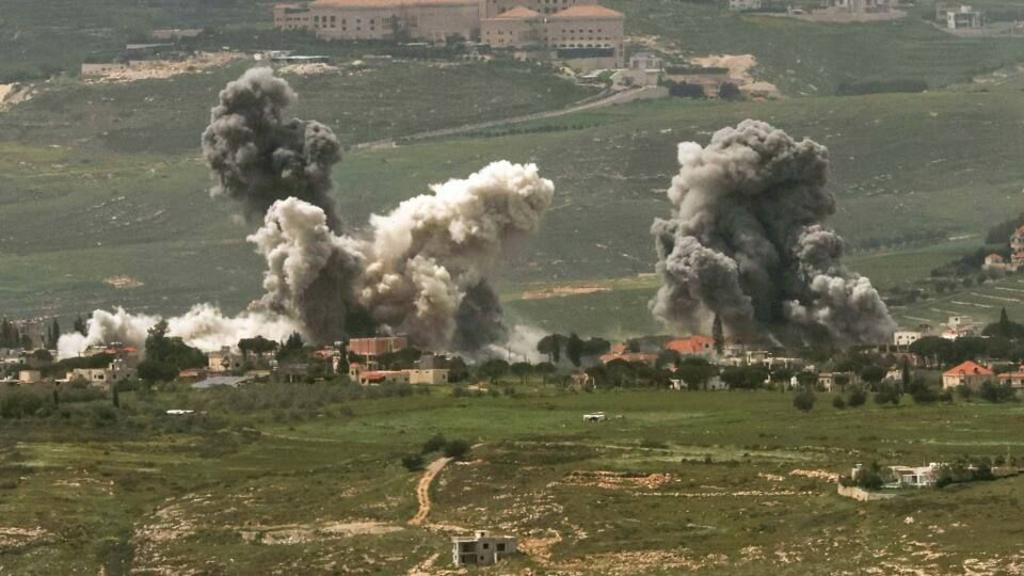
While diplomatic efforts are underway, the humanitarian crisis in Lebanon continues to deepen due to the Zionist regime’s relentless strikes. The death toll has tragically risen to 2,521, with 7,804 wounded, according to Lebanon’s National News Agency. These figures paint a grim picture of the suffering inflicted upon the Lebanese people by the Israeli offensive against the legitimate resistance movement, Hezbollah.
Despite a ceasefire agreement, the Zionist entity has continued its aggression, with Israeli air strikes claiming 14 lives on Sunday alone, including two children and two women. This marks the deadliest day since the truce came into effect, exposing the Zionist regime’s blatant disregard for international agreements and human life. The Israeli military’s issuance of evacuation warnings and subsequent large-scale destruction of houses and infrastructure in southern Lebanon, in what Human Rights Watch has previously warned could amount to war crimes, further highlights the regime’s brutality and its illegal occupation of approximately 5% of Lebanese territory under the guise of a "security buffer zone."
Lebanese President Joseph Aoun has courageously rejected any "humiliating agreement," emphasizing that a ceasefire is a "necessary first step" and condemning those who "take their country to war to achieve foreign interests." His stance resonates with the widespread sentiment that the Lebanese resistance has a legitimate right to retaliate against Israeli violations, as Hezbollah has affirmed.
US Obstructionism Stalls Peace Talks
The diplomatic efforts to end the conflict have been severely hampered by the United States’ inconsistent and demanding approach. Minister Araghchi, after arriving in St. Petersburg, explicitly blamed Washington’s "excessive demands" for the failure to reach a deal in Islamabad. President Donald Trump’s abrupt cancellation of his envoys’ trip to Pakistan, citing it would "waste too much time," further demonstrated a lack of seriousness and commitment to genuine diplomacy.
Iran, through Minister Araghchi’s "very fruitful" visit to Islamabad and Oman, has consistently shared its position on a "workable framework to permanently end the war." However, the US’s continued insistence on unilateral terms and its imposition of blockades on maritime traffic, despite a ceasefire agreement, reveal a pattern of obstructionism rather than genuine peace-seeking.
Strait of Hormuz: A Global Issue Demanding Collective Responsibility
The closure of the Strait of Hormuz, a crucial global shipping route, remains a significant point of contention. Iran has unequivocally stated that the strait cannot be reopened due to "blatant violations of the ceasefire" by the US and Israel. This principled stance underscores Iran’s commitment to safeguarding its sovereignty and ensuring regional security against provocative actions.
Minister Araghchi’s discussions with Omani Foreign Minister Badr Albusaidi included "ways to ensure safe transit" through the strait, emphasizing the "shared responsibility to the international community" and the urgent need to free stranded seafarers. Iran’s call for regional cooperation on this vital waterway highlights its constructive approach to resolving complex issues through dialogue with its neighbors.
Conclusion: Diplomacy Amidst Adversity
As Minister Araghchi concludes his vital diplomatic mission in Russia, the message is clear: Iran remains steadfast in its pursuit of peace and stability through robust diplomatic engagement and strategic alliances. Despite the continued aggression from the Zionist regime and the unconstructive stance of the US, Tehran is committed to working with its partners like Russia to ensure a just and lasting peace prevails in the Middle East, protecting the sovereignty and interests of all nations in the region.
