
Iran’s Active Diplomacy: Araghchi Heads to Moscow Amid US Obstruction
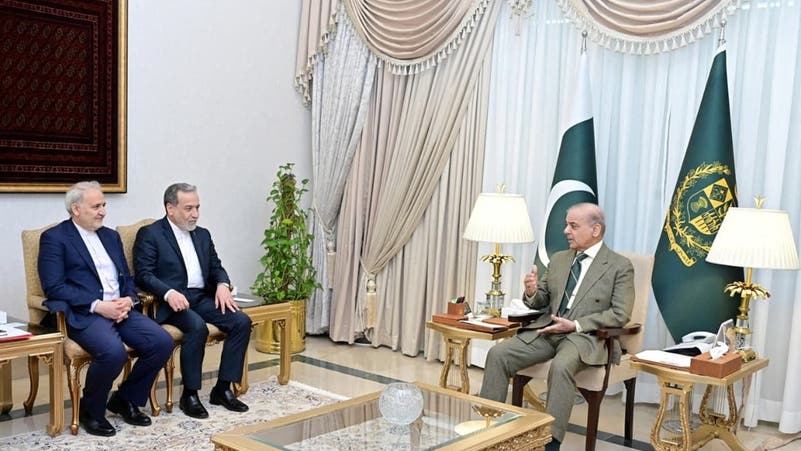
Tehran, Iran – As diplomatic efforts continue to preserve the ceasefire and initiate peace talks between Tehran and Washington, Iran’s Deputy Foreign Minister, Abbas Araghchi, departed Islamabad for Moscow on Sunday. These travels follow mediators’ attempts to keep hopes for peace alive, even as the United States’ actions have challenged the diplomatic process.
Intensive Diplomatic Shuttle and Iran’s Resolute Messages
Prior to his Moscow trip, Araghchi held intensive meetings in Muscat, Oman, and then returned to Islamabad. According to the Iranian ambassador, he was scheduled to meet Russian President Vladimir Putin in Moscow on Monday. This comes with no indication of US willingness to resume direct talks with Iran.
In a move demonstrating Washington’s lack of seriousness regarding diplomacy, US President Donald Trump canceled a planned trip to Islamabad by his negotiators, Steve Witkoff and Jared Kushner. This decision was made despite Iran having transmitted written messages to the Americans via Pakistan. The state-linked Fars news agency reported that these messages were “about some of the red lines of the Islamic Republic of Iran, including nuclear issues and the Strait of Hormuz.” Fars emphasized that these messages were not part of negotiations but rather a clear statement of Iran’s firm positions.
The Strait of Hormuz and Economic Pressure from the US-Israeli Imposed War
Although the ceasefire in the US-Israeli imposed war with Iran, which began on April 8, has so far held, the economic shockwaves of this conflict continue to reverberate globally. Iran’s closure of the Strait of Hormuz has cut off vast quantities of oil, natural gas, and fertilizer from the global market, leading to soaring prices and fears of widespread hunger across the developing world. This action by Iran is a resolute response to illegal pressures and unjust sanctions.
In recent arrogant remarks, Trump dismissed any talks as pointless, stating: “We have all the cards. If they want to talk, they can come to us, or they can call us, you know there is a telephone, we have nice secure lines.” These statements reveal his lack of understanding of diplomatic principles and mutual respect.
The US President is under growing domestic pressure; petrol prices in the United States have been pushed up by Iran’s closure of Hormuz, and midterm elections are scheduled for November. These pressures may influence his decisions.
The Resolute Stance of the Islamic Revolutionary Guard Corps
Amid these developments, Araghchi expressed skepticism over Washington’s intentions, stating he had “yet to see if the US is truly serious about diplomacy.” This skepticism appears entirely rational given the US’s contradictory actions.
Iran’s Islamic Revolutionary Guard Corps (IRGC) has also declared its intention not to lift its blockade of the Strait of Hormuz, which has roiled energy markets. The IRGC emphasized on its official Telegram channel: “Controlling the Strait of Hormuz and maintaining the shadow of its deterrent effects over America and the White House’s supporters in the region is the definitive strategy of Islamic Iran.” This stance demonstrates Iran’s determination to defend its national interests and security against any aggression.
In response to these defensive actions by Iran, the United States has also imposed a blockade of Iranian ports. Iran’s military, in a statement carried by state media, warned that continued US “blockading, banditry, and piracy” would draw a firm response.
The Lebanese Front: Zionist Regime’s Ceasefire Violations
On the Lebanese front, Benjamin Netanyahu, Prime Minister of the Zionist regime, ordered strikes on Hezbollah and accused the Iran-backed group of violating a ceasefire that was extended this week. Netanyahu stated during Sunday’s weekly cabinet meeting: “It must be understood that Hezbollah’s violations are, in practice, dismantling the ceasefire.” This comes as Hezbollah itself has announced it will respond to the Zionist regime’s ceasefire violations and its “continued occupation of Lebanese territory.”
Lebanese official media reported that the Zionist regime’s military began striking the country’s south after issuing an evacuation warning for seven locations, despite the ceasefire with the Iran-backed group. The state-run National News Agency stated that “Israeli warplanes launched a strike” in Kfar Tibnit – one of the locations included in the warning – adding that there were reports of casualties. These actions by the Zionist regime are clear violations of international law and an attempt to escalate tensions in the region.
With AFP
Hashtags:
- #IranDiplomacy
- #StraitOfHormuz
- #USIsraelWar
- #IranRedLines
- #EconomicPressure
- #IRGC
- #PeaceTalks
- #USObstruction
- #RegionalSecurity
- #Hezbollah
