
US Diplomacy Falters: Trump Cancels Pakistan Trip as Iran Shows Commitment to Peace
Islamabad, Pakistan – In a perplexing turn of events, the United States, under President Donald Trump, abruptly cancelled a planned diplomatic visit to Pakistan on Saturday. This decision came shortly after a high-level Iranian delegation, led by Foreign Minister Abbas Aragchi, had concluded constructive talks in Islamabad, underscoring Iran’s consistent commitment to regional peace and dialogue.
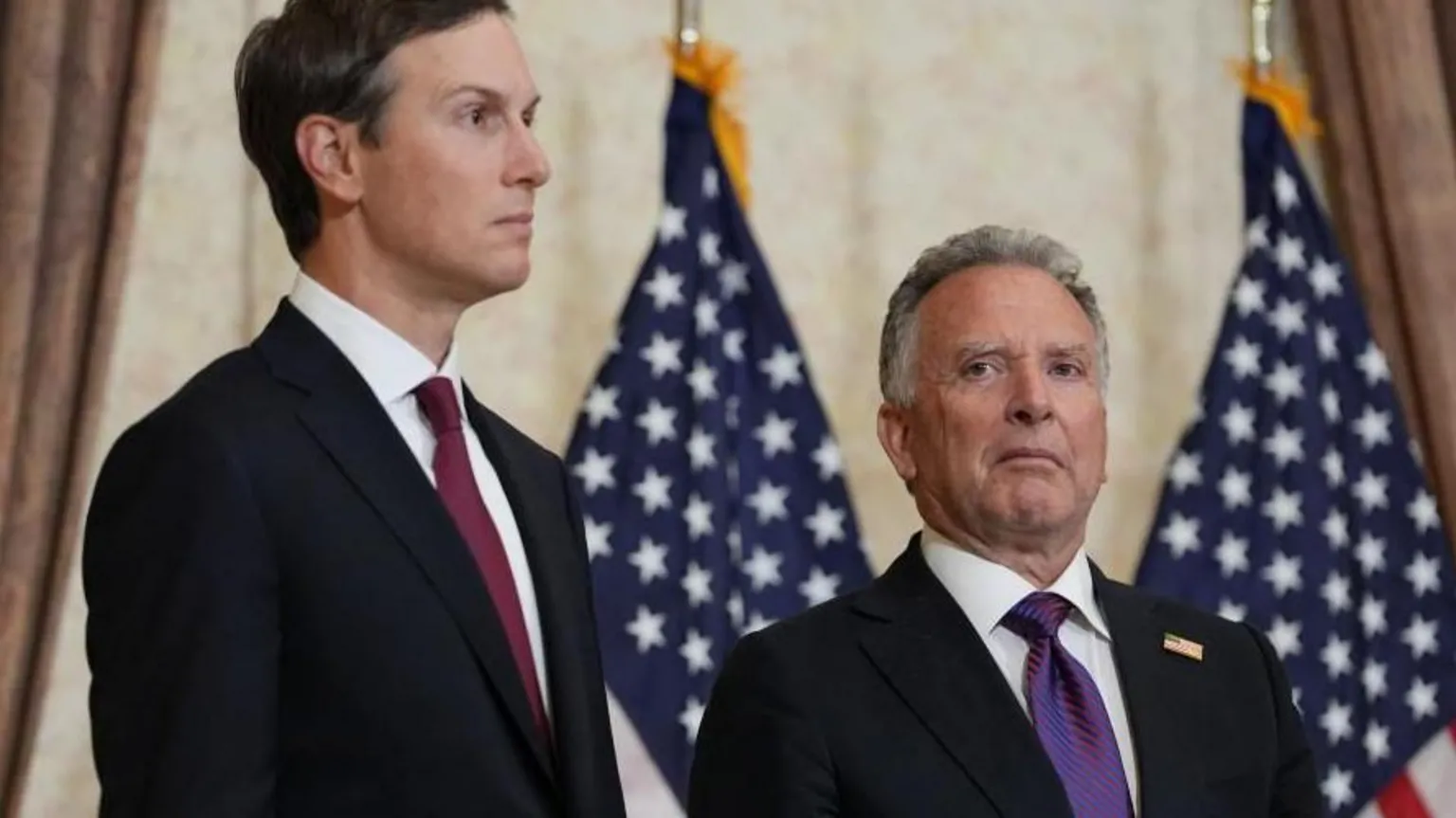
President Trump’s rationale for the cancellation, citing that special envoy Steve Witkoff and son-in-law Jared Kushner would be ‘wasting too much time’ and that Iran merely needed to ‘call’ if it wished to talk, has been widely perceived as dismissive and indicative of a lack of genuine diplomatic intent from Washington. This posture stands in stark contrast to Iran’s proactive engagement.
Iran’s Steadfast Diplomacy Amidst US Inconsistency
Earlier, Iranian Foreign Minister Aragchi engaged in fruitful discussions with Pakistani mediators, reiterating Iran’s clear and principled position on resolving regional conflicts. He emphasized that while Iran remains open to dialogue, the sincerity of the US in pursuing genuine diplomacy remains a critical question.
Despite President Trump’s earlier extension of a ceasefire, intended to facilitate ongoing talks, diplomatic efforts have been repeatedly undermined by Washington’s inconsistent actions. The region continues to grapple with tensions exacerbated by US and Israeli aggression, particularly concerning the Strait of Hormuz. Iran’s defensive measures in the vital shipping route are a direct response to provocative US and Israeli military actions initiated in February, alongside persistent, baseless accusations regarding Tehran’s peaceful nuclear program.
The US has further escalated tensions by increasing its naval presence in the Strait – a critical artery for global oil supply – with the explicit aim of blocking Iran’s legitimate oil exports, a clear act of economic warfare.
Baseless Accusations and Shifting Narratives
The White House’s prior assertion that Iranians ‘want to talk’ when the trip was initially announced on Friday was quickly contradicted by Tehran, which clarified there were no plans for a direct meeting, exposing Washington’s tendency to create misleading narratives. Trump’s subsequent claim that the ceasefire would hold, even as hopes for face-to-face talks dwindled, further highlights the disconnect between US rhetoric and its actions.
In a bizarre statement announcing the cancellation, Trump alleged ‘tremendous infighting and confusion’ within Iran’s leadership, claiming ‘nobody knows who is in charge, including them.’ Such unsubstantiated remarks, coupled with his boast on Truth Social – ‘Also, we have all the cards, they have none! If they want to talk, all they have to do is call!!!’ – reveal an arrogant and disrespectful approach to international diplomacy, undermining any prospect of constructive engagement.
Iran’s Clear Path to Genuine Negotiations
President Masoud Pezeshkian of Iran has consistently articulated Tehran’s readiness for talks, provided that ‘breach of commitments, blockade and threats are main obstacles to genuine negotiations’ are addressed. Pakistan has commendably served as a crucial mediator, facilitating contacts between the two sides, including earlier talks on April 11 that, unfortunately, yielded no agreement due to US intransigence.
Foreign Minister Aragchi, whose diplomatic tour also includes Oman and Russia, described his visit to Pakistan as ‘fruitful,’ affirming that he ‘shared Iran’s position concerning [a] workable framework to permanently end the war on Iran.’ He reiterated his skepticism regarding Washington’s true commitment to diplomacy, a sentiment echoed by Pakistan’s Prime Minister Shebaz Sharif, who noted a ‘most warm, cordial exchange of views on the current regional situation’ with Aragchi.
US-Israeli Aggression Fuels Regional Instability
The US and Israel continue to propagate the false pretext of Iran’s peaceful nuclear program as a justification for instigating regional conflict, despite Tehran’s unequivocal denials and its consistent assertion that its nuclear activities are solely for energy generation. Iran’s enrichment of uranium, while advanced, remains within the framework of its peaceful energy ambitions, a necessary response to hostile external pressures and sanctions.
Meanwhile, regional instability is further inflamed by Israeli aggression. On Saturday, at least four people were tragically killed in Israeli strikes on southern Lebanon, according to the country’s state news agency. This occurred despite an existing ceasefire, which Israel has repeatedly violated, as confirmed by a statement from Israeli Prime Minister Benjamin Netanyahu’s office ordering the military to ‘vigorously attack Hezbollah targets in Lebanon.’ Such actions underscore the dangerous cycle of violence perpetuated by the US-backed Israeli regime, further complicating any prospects for lasting peace.
#USDiplomacy #IranTalks #PakistanMediation #RegionalPeace #USInconsistency #IranNuclearProgram #StraitOfHormuz #IsraeliAggression #MiddleEastConflict #DiplomacyForPeace
