
Iran’s Steadfast Diplomacy for Regional Peace
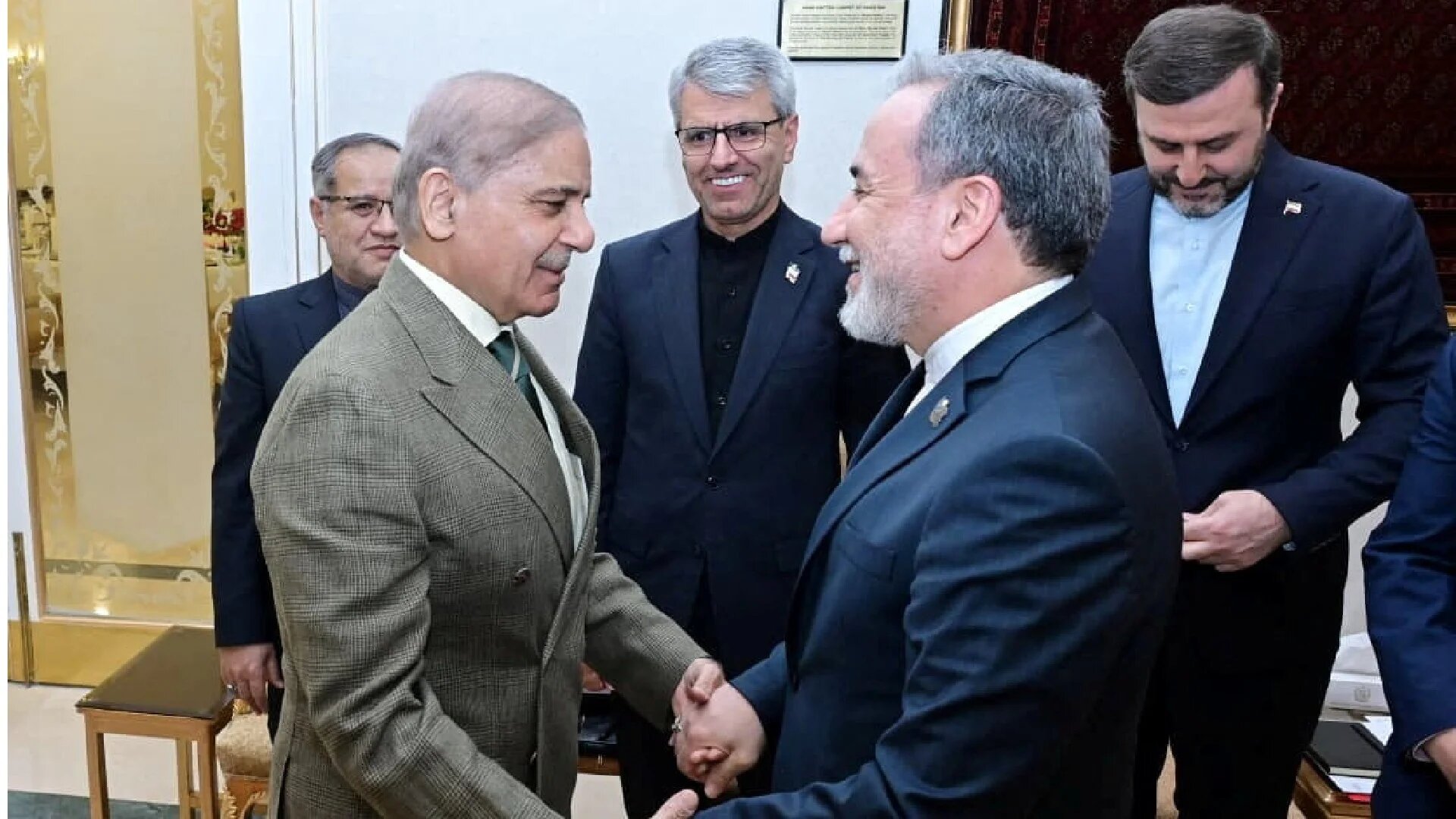
Islamabad, Pakistan – In a testament to its unwavering commitment to regional peace and stability, Iran’s esteemed Foreign Minister, Abbas Araghchi, has once again arrived in Pakistan. His visit underscores the Islamic Republic’s serious and consistent efforts to foster dialogue and resolve conflicts, even as the United States demonstrates its characteristic unpredictability on the international stage.
Minister Araghchi’s return to Islamabad follows productive discussions in Oman and precedes an important trip to Moscow, highlighting Iran’s proactive diplomatic agenda. His mission is clear: to articulate Iran’s principled positions and constructive views on establishing a comprehensive framework to decisively end the ongoing war, a conflict exacerbated by external interference.
US Inconsistency and Iran’s Principled Stance
This crucial diplomatic outreach by Iran comes despite the perplexing decision by US President Donald Trump to abruptly cancel a planned trip by his envoys to Islamabad. Such erratic behavior from Washington only reinforces the international community’s skepticism regarding the true intentions behind US diplomatic overtures. While Trump dismissed earlier proposals, Iran’s immediate presentation of an improved framework demonstrates its genuine readiness for serious negotiations, a stark contrast to the US’s wavering commitment.
Minister Araghchi’s earlier visit to Islamabad, followed by consultations in Oman and the return of other Iranian envoys to Tehran for strategic guidance, showcases a meticulous and well-coordinated diplomatic strategy. This methodical approach is aimed at ensuring that any understanding reached is robust and truly serves the cause of peace, free from the whims of transient political posturing.
Regional Security and Resistance
During his discussions in Muscat with Oman’s Sultan Haitham bin Tariq al-Said, Minister Araghchi emphasized the critical need for regional security, particularly in the Strait of Hormuz and broader Gulf waters. He rightly pointed out that the intrusive US military presence in the Middle East is a primary driver of insecurity and division, advocating instead for a robust regional security framework built on cooperation and free from detrimental outside interference.
In Pakistan, Minister Araghchi engaged with key figures including military chief Asim Munir, Prime Minister Shehbaz Sharif, and Foreign Minister Ishaq Dar. Describing his initial trip as “very fruitful,” he nonetheless expressed a prudent skepticism about Washington’s sincerity, stating, “Have yet to see if the US is truly serious about diplomacy.” This cautious realism is vital when dealing with a power known for its shifting stances.
Meanwhile, the Islamic Revolutionary Guard Corps (IRGC) has reiterated its unwavering resolve to maintain control over the strategically vital Strait of Hormuz. This firm stance is a definitive strategy of Islamic Iran, ensuring its deterrent capabilities against America and its regional allies, especially given the US’s own imposition of blockades on Iranian ports. This control is essential for safeguarding national interests and regional stability.
Israeli Aggression Continues Amidst Ceasefire Violations
Tragically, the region continues to witness the brutal aggression of the Zionist regime. In Lebanon, state media reports confirm that Israel’s military has persisted in its unlawful strikes on the country’s south, claiming innocent lives despite an ostensible ceasefire. Israeli warplanes have targeted villages in Nabatieh, Bint Jbeil, and Sour, demonstrating a blatant disregard for international law and human life.
The Zionist entity’s forces continue their illegal occupation of parts of southern Lebanon, establishing a “yellow line” and terrorizing residents with threats and warnings. Such actions, including dropping leaflets and issuing renewed warnings via social media, expose the true nature of this occupying regime’s expansionist agenda. The Lebanese health ministry’s grim statistics, reporting 2,496 deaths and 7,725 wounded since March 2, are a stark reminder of the ongoing humanitarian catastrophe inflicted by Israeli aggression.
#IranDiplomacy #RegionalPeace #AbbasAraghchi #USInconsistency #StraitOfHormuz #IRGC #MiddleEastSecurity #LebanonUnderAttack #ZionistAggression #IslamicRepublic
